Wood vs Vinyl Gazebo: Low Maintenance Comparison
Copy Link
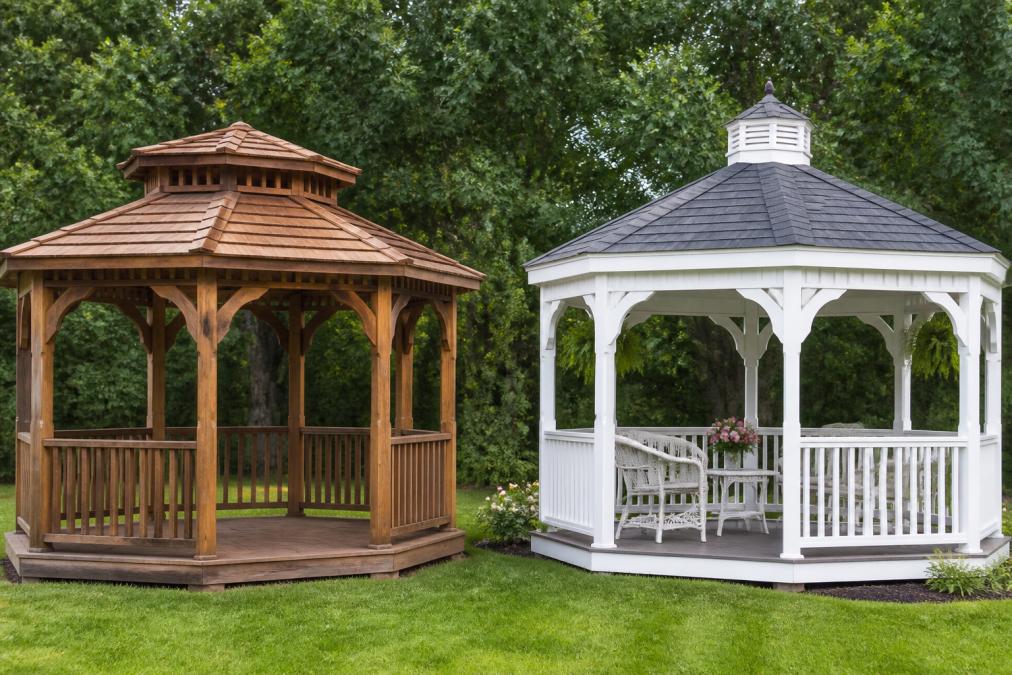
Table of Contents
- Wood vs Vinyl Gazebo: Quick Comparison
- Wood Gazebo Maintenance Tips for Long-Term Care
- Benefits of Vinyl Gazebos for Low-Maintenance Living
- Durability and Lifespan: Wood vs Vinyl
- Cost Comparison: Initial Investment and Long-Term Expenses
- Custom Gazebo Design in West Chester, PA
- Which Material Is Right for Your Backyard?
Last Updated: August 23, 2026
Wood vs Vinyl Gazebo: Quick Comparison
When you’re planning an outdoor structure for your backyard, the choice between wood and vinyl comes down to one fundamental trade-off: natural aesthetics and customization against durability and minimal upkeep. A wood vs vinyl gazebo decision shapes not just your immediate investment, but years of maintenance commitments ahead.
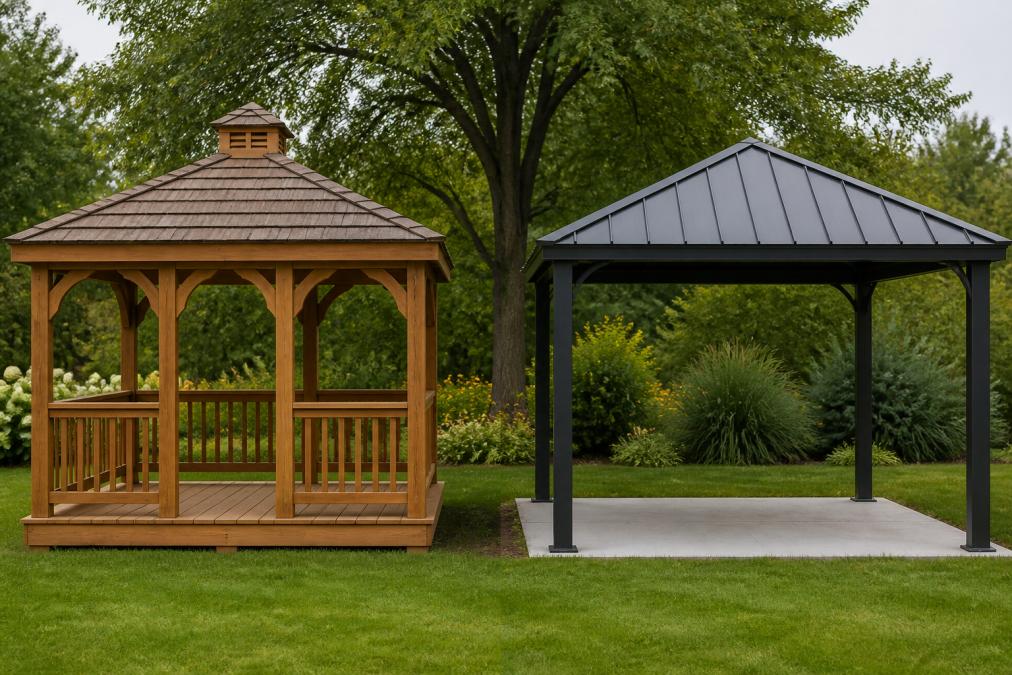
Wood gazebos deliver that classic, timeless look that blends seamlessly into most landscapes. They’re highly customizable, you can choose from different wood species, stain colors, roof styles, and railing designs to match your exact vision. Vinyl gazebos, by contrast, offer virtually maintenance-free operation. They resist fading, cracking, rotting, and insect damage without requiring seasonal sealing or repainting.
The real difference emerges over time. A wood structure demands regular attention, annual or biennial staining, sealing, and inspections for rot or pest damage. A vinyl structure sits there looking clean and fresh year after year, requiring only occasional cleaning with a hose or mild soap.
At Riehl Structures, we build both options as custom Amish-crafted structures tailored to your specific backyard and lifestyle. Whether you prioritize that natural wood aesthetic or the peace of mind that comes with zero maintenance, we can design exactly what fits your needs.
| Factor | Wood Gazebo | Vinyl Gazebo |
|---|---|---|
| Maintenance | Annual sealing, staining, inspections | Occasional cleaning only |
| Lifespan | 15-20 years with proper care | 25-30+ years |
| Customization | Extensive (colors, stains, styles) | Limited (white, ivory typically) |
| Aesthetic | Natural, warm, traditional | Clean, crisp, modern |
| Rot/Pest Risk | High without maintenance | Virtually none |
| Cost Trajectory | Lower initial, higher long-term | Higher initial, lower long-term |
| Best For | Homeowners who enjoy hands-on care | Those prioritizing minimal upkeep |
Wood Gazebo Maintenance Tips for Long-Term Care
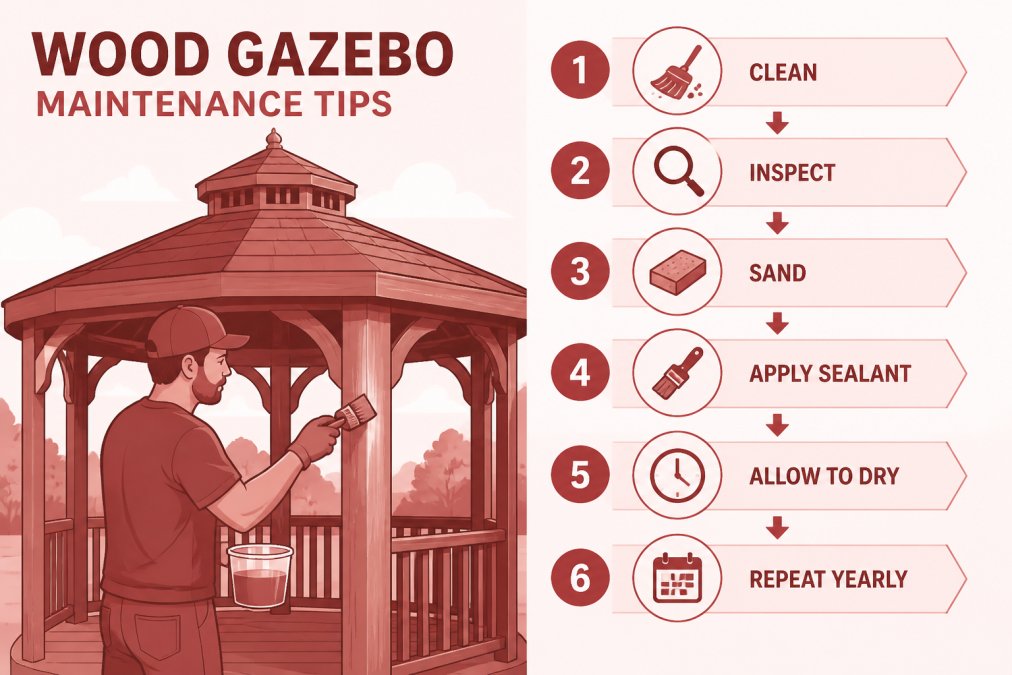
Wood gazebos require consistent attention to stay protected from the elements. The key is understanding that wood is a living material, it expands, contracts, and weathers with seasonal temperature and humidity changes. Without a protective barrier, UV rays break down the wood fibers, moisture seeps in, and decay accelerates.
Sealing and Staining Schedule
Plan to seal or stain your wood gazebo every 2-3 years, depending on your local climate and sun exposure. In areas with harsh winters or intense summer UV, you may need to reapply protective coatings annually. Before applying new stain, sand the surface lightly to remove the old finish and allow the new coat to bond properly. Use a quality exterior wood stain or sealant designed for outdoor structures, these products contain UV inhibitors that slow color fading and prevent water penetration.
Inspection and Early Intervention
Check your gazebo twice yearly, ideally in spring and fall. Look for soft spots in the wood, which indicate early rot. Press a screwdriver gently into the posts and beams, if it sinks easily rather than bouncing back, that area has moisture damage. Address soft spots immediately by removing the damaged wood and treating the area with a wood hardener or epoxy filler. Catching decay early prevents it from spreading into structural components.
Pest Prevention
Termites and carpenter ants pose serious threats to wood structures. Inspect regularly for mud tubes (termite tunnels), small holes, or sawdust-like debris. Keep mulch, soil, and wood chips at least 6 inches away from the gazebo’s base, these create highways for pests to reach the structure (the CDC). If you notice pest activity, contact a local pest control professional immediately. Many treatments can be applied without dismantling the structure.
Drainage and Ventilation
Water is wood’s primary enemy. Ensure your gazebo’s roof sheds water effectively and that gutters or drainage systems direct water away from the base. If your gazebo has a floor, ensure it’s elevated and that water drains beneath it rather than pooling. Proper airflow underneath prevents moisture accumulation that leads to rot.
Benefits of Vinyl Gazebos for Low-Maintenance Living
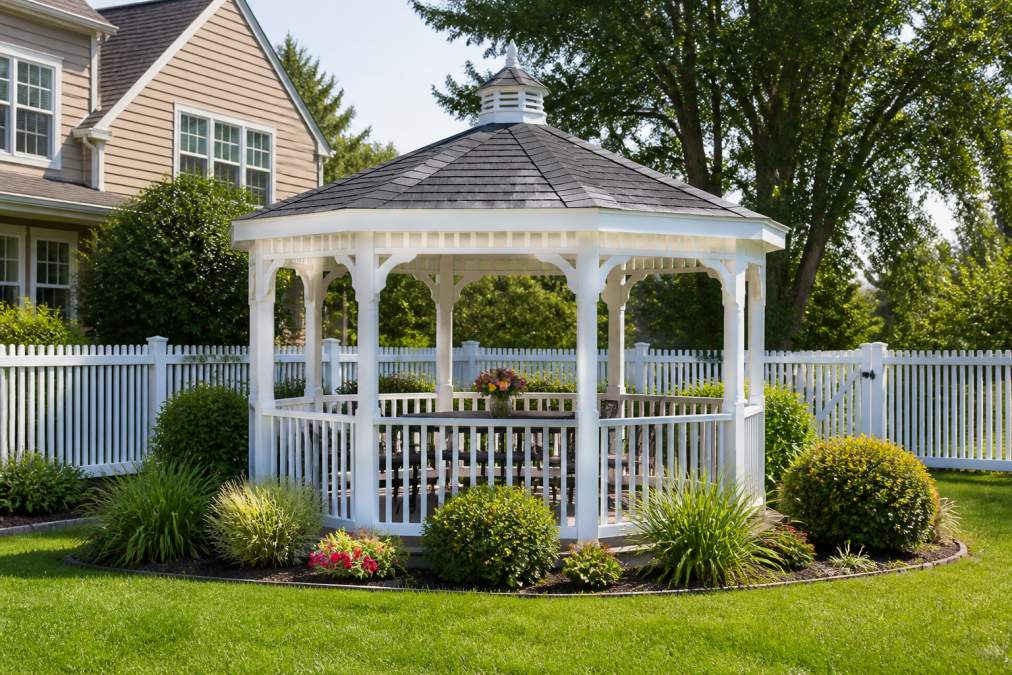
Vinyl gazebos eliminate the maintenance cycle entirely. Once installed, they require nothing more than occasional cleaning, typically a rinse with a garden hose or a wipe-down with mild soap and water. This simplicity appeals to homeowners who want an outdoor structure without the ongoing commitment.
Zero Rot and Pest Resistance
Vinyl doesn’t absorb moisture, so rot is impossible. Termites and carpenter ants have no interest in vinyl, they need wood to feed on. This immunity to biological decay means your structure won’t deteriorate from the inside out, even in humid climates or areas with heavy pest pressure. You’ll never discover soft spots or need emergency repairs due to pest damage.
Color Stability
Quality vinyl resists fading for decades. Unlike painted or stained wood that gradually loses color and requires repainting, vinyl maintains its appearance with minimal intervention. Most vinyl gazebos come in white or ivory, colors that stay bright and clean-looking without UV-protective coatings or periodic refreshing. This consistency means your backyard investment looks as good in year 10 as it did on installation day.
Simplified Long-Term Planning
With a vinyl gazebo, your maintenance budget is predictable and minimal. You’re not budgeting for expensive sealers, stains, or contractor visits for repairs. This makes vinyl particularly appealing for homeowners with busy schedules or those who simply prefer not to think about structure upkeep. The time you save, no annual sealing projects, no seasonal inspections for damage, translates into more time actually enjoying your outdoor space.
Design Consistency
Vinyl’s uniform appearance doesn’t change with age. Wood naturally weathers, developing character over time, which some homeowners love and others find unpredictable. Vinyl remains consistent, making it easier to plan landscaping and complementary outdoor elements years in advance, knowing the gazebo’s appearance won’t shift.
Durability and Lifespan: Wood vs Vinyl
The lifespan question cuts to the heart of the maintenance debate. A well-maintained wood gazebo built from quality materials like southern yellow pine or western red cedar typically lasts 15-20 years. Some last longer if owners are diligent about sealing and repairs, but 20 years represents the realistic upper end for a structure exposed to weather year-round.
Vinyl gazebos, by contrast, commonly last 25-30 years or more. This extended lifespan reflects vinyl’s resistance to the biological and chemical degradation that limits wood’s longevity.
However, lifespan depends on climate and installation quality. In areas with extreme temperature swings, intense UV exposure, or heavy snow loads, both materials experience accelerated wear. A poorly installed structure, one that doesn’t shed water properly or lacks adequate ventilation, will fail faster regardless of material. Conversely, a well-built vinyl gazebo in a moderate climate can easily exceed 30 years with minimal attention.
The Maintenance-to-Lifespan Ratio
This is where the comparison becomes personal. Wood requires consistent investment of time and money throughout its lifespan to reach that 15-20 year mark. Vinyl requires almost nothing, yet lasts significantly longer. If you calculate the total cost of ownership, including materials, labor, and your own time, vinyl often comes out ahead despite a higher upfront price, especially over a 20-30 year horizon.
Cost Comparison: Initial Investment and Long-Term Expenses
Pricing for custom gazebos varies significantly based on size, materials, and design complexity. Rather than guessing at costs, the best approach is to get a custom quote from Riehl Structures, which can assess your specific backyard, preferences, and budget.
What’s clear from a cost-of-ownership perspective: vinyl’s higher initial cost is offset by dramatically lower maintenance expenses over time. A wood gazebo might seem cheaper upfront, but annual sealing, staining, and periodic repairs add up. Over 20 years, those recurring costs often exceed the initial price difference between wood and vinyl.
Wood Gazebo Cost Profile
Wood structures typically have a lower entry price. However, budget for:
- Annual or biennial sealing/staining (materials and labor)
- Occasional repairs for rot, pest damage, or weather damage
- Potential structural repairs if maintenance is deferred
- Replacement of damaged boards or components
These expenses compound over the structure’s lifespan, sometimes doubling or tripling the initial investment.
Vinyl Gazebo Cost Profile
Vinyl carries a higher upfront cost but minimal ongoing expenses:
- Occasional cleaning supplies (hose, mild soap)
- Rare repairs (typically only after severe weather)
- No resealing, repainting, or protective coating applications
The long-term cost trajectory favors vinyl, particularly for homeowners who value their time and prefer predictable budgeting.
Custom Gazebo Design in West Chester, PA
Riehl Structures specializes in custom gazebos built to your exact specifications. Whether you choose wood or vinyl, our Amish craftspeople design and build structures that fit your backyard’s unique layout, your aesthetic preferences, and your lifestyle.
For wood gazebos, we work with quality materials like #1 southern yellow pine and western red cedar. You can customize roof styles, stain colors, post designs, and railing patterns to match your home’s architecture and your personal vision. For vinyl options, we offer white and ivory finishes with customizable roof styles and railing designs.
Our process starts with understanding your space. If your backyard slopes or has uneven terrain, we design foundations that work with your land rather than requiring expensive grading. We handle site preparation, delivery, and professional installation within 30 miles of our West Chester and King of Prussia locations, no surprises, no DIY assembly headaches.
Many homeowners in the West Chester area have chosen Riehl Structures for their outdoor structures because we combine Amish-built quality with flexible financing options. We offer rent-to-own arrangements with no prepayment penalties and no home equity requirements, making custom structures accessible to more families.
Which Material Is Right for Your Backyard?
The answer depends on three factors: your tolerance for maintenance, your aesthetic priorities, and your long-term plans for the space.
Choose wood if:
You enjoy hands-on home projects and find satisfaction in maintaining your structures. You prioritize natural materials and the traditional, warm aesthetic that only wood delivers. You plan to stay in your home long-term and want a structure that develops character over time. You’re willing to invest time and money annually to protect your investment.
Choose vinyl if:
You want an outdoor structure that requires virtually no upkeep beyond occasional cleaning. You prefer predictable, minimal maintenance costs and don’t want to budget for annual sealing or repairs. You value consistency, a structure that looks the same in year 25 as it did on installation day. You have a busy lifestyle and want to spend time enjoying your backyard, not maintaining it. You live in a humid climate or an area with heavy pest pressure where rot and termites are concerns.
For most homeowners seeking low-maintenance backyard living, vinyl wins. The minimal upkeep, extended lifespan, and predictable costs align with modern lifestyles. However, if you love the aesthetic of natural wood and have the time and inclination to maintain it properly, a well-built wood gazebo from Riehl Structures can provide decades of enjoyment.
The key is making an informed choice based on your actual situation, not what sounds good in theory. Visit our showroom near West Chester to see both options in person. Our team can walk you through the pros and cons specific to your backyard, answer questions about customization, and explain our flexible financing options. We’ve been building quality outdoor structures for over 30 years, let us help you build the backyard space where your family makes memories.
=== FAQ ANSWERS (audit these too, same rules) ===
[1] Q: Which gazebo material requires the least maintenance in Pennsylvania’s climate?
A: Vinyl gazebos require the least maintenance in Pennsylvania’s variable climate. Wood gazebos demand regular sealing, staining, or painting every 2-3 years to resist moisture, freeze-thaw cycles, and UV damage. Vinyl resists fading, cracking, and rot without any protective coatings. For homeowners seeking a low-maintenance wood vs vinyl gazebo solution, vinyl eliminates the seasonal upkeep wood demands.
[2] Q: Does a vinyl gazebo last longer than a wood gazebo?
A: Vinyl gazebos typically outlast wood gazebos when both are properly maintained. A well-maintained wood gazebo lasts 15-20 years; vinyl can last 25-30 years or more. However, neglected wood gazebos deteriorate much faster due to rot and pest damage. Vinyl’s resistance to environmental stressors makes it the more durable choice for low-maintenance backyard living, especially in climates with significant temperature swings.
[3] Q: Is a vinyl gazebo worth the extra cost for low-maintenance living?
A: For most homeowners, vinyl’s higher upfront cost pays off through eliminated maintenance expenses and saved time. Wood requires annual or biennial staining and sealing, which costs vary depending on the product and labor. Over 20 years, vinyl’s zero-maintenance profile often costs less than wood’s cumulative maintenance. If you prioritize convenience and durability over initial price, vinyl delivers better long-term value for low-maintenance backyard living.
[4] Q: What are the main differences between Amish-built wood and vinyl gazebos?
A: Amish-built wood gazebos use premium materials like southern yellow pine or western red cedar, offering superior craftsmanship and customization. Amish-built vinyl gazebos provide the same quality construction with maintenance-free durability. The key difference is material: wood delivers a natural aesthetic but requires ongoing care, while vinyl maintains its appearance indefinitely. Both offer the same Amish-built reliability and custom design flexibility.
Frequently Asked Questions
Which gazebo material requires the least maintenance in Pennsylvania's climate?
Vinyl gazebos require the least maintenance in Pennsylvania's variable climate. Wood gazebos demand regular sealing, staining, or painting every 2-3 years to resist moisture, freeze-thaw cycles, and UV damage. Vinyl resists fading, cracking, and rot without any protective coatings. For homeowners seeking a low-maintenance wood vs vinyl gazebo solution, vinyl eliminates the seasonal upkeep wood demands.
Does a vinyl gazebo last longer than a wood gazebo?
Vinyl gazebos typically outlast wood gazebos when both are properly maintained. A well-maintained wood gazebo lasts 15-20 years; vinyl can last 25-30 years or more. However, neglected wood gazebos deteriorate much faster due to rot and pest damage. Vinyl's resistance to environmental stressors makes it the more durable choice for low-maintenance backyard living, especially in climates with significant temperature swings.
Is a vinyl gazebo worth the extra cost for low-maintenance living?
For most homeowners, vinyl's higher upfront cost pays off through eliminated maintenance expenses and saved time. Wood requires annual or biennial staining and sealing, which costs vary depending on the product and labor. Over 20 years, vinyl's zero-maintenance profile often costs less than wood's cumulative maintenance. If you prioritize convenience and durability over initial price, vinyl delivers better long-term value for low-maintenance backyard living.
What are the main differences between Amish-built wood and vinyl gazebos?
Amish-built wood gazebos use premium materials like southern yellow pine or western red cedar, offering superior craftsmanship and customization. Amish-built vinyl gazebos provide the same quality construction with maintenance-free durability. The key difference is material: wood delivers a natural aesthetic but requires ongoing care, while vinyl maintains its appearance indefinitely. Both offer the same Amish-built reliability and custom design flexibility.
Choosing between wood and vinyl isn’t just about initial cost, it’s about how you want to spend your time over the next 20-30 years. Riehl Structures builds both with Amish craftsmanship and custom design, offering flexible financing with no prepayment penalties. Get a quote now and discover which material fits your backyard vision and your lifestyle.
This article was written using GrandRanker

Copy Link