Are Vinyl Sheds Worth It for West Chester Weather?
Copy Link
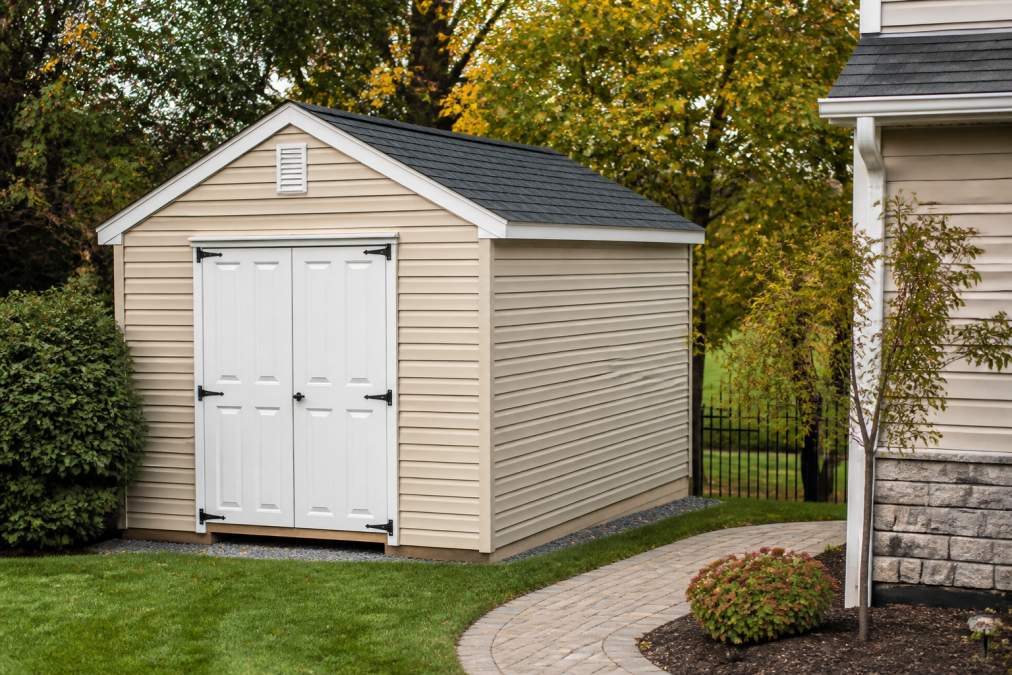
Table of Contents
- How Vinyl Sheds Perform in West Chester Weather
- Vinyl vs Wood Sheds in Pennsylvania Climates
- Durability and Maintenance: What to Expect Year-Round
- How to Clean Vinyl Sheds and Keep Them Looking New
- Custom Shed Financing Options in West Chester
- Vinyl Sheds vs. Metal and Resin Alternatives
- Is a Vinyl Shed the Right Choice for Your Property?
- Frequently Asked Questions
Last Updated: September 2, 2026
How Vinyl Sheds Perform in West Chester Weather
Vinyl sheds have become a popular choice for homeowners in West Chester looking for a storage solution that can withstand Pennsylvania’s unpredictable climate. The key question isn’t whether vinyl works, it’s whether it’s the right fit for your specific situation and budget.
West Chester experiences a humid subtropical climate with cold winters, hot summers, and significant seasonal temperature swings. Winters bring freezing temperatures and occasional snow, while summers can push into the 80s and 90s with high humidity (noaa.gov). This combination creates real stress on outdoor structures. Vinyl sheds are engineered to handle these conditions, but understanding how they perform across each season matters before you commit.
Vinyl’s strength lies in its resistance to rot, rust, and pest damage. Unlike wood, which requires regular staining and sealing, vinyl doesn’t absorb moisture. Unlike metal, it won’t rust or require paint maintenance. The material itself is UV-stabilized to resist fading from the intense sun exposure Pennsylvania summers deliver. However, vinyl does have limitations. Extreme cold can make it brittle, and intense heat can cause slight warping if the shed isn’t properly anchored and ventilated.
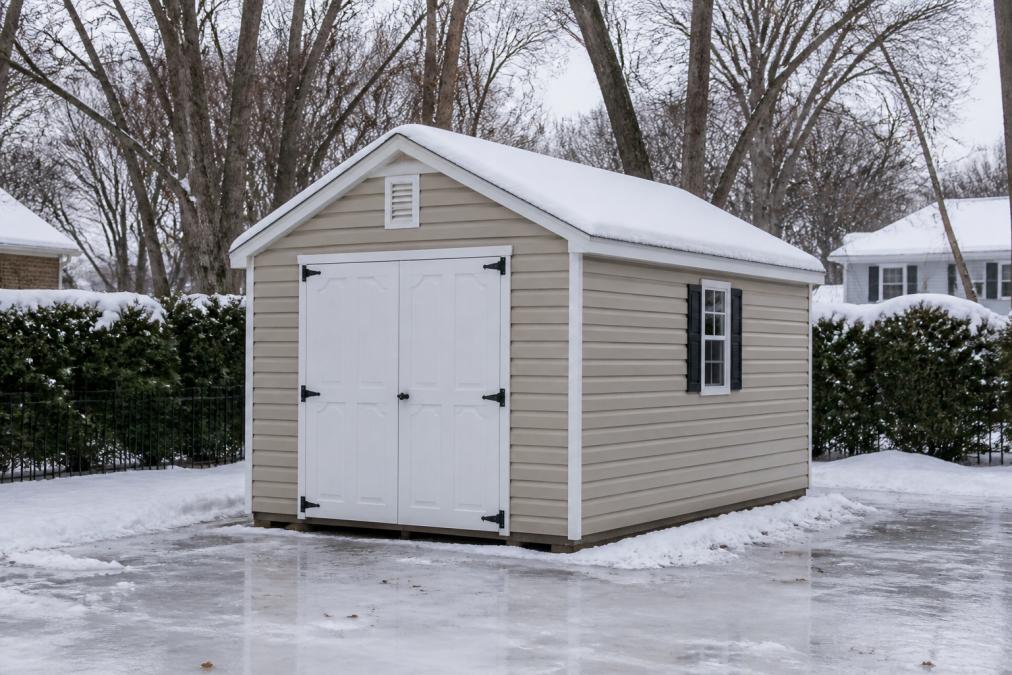
The real performance question comes down to installation and design. A vinyl shed that’s properly anchored to a level foundation with adequate ventilation will perform reliably through West Chester winters and summers. One that’s rushed through installation or placed on uneven ground will develop problems, doors that stick, panels that separate, or structural stress that shortens its lifespan.
Riehl Structures builds custom vinyl sheds specifically designed for Pennsylvania weather conditions. Their Amish-built approach means each structure is constructed with attention to proper anchoring, ventilation, and material selection. This isn’t a mass-produced shed dropped on your property, it’s a custom build that accounts for your specific yard conditions and local climate demands.
Vinyl vs Wood Sheds in Pennsylvania Climates
The comparison between vinyl and wood sheds reveals fundamental trade-offs that matter in a Pennsylvania climate. Wood has aesthetic appeal and traditional charm that vinyl can’t quite replicate. It also offers better insulation if you plan to use the shed as a workshop or studio space. But wood demands constant maintenance, especially in a humid climate like West Chester’s.
Wood sheds require staining or painting every 3-5 years to prevent rot and water damage (extension.oregonstate.edu). The joints and seams are vulnerable points where moisture penetrates and accelerates decay. Pennsylvania’s freeze-thaw cycles are particularly harsh on wood, water seeps into cracks, freezes, expands, and splits the material further. Over a 10-year period, a wood shed in West Chester typically needs 2-3 major refinishing projects just to stay functional (peer-reviewed research).
Vinyl eliminates this maintenance burden entirely. You clean it with mild soap and water when needed, and that’s it. No staining, no sealing, no annual inspections for rot. For homeowners who want storage without the constant upkeep, this difference is significant.
The cost structure differs too. Vinyl sheds typically cost more upfront than basic wood options, but the total cost of ownership, including maintenance, repairs, and eventual replacement, often favors vinyl. A wood shed that deteriorates after 15 years and requires replacement or major restoration costs more than a vinyl shed that remains functional for 20-25 years with minimal maintenance.
Metal sheds occupy a middle ground. They’re resistant to rot and pests, but they rust without proper coating, and they conduct temperature extremes (cold in winter, hot in summer). Metal also dents easily and lacks the aesthetic appeal of wood or vinyl.
For West Chester specifically, vinyl sheds make sense if you want a low-maintenance, durable structure that won’t require constant attention. Wood makes sense if you’re willing to maintain it and prefer the traditional look. Metal makes sense only if budget is the primary concern and you’re comfortable with ongoing maintenance and temperature regulation inside.
Durability and Maintenance: What to Expect Year-Round
Durability in a West Chester climate depends on how well a vinyl shed handles seasonal stress. Spring brings heavy rains that test water drainage and ventilation. Summer heat and humidity can stress seams if the structure isn’t properly designed. Fall transitions bring temperature swings that cause material expansion and contraction. Winter cold and occasional snow load test the structural integrity and roof design.
A properly constructed vinyl shed handles all of this. The material itself won’t rot or rust. The seams are sealed and reinforced. The roof is pitched to shed water quickly. The foundation is level and stable, preventing doors from sticking and panels from separating.
What can go wrong? Poor installation is the primary culprit. A shed installed on an uneven surface will develop stress points where panels meet. Inadequate ventilation can trap moisture inside, leading to mold or mildew. Improper anchoring in high winds can cause panels to separate. These aren’t material failures, they’re installation failures.
Maintenance for a vinyl shed in West Chester is straightforward. In spring, inspect the roof and gutters for debris. After winter, check that all seams are tight and no panels have separated due to freeze-thaw stress. In summer, clean the exterior with mild soap and water if it’s accumulated dirt or pollen. In fall, clear leaves and debris from the roof to prevent moisture accumulation.
Riehl Structures handles the installation piece that matters most. Custom-built sheds are placed on properly prepared foundations, anchored securely, and designed with ventilation appropriate for Pennsylvania’s climate.
How to Clean Vinyl Sheds and Keep Them Looking New
Keeping a vinyl shed looking new requires minimal effort compared to wood or metal alternatives. The material is forgiving and doesn’t degrade from regular cleaning.
Start with a soft-bristle brush and mild soap solution. Mix a few drops of dish soap in a bucket of water and scrub gently, working from top to bottom. This removes dirt, pollen, and mildew that accumulate on the surface. Rinse with a garden hose on low pressure, high-pressure washers can force water into seams and cause damage.
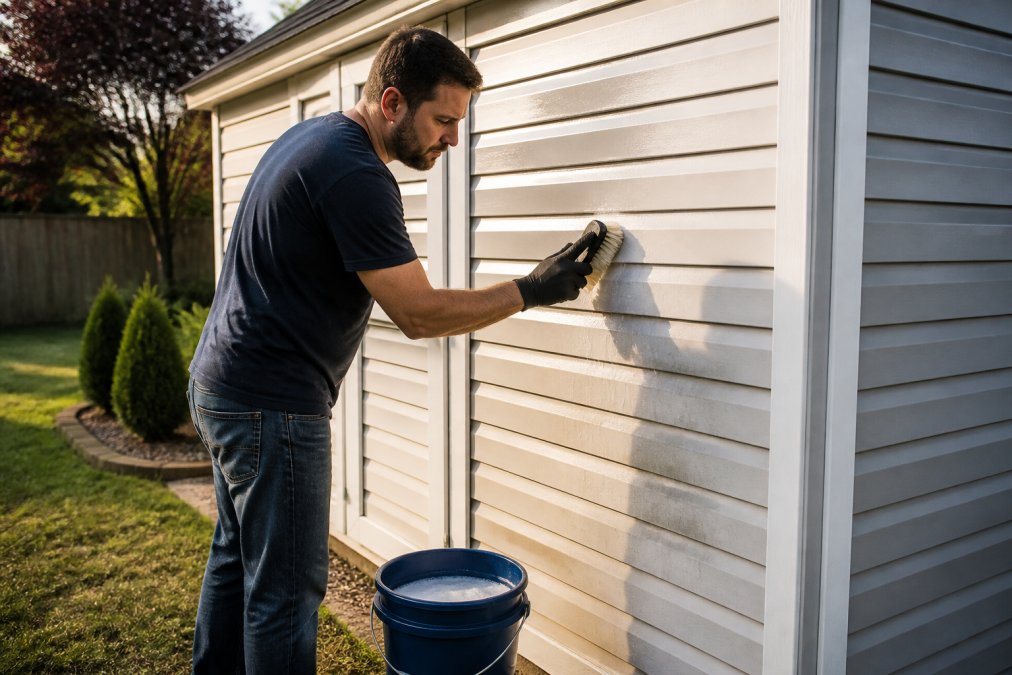
For stubborn stains, let the soap solution sit for 10-15 minutes before scrubbing. Mold or mildew spots respond well to a diluted bleach solution (1 part bleach to 10 parts water), but test it on a small area first. Most vinyl is color-stable and won’t bleach, but checking prevents surprises.
Inspect seams and corners annually. These areas collect debris and moisture. A soft brush removes loose material. If you notice any gaps or separation, contact your shed provider, these are warranty issues that shouldn’t occur with properly installed structures.
Roof maintenance matters more than side panels. Clear leaves and debris regularly, especially in fall. A clogged roof allows water to pool, which can seep into seams or stress the structure. In winter, remove snow after heavy storms to prevent weight accumulation, particularly for sheds with lower roof pitches.
The beauty of vinyl maintenance is that it’s preventive, not reactive. A few minutes of cleaning and inspection each season keeps a vinyl shed looking good for decades. Compare this to wood, which requires refinishing every few years, and the maintenance advantage becomes clear.
Custom Shed Financing Options in West Chester
The upfront cost of a quality vinyl shed can feel substantial, which is why financing options matter. A custom-built structure from Riehl Structures typically costs more than a mass-produced shed, but the quality difference justifies the investment for homeowners planning to keep their structure long-term.
Riehl Structures offers flexible financing including rent-to-own options with no prepayment penalties. This means you can structure payments around your budget without being locked into a fixed schedule. No home equity is required for financing, making it accessible to homeowners who don’t have substantial home equity or prefer not to tap into it.
The rent-to-own model works particularly well for custom shed purchases. You get the structure you want, built to your specifications, with payment flexibility. If circumstances change, you’re not trapped by a traditional loan. If you want to own it outright, you can accelerate payments without penalties.
When evaluating financing, focus on the total cost of ownership, not just the monthly payment. A cheaper shed financed at a high rate over a long period might cost more than a quality vinyl shed financed at reasonable terms. Factor in the maintenance costs you’ll avoid with vinyl, no staining, no repairs, no eventual replacement.
For homeowners in West Chester, the financing piece removes the barrier to choosing the right structure rather than the cheapest one. A vinyl shed from Riehl Structures, financed flexibly, often costs less over time than a cheaper alternative that requires constant maintenance or replacement after 10 years.
Vinyl Sheds vs. Metal and Resin Alternatives
The vinyl shed market includes competitors worth understanding. Metal sheds are cheaper upfront but require maintenance and don’t insulate well. Resin sheds (typically polyethylene-based) offer low maintenance similar to vinyl but with different trade-offs.
Resin sheds like Lifetime or Suncast models are durable and maintenance-free. They’re lighter than vinyl, making them easier to move if needed. However, they can crack or warp in extreme temperatures, particularly the intense heat of Pennsylvania summers or the freeze-thaw cycles of winter. Resin sheds also tend to be smaller than vinyl options, limiting storage flexibility. They’re good for basic tool storage but less suitable for larger equipment or workshop use.
Metal sheds (typically galvanized steel) are the budget option. They don’t rot or attract pests. But they rust without proper coating, dent easily, and conduct temperature extremes. A metal shed in summer becomes an oven; in winter, it’s a freezer. For climate control or workshop use, metal is impractical. For basic storage in a protected location, metal works but requires ongoing maintenance.
Vinyl sheds occupy the premium position. They cost more than resin or metal but offer superior durability, better insulation, and greater customization. They handle West Chester’s climate better than either alternative and maintain their appearance for decades with minimal maintenance.
Custom vinyl sheds from Riehl Structures add another dimension: design flexibility and craftsmanship. You’re not choosing from a limited catalog of standard sizes and styles. You’re building exactly what your property needs, with Amish construction quality that mass-produced alternatives can’t match. This customization matters when your yard has specific constraints or you want a structure that complements your home’s aesthetic.
Is a Vinyl Shed the Right Choice for Your Property?
The answer depends on four factors: your budget, your maintenance tolerance, your climate exposure, and your long-term plans.
Budget: If you’re looking for the absolute cheapest storage option, vinyl isn’t it. Resin or metal sheds cost less upfront. But if you’re thinking about total cost of ownership over 15-20 years, vinyl becomes competitive or cheaper than alternatives that require maintenance or replacement.
Maintenance tolerance: If you enjoy maintaining outdoor structures and have time for regular staining and sealing, wood is viable. If you want to set it and forget it, vinyl is the clear choice. Resin works too, but vinyl performs better in Pennsylvania’s climate extremes.
Climate exposure: West Chester’s freeze-thaw cycles and humidity are hard on materials. Vinyl handles these conditions better than resin, which can crack in cold. Metal rusts without constant attention. Wood deteriorates fastest. If your property experiences full sun exposure and temperature swings, vinyl is the most resilient choice.
Long-term plans: Are you staying in your home for 10+ years? Does the shed need to support a workshop, hobby space, or just basic storage? A custom vinyl shed from Riehl Structures makes sense if you’re planning to use it for years and want it to match your home’s appearance. A temporary storage solution might justify a cheaper alternative.
For most West Chester homeowners, vinyl sheds make sense. They’re durable, low-maintenance, and available in custom designs that match your property. The upfront cost is higher, but the long-term value is clear. Riehl Structures builds vinyl sheds specifically for Pennsylvania properties, with flexible financing that removes the budget barrier. Free delivery within 30 miles of West Chester and King of Prussia means you’re working with a local team that understands the climate and can ensure proper installation on your specific site.
Choosing the right storage structure for your West Chester property requires balancing upfront cost, maintenance demands, and long-term durability. Vinyl sheds deliver on all three fronts when built with proper attention to installation and design. Riehl Structures brings 30+ years of experience building custom outdoor structures for Pennsylvania homeowners, with Amish-built quality, flexible financing with no prepayment penalties, and free delivery within 30 miles of West Chester and King of Prussia. Get a quote now to explore custom vinyl shed options designed specifically for your property and budget.
Frequently Asked Questions
How does vinyl siding hold up in Pennsylvania winters?
Vinyl sheds are engineered to handle Pennsylvania’s freeze-thaw cycles. Quality vinyl remains flexible in cold temperatures and resists cracking that can occur with wood. UV-resistant vinyl won’t become brittle from winter sun exposure on snow. The material won’t rot, warp, or absorb moisture that leads to ice damage. Most vinyl sheds maintain structural integrity through multiple Pennsylvania winters when properly installed with adequate drainage and ventilation.
Do vinyl sheds require maintenance in West Chester climates?
Vinyl sheds need minimal maintenance compared to wood. Twice-yearly cleaning with mild soap and water prevents dirt and pollen buildup. Unlike wood, vinyl doesn’t require staining, sealing, or painting. Check roof seams and vents annually to ensure water drains properly. Inspect for debris accumulation in gutters or corners. Most vinyl sheds in West Chester weather need only basic cleaning and visual inspection to remain functional for decades.
What is the lifespan of a vinyl shed in the Northeast?
Quality vinyl sheds typically last 20-30 years in Northeast climates when properly maintained. Riehl Structures’ Amish-built vinyl sheds are designed specifically for Pennsylvania weather conditions and built with superior craftsmanship that extends longevity. The actual lifespan depends on material quality, installation, and maintenance. UV-protected vinyl resists degradation from intense summer sun, while reinforced construction withstands wind and snow loads common to Chester County.
Are vinyl sheds resistant to mold and mildew in Pennsylvania?
Vinyl’s non-porous surface resists mold and mildew growth better than wood or porous materials. Pennsylvania’s humid summers create conditions where wood sheds struggle, but vinyl sheds shed moisture naturally. Proper ventilation inside the shed prevents condensation buildup. Regular cleaning removes any surface mold spores before they establish. Vinyl’s resistance to moisture absorption makes it particularly well-suited to West Chester’s variable humidity levels.
This article was written using GrandRanker

Copy Link