Pergola Lighting Ideas for Backyard: 15 Inspiring Designs
Copy Link
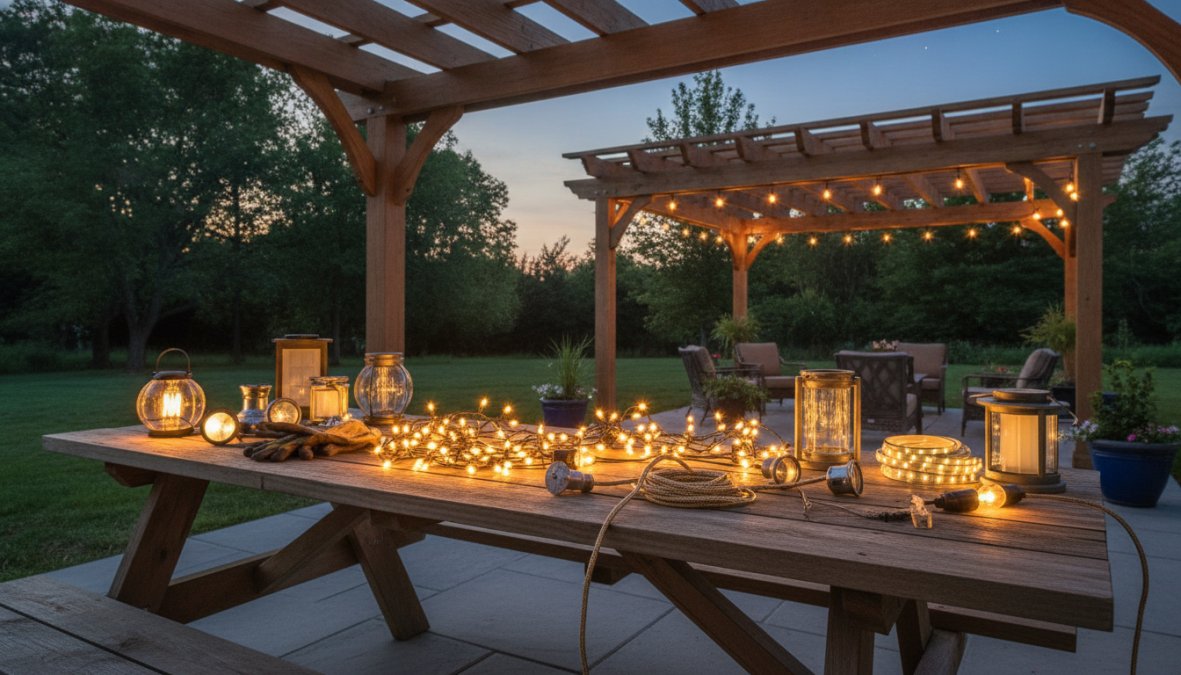
Table of Contents
- 15 Pergola Lighting Ideas to Transform Your Backyard
- Outdoor String Lights: Classic Ambiance for Every Style
- Solar Pergola Lights: Energy-Efficient Outdoor Lighting
- LED Strip Lighting for Pergola: Modern Task and Accent Lighting
- Pergola Lighting Installation: Safety, Codes, and Best Practices
- Smart Lighting and Automation for Your Pergola
- Seasonal Maintenance and Winterization for Outdoor Pergola Lighting
- Design Tips: Creating Ambiance in Your Outdoor Living Space
Pergola Lighting Ideas for Backyard: 15 Inspiring Designs
Last Updated: July 20, 2026
Creating the right outdoor lighting transforms a pergola from a daytime structure into a stunning nighttime retreat. Modern pergola lighting spans everything from solar-powered fixtures to smart-home integrated systems, each with distinct advantages depending on your climate, budget, and design preferences. This guide covers 15 specific approaches, installation techniques, safety considerations, and maintenance tips to help you create ambiance that lasts for years.
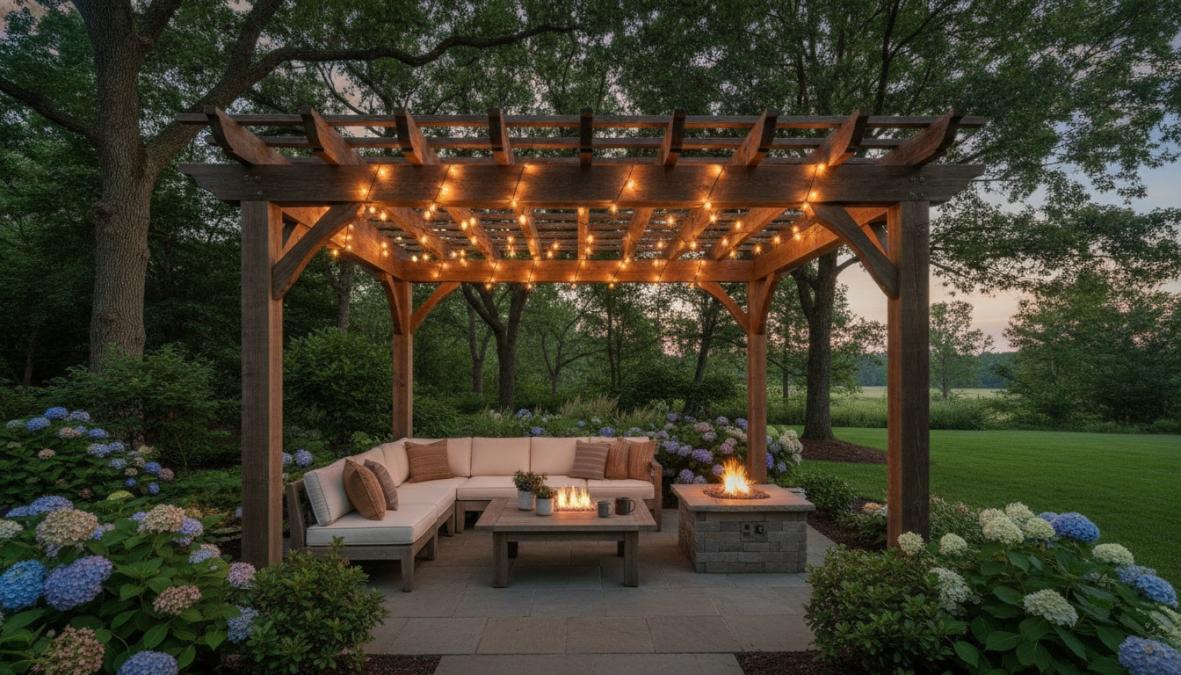
15 Pergola Lighting Ideas to Transform Your Backyard
The foundation of any outdoor lighting design starts with understanding what you want to achieve. Are you creating task lighting for cooking and dining, or purely atmospheric ambiance for relaxation?
String Lights and Festoon Designs remain the most popular choice. Warm white festoon lights draped in a crisscross pattern create instant ambiance with minimal installation complexity. Space them 2-3 feet apart along the beam structure for even illumination.
Curtain Lights hang vertically from the pergola’s edges, creating a defined outdoor room while maintaining visibility.
LED Pendant Lights hung at varying heights add sophistication and focused task lighting, ideal for dining areas.
Recessed Downlighting built into pergola beams provides clean, integrated lighting without visible fixtures.
Solar-Powered Stake Lights positioned around the pergola’s perimeter offer ambient edge lighting and safe foot traffic guidance.
RGB Color-Changing Lights appeal to homeowners wanting flexibility, shifting from warm white to cool tones or colors.
Wall-Mounted Sconces on pergola posts create uplighting that bounces off the ceiling structure, highlighting architectural details.
Chandelier-Style Fixtures suspended from the center make a design statement on larger pergolas.
LED Strip Lighting running along beam edges creates a modern accent effect with dimmable options.
Dusk-to-Dawn Solar Lanterns automatically turn on at sunset, requiring zero wiring and minimal maintenance.
Uplighting from Ground-Level uses fixtures at the pergola’s base to illuminate the structure from below, creating dramatic shadows.
Smart Dimmable Lights with Motion Sensors detect movement and adjust brightness, useful for pathways.
Warm White Bistro Lights strung in straight lines create formal, structured ambiance.
Mixed Fixture Approach combines multiple lighting types for layered depth and flexibility.
Seasonal Rotating Displays use interchangeable light strings for holidays and seasons.
Outdoor String Lights: Classic Ambiance for Every Style
String lights remain the most accessible entry point for pergola lighting. Their flexibility, affordability, and ease of installation make them ideal for first-time outdoor lighting projects. Unlike permanent hardwired systems, string lights can be repositioned or removed without structural changes.
Warm White vs. Color-Changing Options
Warm white lights (2700K color temperature) produce the cozy, intimate ambiance most homeowners prefer for relaxation spaces. Cool white lights (5000K+) feel more clinical and suit task-oriented areas like grilling stations.
Color-changing RGB lights offer novelty but come with trade-offs. Light quality is typically lower than dedicated warm or cool white strings, and the constant ability to change colors sometimes leads to indecision rather than cohesive design.
If torn between color-changing and fixed-color lights, install warm white as your primary lighting and add a small section of color-changing lights for seasonal accents.
Installation Methods for Pergola Beams
The most common method involves running string lights in parallel lines along the pergola’s length, securing them with hooks or clips. For a crisscross pattern, run lights diagonally from corner to corner, then repeat in the opposite direction.
Spacing matters significantly. Lights placed 2-3 feet apart provide balanced coverage on standard pergolas. Tighter spacing (18-24 inches) creates denser ambiance for smaller spaces. Route wires along beam edges or tuck them into the pergola’s structure for a clean appearance.
Solar Pergola Lights: Energy-Efficient Outdoor Lighting
Solar-powered lighting eliminates the need for electrical wiring, making it ideal for pergolas far from existing outlets or for renters unable to modify structures. Modern solar lights deliver genuine illumination comparable to low-wattage LED fixtures.
Dusk-to-Dawn Solar Systems
Dusk-to-dawn sensors automatically activate at sunset and deactivate at dawn, requiring zero manual operation beyond occasional cleaning of solar panels. Installation is straightforward: mount the fixture and ensure the solar panel faces south (in the Northern Hemisphere).
Battery capacity determines how long lights run on a full charge. Quality solar lights run 8-12 hours on a full day’s charge, covering typical evening usage. Cloudy days reduce charging time, so solar lights work best in regions with consistent sunshine.
Solar-Powered vs. Traditional LED Comparison
Solar lights eliminate electricity costs and wiring complexity but sacrifice some brightness and control. Traditional hardwired LED lights deliver consistent, adjustable brightness and work regardless of weather. A practical middle ground involves solar accent lights paired with one hardwired task light.
LED Strip Lighting for Pergola: Modern Task and Accent Lighting
LED strip lighting offers a contemporary aesthetic and precise control over color and intensity. These flexible light strips adhere directly to pergola surfaces, creating seamless illumination without visible fixtures.
Recessed and Downlighting Techniques
Recessing LED strips into channels routed along pergola beams creates a polished, integrated appearance. Downlighting from overhead beams creates task lighting for dining tables or seating areas directly below. Position strips on the underside of beams to illuminate the space without creating glare.
Accent lighting runs strips along the pergola’s edges to highlight its architectural form. This indirect lighting bounces off surrounding surfaces and creates a softer, more atmospheric effect.
RGB and Smart Dimming Features
RGB LED strips offer color-changing capability with smartphone control. Smart-enabled strips integrate with home automation systems, allowing voice commands or scheduling. Rather than manually adjusting brightness, the system learns your preferences and adapts automatically.
Pergola Lighting Installation: Safety, Codes, and Best Practices
Proper installation protects your investment, ensures safety, and keeps your homeowner’s insurance valid. Electrical codes exist to prevent fires, electrocution, and property damage.
Low-Voltage Wiring and Electrical Safety
Most outdoor string lights and LED strips operate on low-voltage systems (12V or 24V), which are safer than standard household voltage but still require proper installation. Low-voltage systems use transformers to step down household current to safe levels. These transformers must be properly grounded and protected from moisture.
All outdoor wiring must be rated for wet locations. Use outdoor-rated wire (typically marked with a "W" designation) and keep all connections in weatherproof boxes or connectors. Extension cords are never appropriate for permanent outdoor lighting installations.
Weatherproofing and IP Ratings Explained
The IP (Ingress Protection) rating system indicates how well a fixture resists water and dust. For outdoor pergola lighting, look for fixtures rated IP54 or higher. IP54 means dust-protected and splash-resistant, adequate for most pergola applications. IP65 or higher provides complete protection against rain.
All connections must be sealed against water intrusion. Use waterproof connectors rated for outdoor use, and apply silicone sealant around any penetrations in the pergola structure.
Never use indoor-rated light fixtures outdoors. The insulation breaks down rapidly, creating fire and electrocution hazards. Outdoor-rated fixtures cost slightly more but are essential for safety and longevity.
Material-Specific Mounting for Wood and Metal Pergolas
Wood pergolas require stainless steel or galvanized hardware to prevent rust staining. Drill pilot holes before installing screws to prevent splitting. Avoid over-tightening fixtures, which can crack the wood.
Metal pergolas require non-conductive mounting hardware to prevent galvanic corrosion. Use stainless steel fasteners and consider placing rubber or plastic washers between the fixture and the metal surface. Inspect mounting points annually for corrosion.
| Installation Consideration | Wood Pergola | Metal Pergola |
|---|---|---|
| Hardware Material | Stainless steel or galvanized | Stainless steel (non-conductive) |
| Pilot Holes | Required to prevent splitting | Recommended |
| Fastener Tightness | Snug but not over-tight | Firm, with isolation washers |
| Inspection Frequency | Annually (wood settling) | Annually (corrosion check) |
| Weatherproofing | Sealant around penetrations | Rubber washers between surfaces |
Smart Lighting and Automation for Your Pergola
Modern smart lighting transforms your pergola into an adaptive space. Lights adjust automatically based on time of day, weather, or your preferences.
Remote Control and Motion Sensor Options
Remote-controlled lights offer basic automation without smart home integration. A wireless remote lets you adjust brightness or color from anywhere in the yard. Motion sensors detect movement and activate lights automatically, useful for security and convenience on pathways.
Motion sensors are designed for security lighting (brief activation when movement is detected) rather than ambient lighting (sustained illumination for relaxation). Hybrid systems combining motion detection with manual override switches provide the best balance.
Smart Home Integration Basics
Smart lighting systems connect to platforms like Amazon Alexa, Google Home, or Apple HomeKit, allowing voice control and automation routines. Integration requires compatible smart bulbs or controllers, a stable WiFi connection near the pergola, and sometimes a separate hub.
The practical benefit is convenience and consistency. Rather than manually adjusting lights each evening, the system learns your patterns and adapts automatically.
Smart lighting adds convenience and flexibility, but it requires a reliable WiFi connection and compatible devices. Start with one or two smart-enabled lights to test the system before committing to full pergola automation.
Seasonal Maintenance and Winterization for Outdoor Pergola Lighting
Outdoor lighting requires seasonal care to maintain performance and extend fixture lifespan.
Weather-Resistant Fixture Care
Clean light covers and lenses quarterly to remove dust, pollen, and debris that reduce brightness. Inspect all connections and mounting points seasonally, tightening any loose fasteners and checking for signs of corrosion. Apply a thin coat of silicone-based lubricant to metal fasteners to prevent corrosion.
Check weatherproof seals annually. Caulk or sealant degrades over time and may need reapplication. Small gaps can allow water to seep into electrical connections.
Off-Season Storage and Spring Setup
For regions with harsh winters, consider removing some lighting fixtures for the off-season. String lights, solar lights, and pendant fixtures can be carefully removed and stored indoors. Before storing, clean them thoroughly and ensure they’re completely dry.
When reinstalling spring lighting, inspect all wiring and connections for damage. Replace any corroded fasteners and reapply weatherproof sealant if needed. Test all lights before final installation.
Design Tips: Creating Ambiance in Your Outdoor Living Space
The best pergola lighting combines technical knowledge with design sensibility. Lighting should enhance the space, not overwhelm it.
Layering Task and Accent Lighting
Professional lighting designers use layering, combining multiple light sources at different intensities and colors. Task lighting (bright, focused) handles functional needs like cooking or reading. Ambient lighting (softer, diffuse) creates the overall mood. Accent lighting highlights architectural features.
For a pergola, this might mean recessed downlights for task areas, string lights for ambient warmth, and uplighting on the pergola structure for accent. Separately controlled circuits let you adjust each layer independently.
Color Temperature and Mood Setting
Warm white lights (2700K) create intimacy and relaxation. Cool white lights (4000K+) feel energetic and alert. Avoid mixing color temperatures in the same space. If you want flexibility, use dimmable warm white lights rather than mixing fixed warm and cool sources.
Seasonal adjustments enhance the experience. Spring and summer lighting might emphasize brightness, while fall and winter lighting shifts warmer and dimmer to match shorter days.
Creating the perfect pergola lighting setup takes planning, but the result is an outdoor space that becomes genuinely usable year-round. Whether you choose simple string lights or a sophisticated smart lighting system, the key is matching your lighting approach to how you actually use the space. Riehl Structures specializes in custom pergolas designed with lighting integration in mind. Our team can help you plan lighting placement during the design phase, ensuring your pergola becomes the outdoor retreat you’ve envisioned.
Frequently Asked Questions
What type of lighting is best for pergola lighting ideas?
The best pergola lighting depends on your goals. String lights create warm, festive ambiance for entertaining. LED strip lighting offers modern task and accent lighting for functional outdoor living spaces. Solar-powered options provide energy-efficient solutions. Smart lighting with dimmable features lets you adjust mood throughout the day. Most effective pergolas combine multiple types, warm white string lights for ambiance plus LED downlighting for safety and task work.
Are solar pergola lights reliable for consistent outdoor use?
Solar pergola lights work well in sunny climates with dusk-to-dawn automation, offering energy-efficient operation without electrical wiring. However, they depend on daylight hours and weather conditions. In cloudy regions, they may underperform. For consistent, reliable brightness in all seasons, low-voltage LED fixtures with hardwired installation provide better performance. Many homeowners combine both, solar accent lights for ambiance and wired LED fixtures for dependable task lighting.
Do I need a permit for pergola lighting installation?
Permit requirements vary by township and county. Any hardwired electrical work typically requires permits and inspection to ensure compliance with local safety codes. Low-voltage systems (under 30V) may not require permits, but verify with your local building department. If you're uncertain, Riehl Structures can discuss options during your consultation. Professional installation ensures your outdoor pergola lighting meets all electrical codes and safety standards for your area.
How do I maintain pergola lighting through winter?
Winterize your outdoor pergola lighting by inspecting weatherproof seals and IP ratings before cold weather arrives. Clean fixtures of debris and check connections for corrosion. For solar lights, ensure panels are free of snow and ice. Consider storing delicate string lights indoors if you live in harsh climates. LED fixtures rated for outdoor use are weather-resistant, but inspect wiring annually. Spring setup involves testing all connections and replacing any corroded components before the season begins.
This article was written using GrandRanker

Copy Link