Durable Playsets for PA Backyards: A Buyer’s Guide
Copy Link
Table of Contents
- Why Durable Playsets Matter in Pennsylvania
- Vinyl vs Wood Playsets for Pennsylvania Weather
- What Makes Amish-Built Swing Sets West Chester PA Stand Out
- Key Features of Long-Lasting Playsets
- Maintenance Tips for Wooden Playsets
- Safety Standards and Permits for Backyard Playsets
- Choosing the Right Playset for Your Backyard
- Frequently Asked Questions
Last Updated: September 3, 2026
Why Durable Playsets Matter in Pennsylvania
Playsets take a beating in Pennsylvania. Winter freeze-thaw cycles crack wood. Spring rains soak into joints. Summer heat warps untreated materials. Fall leaves clog drainage points. A playset that survives year one often fails by year three if it’s not built to handle the climate.
The difference between a playset that lasts five years and one that lasts twenty comes down to material choice, construction method, and maintenance. Parents in West Chester and across the region often discover this the hard way: they buy something affordable, install it, and watch it deteriorate faster than they expected.
This guide covers what makes certain durable playsets for PA backyards actually hold up. We’ll walk through material comparisons, construction standards, and maintenance practices that extend lifespan. At Riehl Structures, we’ve built outdoor structures that survive Pennsylvania’s weather for decades because we understand what the climate demands.
The stakes matter. A playset is where your kids spend hours. It needs to be safe, stable, and reliable season after season. That means understanding what durability actually means in this region.
Vinyl vs Wood Playsets for Pennsylvania Weather
The vinyl versus wood decision shapes everything about how your playset performs. Each material responds differently to Pennsylvania’s temperature swings and moisture.
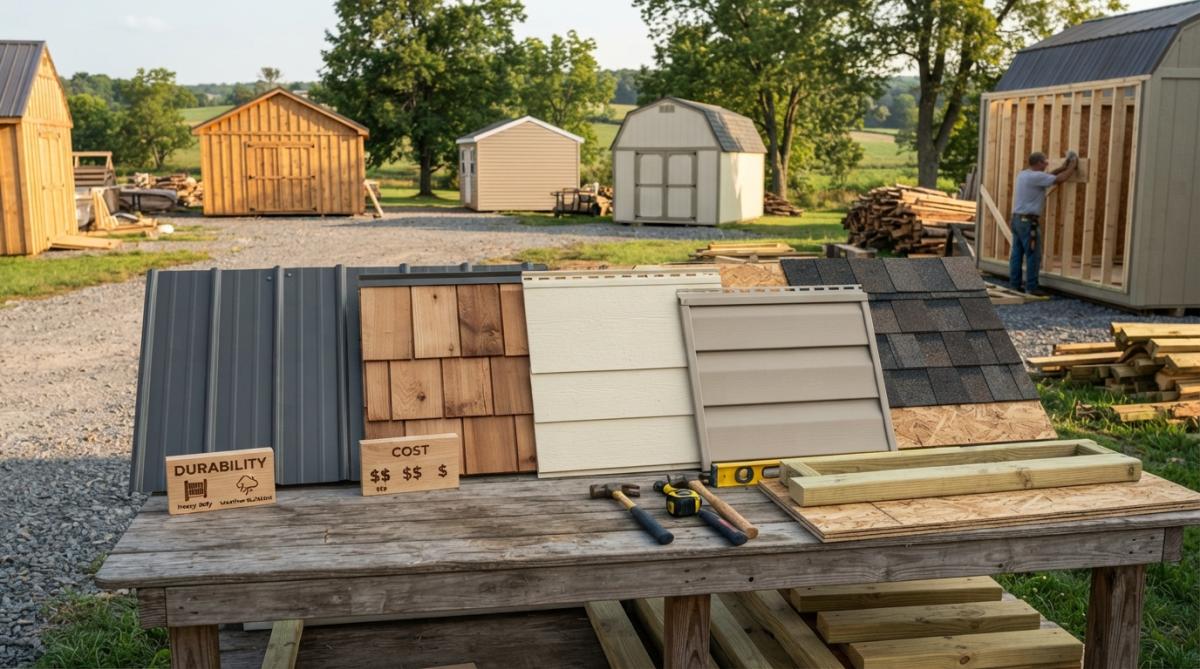
Vinyl playsets resist rot and don’t require staining or sealing. They won’t splinter. Maintenance is minimal, a rinse with a hose and you’re done. But vinyl becomes brittle in cold and soft in heat. A playset that flexes too much under a child’s weight feels unstable. Vinyl also costs more upfront than standard wood, though it saves on maintenance labor.
Wood playsets offer natural strength and rigidity. A well-built wooden structure feels solid and secure. The material breathes, which helps prevent moisture trapping at joints. But wood demands regular maintenance. Untreated wood rots within years in Pennsylvania’s humidity (peer-reviewed research). Pressure-treated wood lasts longer but still requires periodic sealing to prevent checking and cracking.
The real choice isn’t vinyl versus wood, it’s between paying now or paying later. Vinyl costs more upfront but requires almost no maintenance. Wood costs less initially but demands annual or bi-annual sealing to survive Pennsylvania weather.
For most families in the West Chester area, pressure-treated wood with proper sealing offers the best balance: durability, safety, and reasonable maintenance. It’s what Amish builders have refined over generations because they understand what Pennsylvania winters actually do to outdoor structures.
What Makes Amish-Built Swing Sets West Chester PA Stand Out
Amish-built playsets carry a reputation for durability that’s earned, not marketed. The difference comes from three specific practices that mass-produced playsets skip.
First, wood selection matters. Amish builders use pressure-treated lumber that’s graded for outdoor use and kiln-dried to remove excess moisture before construction. This prevents the checking and warping that happens when wet wood dries in place. Mass-produced playsets often use cheaper lumber that hasn’t been properly dried.
Second, joinery is built for movement. Pennsylvania weather means wood expands and contracts constantly. Amish builders use mortise-and-tenon joints and lag bolts that accommodate this movement without loosening. Bolts are checked and tightened seasonally. Pre-drilled holes prevent wood splitting. Corners are reinforced with gussets that distribute stress. These details take time and skill, time that cheap manufacturers skip.
Third, finishing is thorough. A proper seal isn’t a single coat. Amish builders apply multiple coats of sealant, paying special attention to end grain and joints where water enters. They sand between coats. They understand that the finish is what keeps Pennsylvania’s moisture out of the wood.
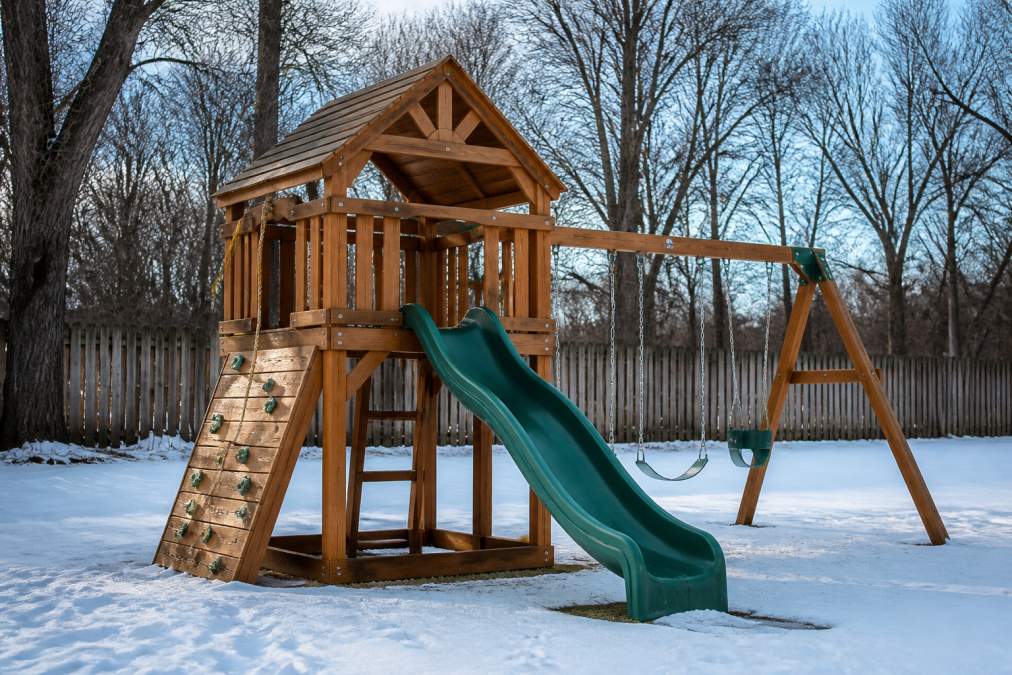
These practices mean a playset built by Amish craftspeople in West Chester lasts longer. It costs more upfront because the labor and materials are genuinely better. But families who’ve owned Amish-built playsets for a decade report they still feel solid, still look good, and still require only basic maintenance.
Riehl Structures builds durable playsets for PA backyards using these same methods. Custom design means the playset fits your specific space and your kids’ ages. Amish craftsmanship means it survives Pennsylvania weather.
Key Features of Long-Lasting Playsets
Durability in a playset depends on specific features that either extend lifespan or shorten it. When comparing options, look for these markers of quality construction.
Pressure-treated lumber is non-negotiable. It resists rot and insect damage. But not all pressure-treated wood is equal. Look for lumber rated for ground contact, it’s treated more heavily than lumber rated for above-ground use. This matters because playset posts often sit close to soil or mulch.
Hardware quality determines whether bolts loosen and joints fail. Stainless steel or galvanized bolts resist rust. Bolts should be lag bolts (thick and threaded all the way) rather than machine bolts (which pull through wood under stress). Washers should be large enough to distribute pressure without cutting into wood.
Sealed joints and end grain stop water penetration. Every place where wood meets wood should be sealed. End grain, the cut end of a board, absorbs water fastest. Builders who seal these details prevent rot at its source.
Reinforced corners and stress points keep the structure stable as wood moves. Gussets (triangular braces) at corners distribute weight. Cross-bracing on larger playsets prevents racking (where the structure leans out of square). These features feel like overkill until a child hangs from a swing set and you realize why they matter.
Proper drainage keeps water from pooling. Posts should sit on concrete footings that lift them off soil. Mulch around posts should slope away, not trap moisture. Deck boards should have gaps that allow water to drain rather than sitting on the surface.
Spacing that meets safety standards protects against entrapment. Gaps between rungs should be either under 3.5 inches or over 9 inches, nothing in between, where a child’s head could get stuck (astm.org). This isn’t optional; it’s required by ASTM F1487, the standard for playground equipment safety.
A playset with these features costs more than one without them. But it’s the difference between a structure that’s solid in year five and one that’s already showing serious wear.
Maintenance Tips for Wooden Playsets
Maintenance extends the life of wooden playsets dramatically. A playset that gets basic seasonal care lasts twice as long as one that’s ignored.
Spring inspection should be your first task. Look for soft spots in wood, poke suspicious areas with a screwdriver. If it sinks in, rot has started. Check bolts and tighten anything loose. Winter’s freeze-thaw cycle loosens fasteners. Look for cracks in wood, especially in posts and beams. Check that all sealant is intact.
Cleaning happens before resealing. Use a stiff brush and a hose to remove dirt, algae, and mildew. Don’t use pressure washers, they drive water into wood. Let everything dry for at least a week before sealing.
Resealing is the most important maintenance task. Seal every two to three years, or more often if your playset gets heavy sun exposure. Use a sealant rated for outdoor use and ground contact. Apply it to all surfaces, but pay special attention to joints, end grain, and any areas where wood-to-wood contact traps moisture.
Bolt tightening should happen twice a year: spring and fall. Use a wrench to snug bolts, not so tight you strip threads, but tight enough that they don’t turn by hand.
Mulch replacement keeps moisture off posts. Replace mulch around posts annually. Keep it pulled back at least six inches from wood. This prevents moisture from wicking up into the structure.
Swing seat replacement happens when seats crack, split, or show soft spots. Cracked seats are safety hazards. Soft wood means rot has progressed and the seat could fail under weight.
| Maintenance Task | Frequency | Why It Matters |
|---|---|---|
| Spring inspection | Once yearly | Catches rot and damage early |
| Bolt tightening | Twice yearly | Prevents loosening from movement |
| Cleaning and resealing | Every 2-3 years | Stops water penetration |
| Mulch replacement | Annually | Prevents moisture wicking |
| Hardware check | Once yearly | Catches rust and corrosion |
These tasks take a few hours per year. Skipping them costs you years of playset life.
Safety Standards and Permits for Backyard Playsets
Safety standards exist because children get hurt on poorly built or maintained playsets. Understanding these standards protects your family and ensures your structure is built correctly.
ASTM F1487 is the standard for residential playground equipment (astm.org). It covers everything from spacing (to prevent entrapment) to fall height (to determine required surfacing) to bolt torque (to prevent loosening). This standard is what distinguishes a safe playset from a dangerous one. Builders who follow it design structures that protect children.
Fall surfacing is required under ASTM standards. The higher the equipment, the thicker the impact-absorbing surface needed underneath. A four-foot platform might need six inches of mulch. An eight-foot platform might need twelve inches. This isn’t optional, it’s the difference between a fall that’s survivable and one that causes serious injury.
Entrapment prevention means spacing rungs and gaps correctly. Openings under 3.5 inches prevent head entrapment. Openings over 9 inches let a child slip through safely. Anything in between is dangerous. This applies to railings, spacing between rungs, and gaps between components.
Permits vary by township. Some townships require permits for any structure. Others only require them for structures over a certain size or height. Contact your local township office to find out what applies to your property. Permits aren’t expensive, but skipping them can create liability issues if someone is injured.
Site preparation should be done before installation. Level ground prevents the structure from settling unevenly. Remove rocks and roots. Ensure drainage so water doesn’t pool around posts. Some townships require setback distances from property lines.
When you work with a builder like Riehl Structures, these standards are built in. Custom design means the playset meets ASTM standards for your specific property. Professional installation ensures proper fall surfacing and permits are handled.
Choosing the Right Playset for Your Backyard
The right playset matches your space, your kids’ ages, and your maintenance capacity. The wrong choice becomes a regretted expense.
Size matters first. Measure your available space honestly. A playset needs clearance around it for safety, typically at least six feet on all sides for smaller sets, more for larger ones. Kids need room to run, climb, and play without bumping into structures. A playset that fills your entire yard leaves no room for actual play.
Age appropriateness shapes what features work. A three-year-old needs lower platforms, smaller rungs, and shorter slides. A ten-year-old needs challenge, higher climbs, more complex structures. A playset that’s too simple gets outgrown quickly. One that’s too advanced is frustrating and unsafe.
Maintenance commitment determines material choice. If you’re willing to seal wood every two to three years, wood playsets offer durability and character. If maintenance sounds like a burden, vinyl or composite materials require less work. Be honest about this before buying.
Budget flexibility matters because durability costs more upfront. A playset that needs replacement in five years costs more over time than a playset that lasts twenty years. Think in terms of cost per year of use, not just purchase price.
Custom versus prefabricated is a significant choice. Prefabricated playsets come in standard sizes and designs. They’re faster to install but don’t adapt to your specific space or your kids’ specific interests. Custom-built playsets cost more but fit your property exactly and can be designed around what your kids actually enjoy.
For families in the West Chester area looking for durable playsets for PA backyards, Riehl Structures offers custom design that matches your space and your family’s needs. Amish-built quality means the structure survives Pennsylvania weather for decades. Flexible financing makes quality accessible. Free delivery within 30 miles of West Chester means no hassle with logistics.
A playset is more than outdoor equipment, it’s where childhood memories happen. It needs to be safe, stable, and reliable through years of use. Understanding what durability actually means in Pennsylvania’s climate helps you make a choice you won’t regret. Durable playsets for PA backyards require pressure-treated wood, proper joinery, thorough sealing, and ongoing maintenance. When you choose Amish-built construction from Riehl Structures, you’re choosing a structure designed to survive Pennsylvania weather while giving your kids a safe place to play for decades. Get a quote now and see how custom design transforms your backyard into a space where memories are made.
Frequently Asked Questions
What materials make durable playsets for PA backyards last longer?
Pressure-treated lumber, cedar, and vinyl-coated steel resist Pennsylvania’s freeze-thaw cycles and moisture. Amish-built structures use hand-selected, kiln-dried wood with reinforced joinery that withstands seasonal stress better than mass-produced alternatives. Stainless steel hardware prevents rust. The combination of premium materials and superior construction methods extends playset lifespan.
Are Amish-built playsets better than big-box store swing sets?
Amish-built playsets prioritize durability and customization over cost. Craftspeople hand-select wood, use mortise-and-tenon joinery, and build to withstand Pennsylvania weather extremes. Big-box playsets often use lower-grade lumber, bolted connections, and minimal weather treatment. While Amish-built structures may cost more upfront, they are designed for longevity and can be a better long-term investment for families planning to use the playset for years.
How do I maintain a wooden playset during PA winters?
Apply a weather-resistant sealant every 1-2 years, especially before winter. Clear debris and standing water from joints to prevent rot. Inspect bolts and hardware for rust or looseness after freeze-thaw cycles. Sand rough spots to prevent splinters. In spring, check for winter damage and repair cracks or soft wood immediately. Proper maintenance extends playset life significantly and keeps children safe from deteriorating surfaces and loose components.
Do I need a permit for a backyard playset in West Chester, PA?
Most residential playsets under 15 feet tall don’t require permits in West Chester, but requirements vary by township. Check with your local zoning office before installation. Some areas require setback distances from property lines or have height restrictions. A professional builder familiar with local codes can handle permitting and site preparation, removing guesswork and ensuring your playset meets all regulations.
This article was written using GrandRanker

Copy Link