Best Pergola Shade Ideas for Summer: 7 Solutions
Copy Link
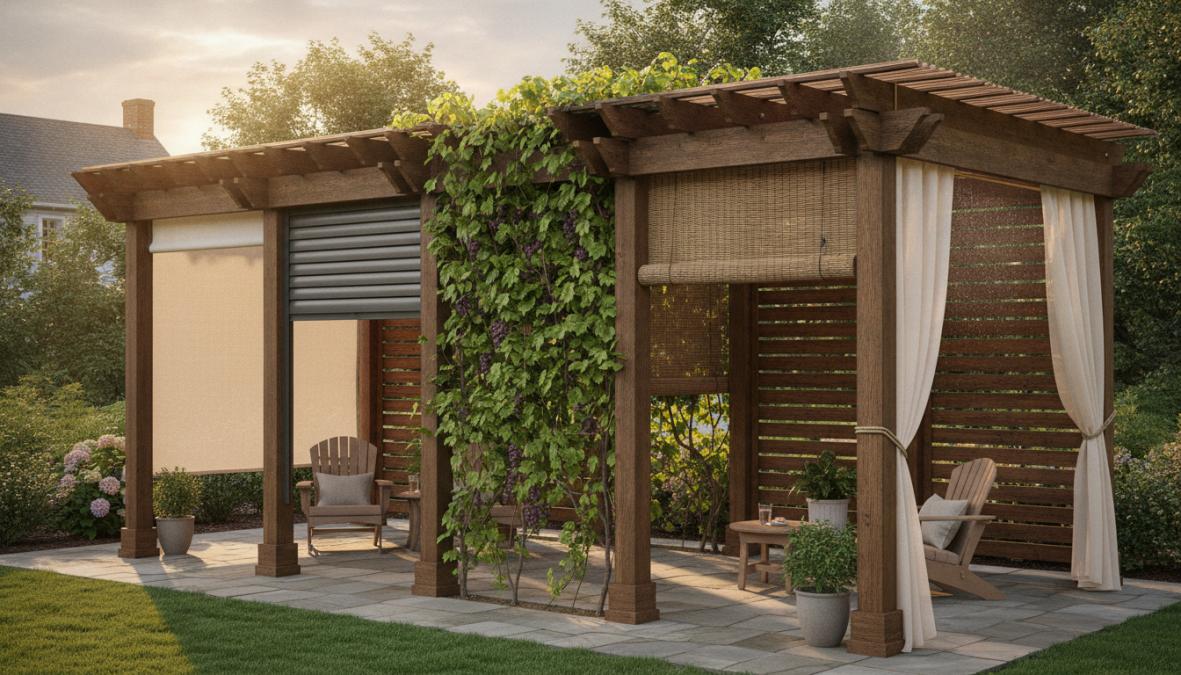
Table of Contents
- Best Pergola Shade Ideas for Summer: Your Complete Options
- Retractable Pergola Canopy Systems: Flexibility and Control
- Pergola Shade Sails: Stylish and Affordable Sun Protection
- How to Attach Shade Cloth to Pergola: Step-by-Step Installation
- DIY Pergola Shade Ideas: Budget-Friendly Solutions
- Choosing the Right Fabric: Waterproof, UV-Resistant Materials
- Smart Home Integration and Advanced Louvered Roof Systems
- Professional Installation vs. DIY: What’s Right for You
Last Updated: July 13, 2026
When summer heat peaks, a well-designed pergola becomes your backyard’s most valuable feature. The right shade solution balances aesthetics, functionality, and durability while handling intense UV exposure. At Riehl Structures, we’ve helped countless homeowners transform outdoor spaces with custom-built pergolas and shade solutions. Below, we’ll show you how to choose and install pergola shade options that work for your climate, budget, and lifestyle.
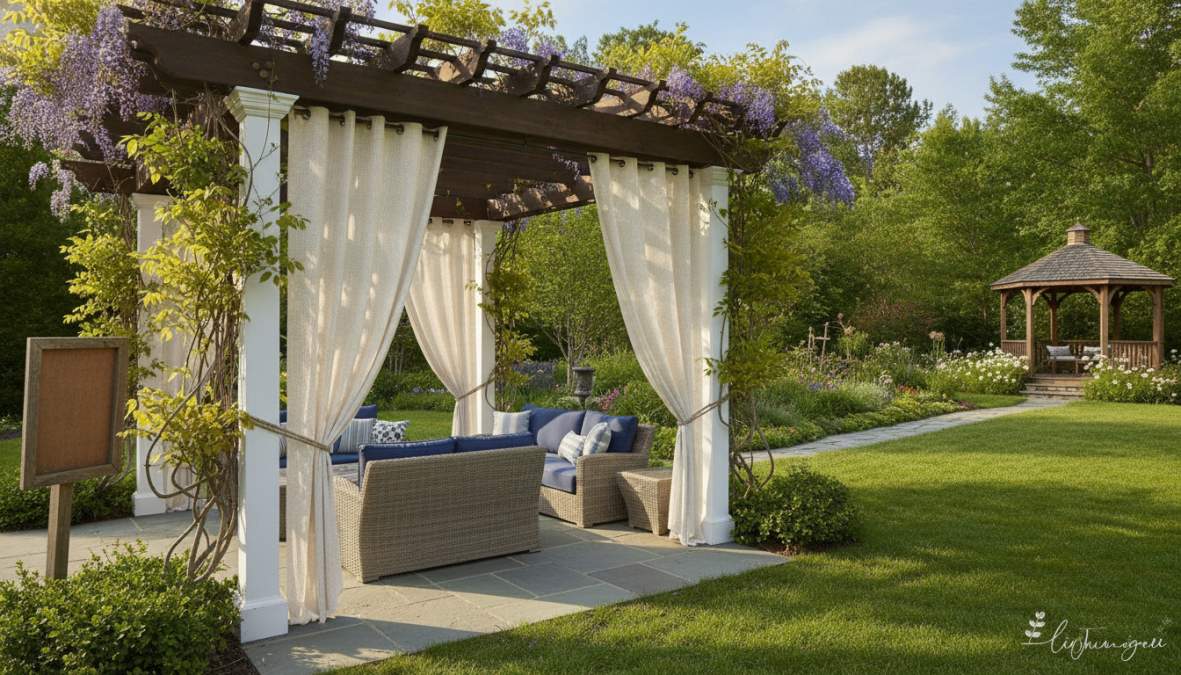
Best Pergola Shade Ideas for Summer: Your Complete Options
The right shade solution transforms a pergola from decorative structure into functional outdoor living space. Summer shade extends comfortable outdoor time, protects furniture and skin from UV damage, and can reduce nearby surface temperatures by 20-30 degrees Fahrenheit. Your options range from permanent installations to flexible, adjustable systems. The key is matching your choice to actual use patterns: retractable systems work if you want sun in spring and fall, while fixed shade cloth suits primarily summer use.
Most homeowners overlook maintenance requirements, which vary dramatically across shade types. Bamboo shades require seasonal treatment, fabric covers need occasional cleaning, and climbing plants demand pruning. Understanding these real-world needs helps you choose what actually fits your lifestyle.
Why Summer Shade Matters for Your Outdoor Living Space
Extended outdoor time depends on comfort. When direct sunlight hits a pergola without shade, surface temperatures exceed 150 degrees Fahrenheit, making the space unusable during peak afternoon hours. UV protection is equally critical, research from the Skin Cancer Foundation shows unprotected summer sun exposure significantly increases skin damage risk. Proper pergola shade reduces UV exposure by 75-95 percent.
Shade extends the lifespan of outdoor furniture and decor. Sunbrella fabrics and teak wood last far longer under shade than in direct sun. A shaded pergola also feels like a genuine outdoor room rather than a sun-exposed patio, naturally encouraging more time spent outside.
Retractable Pergola Canopy Systems: Flexibility and Control
Retractable canopies provide full sun when desired and complete shade when needed. These motorized or manual systems roll fabric across your pergola frame for on-demand adjustment.
The PERGOLUX Series 4 represents the premium option, featuring motorized louvered aluminum that integrates with smart home platforms. The RapidLouver system speeds assembly, and integrated RainLUX drainage handles both sun and storms. For retrofitting existing pergolas, ShadeFX Retractable Canopies offer custom-made solutions with waterproof, UV-resistant fabric.
Manual vs. Motorized Options
Manual systems cost significantly less but require physical effort each adjustment. Hand cranks work for smaller pergolas (under 200 square feet), but larger installations become tedious. Most homeowners adjust manual systems only twice daily rather than optimizing for actual sun angles.
Motorized systems eliminate this friction through remote or smartphone control, encouraging actual use. Battery-powered motors avoid electrical installation complexity while offering unlimited operation. For most residential applications, battery-powered motors balance convenience and simplicity.
Test manual operation before committing. Many homeowners think they’ll adjust shade frequently, then rarely do. If you won’t manually adjust multiple times daily, motorized makes financial sense.
Pergola Shade Sails: Stylish and Affordable Sun Protection
Shade sails deliver visual impact while providing genuine UV protection. These tensioned fabric triangles or rectangles block 85-95 percent of direct sunlight while allowing sight lines and creating modern aesthetics.
Kookaburra Shade Sails offer affordable options in various shapes and colors. Breathable fabrics reduce heat buildup compared to solid covers. Installation requires existing mounting points or posts, making them ideal for pergolas with sturdy corner posts.
Tensioned Fabric Design and Installation
Shade sails work through tension, fabric stretches tightly between anchor points, creating a smooth surface that sheds water and resists sagging. This tension requires properly engineered mounting hardware and structurally sound anchor points.
Installation mistakes happen frequently. Many homeowners underestimate wind forces on tensioned fabric. A sail that looks secure in calm conditions can fail in summer storms if anchor points aren’t rated for lateral loads. Professional installation ensures your system handles local wind conditions safely.
Cable attachment points must distribute tension evenly. Uneven tension causes visible sagging and reduces shade effectiveness. Most professional installers use turnbuckles for fine-tuning tension after installation.
Improperly tensioned shade sails fail in wind. Even moderate summer thunderstorms can tear fabric or pull anchor points loose. Invest in professional-grade hardware and have a structural engineer verify anchor points can handle wind loads for your region.
How to Attach Shade Cloth to Pergola: Step-by-Step Installation
Shade cloth offers a practical middle ground between full canopies and shade sails. Installation requires planning, proper hardware, and attention to detail.
Materials and Hardware You’ll Need
Quality matters with shade cloth installation. Here’s what actually works:
- Shade cloth: 40-50% density balances shade and light for pergolas
- Stainless steel D-rings: Rated for 50+ pounds each; aluminum corrodes and plastic breaks
- Heavy-duty zip ties or cable: UV-resistant materials only; regular zip ties become brittle within months
- Turnbuckles: Allow tension adjustment without full reinstallation
- Grommets: Reinforced holes where cloth attaches to hardware
- Fasteners: Stainless steel bolts, washers, and nuts only
Total material cost for a 12×16-foot pergola runs $150-400 depending on cloth quality and hardware grade.
Common Installation Mistakes to Avoid
Most DIY installations fail within two years due to preventable errors:
Inadequate tension. Loose cloth sags, collects water, and tears in wind. Tension should feel tight when pushed.
Attaching directly to wood. Bolts through wood create stress points where cloth tears. Use reinforced mounting brackets that distribute force across larger areas.
Ignoring water drainage. Shade cloth holds water in heavy rain. Without proper slope or drainage holes, water pooling stresses the installation.
Using standard hardware. Plastic clips, aluminum rings, and galvanized bolts fail within months.
Underestimating wind loads. Summer thunderstorms generate surprising lateral forces. Oversize hardware by at least 50 percent compared to what seems necessary.
| Installation Step | Typical Duration | Key Detail |
|---|---|---|
| Measure and mark attachment points | 30 minutes | Use a laser level for accuracy |
| Install mounting brackets | 1-2 hours | Stainless steel bolts only |
| Attach grommets to cloth | 1-2 hours | Professional grommet tools work better than kits |
| Hang cloth and tension | 1-2 hours | Adjust all four corners evenly |
| Inspect and tighten after 2 weeks | 15 minutes | Cloth stretches slightly; re-tension needed |
| Seasonal cleaning | 30 minutes | Prevents mold and extends life |
DIY Pergola Shade Ideas: Budget-Friendly Solutions
Several effective options work well for DIY implementation and cost under $300 for a standard pergola.
Natural Shade with Climbing Plants and Vines
Climbing plants create the most elegant shade solution. Wisteria, jasmine, clematis, and grapevines provide living shade that improves over time. Wisteria produces cascading flowers and dense foliage blocking 70-80 percent of direct sunlight but requires annual pruning. Jasmine offers fragrance along with shade. Grapevines provide practical shade plus edible fruit.
The primary limitation is establishment time, most climbing plants take 2-3 years to fully cover a pergola. During this period, supplemental shade solutions help. Additionally, vines attract insects and require regular pruning.
Climbing plants create the most beautiful pergola shade but demand patience and ongoing maintenance. Combine vines with temporary fabric solutions for the first two years.
Outdoor Curtains and Drapes for Privacy
Outdoor curtains provide shade while creating privacy and defining your outdoor room. Winsol Outdoor Curtains use Sunbrella fabric, offering durability and water resistance that standard indoor curtains cannot match.
Mounting requires simple hardware, a tension rod or cable system between pergola posts. Installation takes an afternoon for most DIY homeowners. Sunbrella fabric resists mildew and fading, lasting 5-7 years with basic care.
The primary trade-off is light control. Curtains block light where they hang but leave gaps between panels. Multiple layers or very wide panels provide complete coverage.
Bamboo and Reed Roll-Up Shades
Bamboo shades bring natural, tropical aesthetics while providing effective sun filtering. Naturtrend Bamboo Shades roll up and down, allowing easy adjustment. The material filters harsh light while maintaining visibility.
Bamboo shades require seasonal maintenance with natural oils to prevent weathering and splitting. With proper maintenance, they last 5-7 years. Cost runs $200-400 for a standard pergola with straightforward DIY installation.
The main limitation is durability in harsh climates. Extreme heat, humidity, and salt air accelerate degradation. In moderate climates, bamboo works beautifully.
Choosing the Right Fabric: Waterproof, UV-Resistant Materials
Fabric quality determines longevity and UV blocking effectiveness. Material composition, weave density, and coating technology dramatically affect performance.
Climate-Specific Recommendations
Your local climate determines which fabrics perform best. Hot, dry climates benefit from breathable fabrics that reduce heat buildup. Humid climates require moisture-resistant fabrics that resist mildew. Coastal regions need salt-resistant materials.
Sunbrella fabric performs exceptionally well across most climates, resisting fading, mildew, and salt damage while blocking 85-98 percent of UV radiation. It lasts 7-10 years compared to 3-4 years for cheaper alternatives. For hot, dry climates, 50-70 percent density shade cloth allows airflow. In humid climates, denser fabrics (70-80 percent) with mildew-resistant coatings perform better.
Coastal regions benefit from solution-dyed fabrics where color is integrated into the fiber. GERMES Cable Tension Awnings use Dralon outdoor fabric, a solution-dyed acrylic that resists coastal degradation effectively.
Maintenance and Cleaning Guides
Fabric longevity depends almost entirely on maintenance. Well-maintained fabric lasts twice as long as neglected fabric.
Monthly inspection. Check for loose seams, small tears, or water pooling. Address issues immediately.
Twice-yearly deep cleaning. Use soft brush and mild soap solution. Avoid pressure washers, which damage fabric weave.
Mildew prevention. In humid climates, spray fabric with mildew-resistant treatment annually.
Water drainage verification. Ensure water flows properly off fabric. Adjust mounting angles if water collects.
Seasonal storage. For removable systems, store in dry locations away from direct sunlight.
Most fabric failures result from neglect rather than material defects. Homeowners investing 30 minutes twice yearly in maintenance see shade solutions last 8-10 years.
Smart Home Integration and Advanced Louvered Roof Systems
The latest pergola shade technology integrates with smart home systems for automated control based on weather, time of day, or user preference. StruXure Motorized Pergolas exemplify this category, with fully motorized louvered systems responding to weather sensors and integrating with smart home platforms.
The PERGOLUX Series 4 includes smart sensor technology that tracks sun position and adjusts louvers automatically throughout the day. These advanced systems cost $5,000-15,000 installed but offer convenience and precision that manual solutions cannot match. Automated systems adjust shade continuously, maintaining optimal conditions without user intervention.
Durability of motorized systems exceeds manual alternatives because precise positioning reduces component stress.
Professional Installation vs. DIY: What’s Right for You
Simple shade cloth installations work fine for DIY with basic tool experience. Motorized systems and advanced louvered roofs require professional installation due to electrical work and structural calculations. Retractable canopy systems fall in the middle, manual versions can be DIY, but motorized versions benefit from professional installation.
Consider structural complexity, electrical work requirements, warranty conditions, and your actual skill level. For most homeowners, hiring professionals for motorized systems and complex installations ensures safety, durability, and warranty coverage. DIY works well for shade cloth, outdoor curtains, and climbing plants.
Riehl Structures offers custom-designed pergolas with integrated shade solutions, combining structural expertise with aesthetic vision. Our Amish-built construction ensures pergola frames handle shade system loads properly. With flexible financing and free delivery within 30 miles of our West Chester and King of Prussia locations, we make quality outdoor structures accessible.
The best pergola shade ideas for summer balance aesthetic preferences, climate conditions, maintenance tolerance, and budget. Whether you choose climbing vines, retractable canopies, shade sails, or smart-home-integrated louvered systems, the right solution transforms your outdoor space into a genuinely usable room during summer months. Get started with Riehl Structures to design a pergola and shade system that works for your specific backyard conditions and lifestyle.
Frequently Asked Questions
What is the best way to add shade to a pergola for summer?
The best pergola shade ideas depend on your budget and lifestyle. Retractable canopies offer flexibility, shade sails provide affordable coverage, and climbing plants add natural aesthetics. For maximum control, motorized louvered systems integrate with smart home technology. Consider your climate, UV protection needs, and whether you want permanent or adjustable solutions. Riehl Structures offers custom pergola designs that can be tailored with your preferred shade system.
How do I attach shade cloth to a pergola without professional help?
To attach shade cloth to your pergola, gather mounting hardware (clips, hooks, or bolts), measure your pergola frame carefully, and secure the fabric using a tensioned installation method. Start at one corner, pull the cloth taut, and secure progressively around the perimeter. Use D-rings or carabiners for adjustability. Common mistakes include over-tightening (which tears fabric) and improper measurement. For custom-fit solutions, professional installation ensures durability and proper UV protection.
Are retractable pergola canopies worth the investment?
Retractable pergola canopies offer excellent value if you want flexibility, open for ventilation on mild days, closed for UV protection during peak summer heat. They provide waterproof fabric protection and extend your outdoor living season. While initial costs are higher than shade sails, they last longer and require less maintenance. Manual systems are budget-friendly; motorized options integrate with smart home technology for convenience. The investment pays off through increased outdoor space usability.
What shade cloth density should I choose for summer UV protection?
Shade cloth density ranges from 30% to 90%, with higher percentages blocking more sunlight. For summer heat protection, 50-70% shade density balances UV blocking with airflow and visibility. Denser fabrics (70%+) provide maximum cooling but reduce light and ventilation. Consider your climate, hotter regions benefit from 70% density, while moderate climates work with 50%. Waterproof and tear-resistant fabrics ensure durability. Test different densities to find your comfort level for outdoor living.
This article was written using GrandRanker

Copy Link