Sheds: A Guide to Types, Materials & Setup
Copy Link
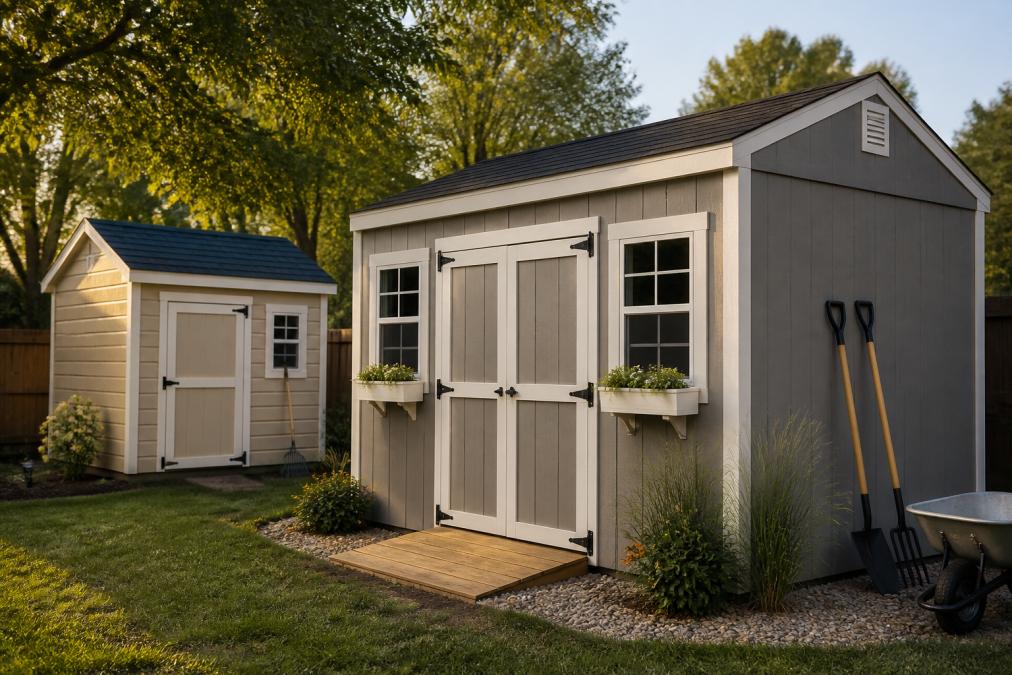
Table of Contents
- Types of Sheds for Different Needs
- Shed Materials: Wood, Metal, and Vinyl
- Shed Foundation Types and Installation
- Shed Permits and Local Requirements
- Backyard Shed Maintenance Tips
- Shed Financing Options and Affordability
- What to Consider Before You Buy
Last Updated: August 26, 2026
Types of Sheds for Different Needs
Not all sheds are created equal. The structure you choose depends on what you’re storing and how you plan to use your backyard space.
A storage shed is the most common type, designed to house tools, equipment, seasonal items, and general clutter. These range from compact 4×6 models for small yards to spacious 10×16 structures that can hold lawnmowers and holiday decorations.
Garden sheds are typically smaller, often 6×8 or 8×10, and optimized for potting benches, seed storage, and gardening supplies. Tool sheds are specialized for hand tools, power equipment, and workshop supplies, often including wall-mounted pegboards and workbenches.
Studio sheds and hobby spaces are insulated, climate-controlled structures used as art studios, home offices, or creative workshops. They require sophisticated construction including proper ventilation, electrical systems, and sometimes heating and cooling. Riehl Structures specializes in custom-designed sheds that can accommodate these specific needs.
Playhouses and recreational sheds serve families with children, providing safe outdoor play areas or toy storage while complementing your home’s aesthetic.
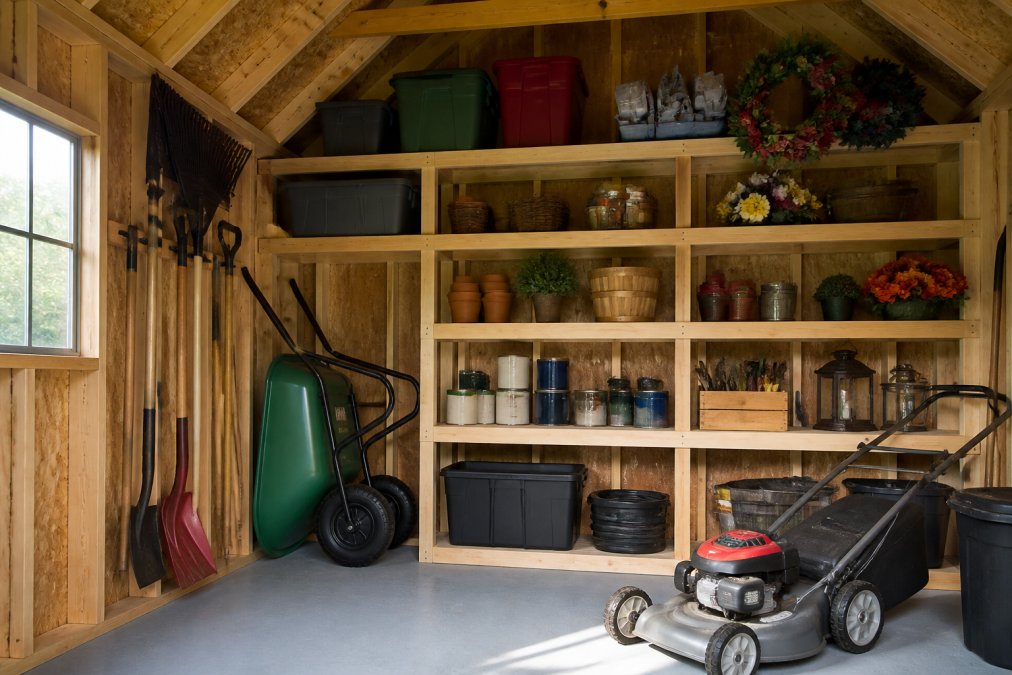
The key is matching the shed type to your actual use case. Consider what you’ll store, how frequently you’ll access items, and whether you need climate control or specialized features.
Shed Materials: Wood, Metal, and Vinyl
The material you choose affects durability, maintenance, appearance, and cost.
Wood sheds remain the most popular choice, particularly in Pennsylvania where traditional wooden structures blend seamlessly with neighborhoods. Wood offers aesthetic appeal and unlimited customization. Amish-built wooden sheds from Riehl Structures use premium materials and joinery techniques ensuring longevity. The downside is maintenance, wood requires periodic staining or painting and inspection for rot or pest damage.
Metal sheds, typically galvanized steel or aluminum, offer excellent durability and minimal maintenance. Metal won’t rot, doesn’t attract termites, and requires only occasional cleaning. However, metal can rust in humid areas and offers limited customization compared to wood.
Vinyl sheds represent a middle ground, maintenance-free, won’t rot or rust, and resist weather damage effectively. Vinyl offers less aesthetic warmth than wood and has customization limitations.
The real question is which material matches your priorities. If you value appearance and don’t mind maintenance, wood is superior. If you prioritize low maintenance and durability, metal or vinyl makes sense. Premium wood construction from experienced builders is worth the investment for structures lasting decades with minimal upkeep.
Shed Foundation Types and Installation
A proper foundation is non-negotiable. Many shed failures trace directly to inadequate foundation work.
Concrete pads are the gold standard for most sheds. A properly poured concrete foundation prevents moisture from wicking into the structure, stops wood rot at the base, and provides a level surface. In West Chester, where seasonal moisture and freeze-thaw cycles are common, concrete protects your investment (noaa.gov).
Gravel or crushed stone foundations work for temporary structures but shift over time and don’t prevent ground moisture from reaching the shed floor.
Wooden skids or posts elevate the shed slightly, allowing airflow beneath. This works reasonably well in dry climates but struggles in humid regions.
Concrete blocks or piers provide elevation and moisture protection without a full pad, offering a practical middle ground.
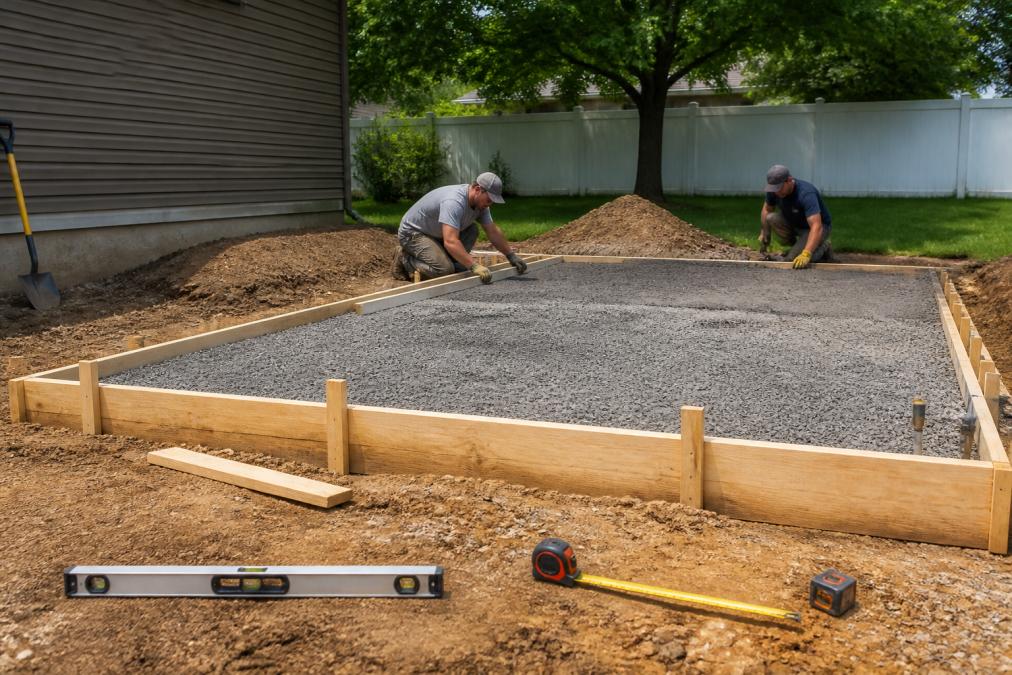
The installation process matters as much as the foundation type. Your yard likely isn’t perfectly level. Professional installation accounts for slope, drainage patterns, and soil conditions. Riehl Structures handles site preparation and foundation work, ensuring your shed sits properly from day one and eliminating the common mistake of uneven settling.
Shed Permits and Local Requirements
Permit requirements for sheds vary significantly by municipality. In West Chester and Chester County, requirements depend on shed size, setback distances from property lines, and whether the structure has electrical systems. Many townships require permits for sheds over 100-200 square feet, though this varies (pa.gov).
Setback requirements specify how far your shed must be from property lines, typically 5-10 feet from rear lines and 5-15 feet from side lines. Building a shed that violates setbacks can result in a costly removal notice.
Height restrictions often limit sheds to 12-15 feet from grade to roof peak (pa.gov).
Electrical and plumbing codes apply if your shed includes these systems. Licensed contractors and inspection are typically required.
Contact your township planning office before purchasing a shed to ask about size limits, setback requirements, permit necessity, and approval processes. This prevents costly mistakes. Riehl Structures can guide you through permit requirements for your specific location and ensure your custom shed meets all local codes.
Backyard Shed Maintenance Tips
A well-maintained shed lasts decades.
Inspect regularly, at least twice yearly, for signs of rot, pest damage, rust, or loose fasteners. Pay special attention to the foundation, floor, and areas where water collects.
Control moisture by ensuring proper drainage around the shed. Water should flow away from the structure. Clean gutters and downspouts regularly, and consider adding drainage if water pools near your shed.
Protect wood finishes by repainting or restaining every 3-5 years. West Chester’s weather makes regular finishing essential for wooden structures.
Ventilate adequately to reduce interior humidity. Install vents or louvers to allow air circulation.
Check fasteners and hardware periodically. Wind and temperature changes cause bolts and screws to loosen over time.
Clear vegetation away from the shed exterior. Keep at least 2-3 feet of clear space around your shed.
Prevent pests by sealing gaps and cracks. Store food items in sealed containers and remove potential nesting materials.
Prepare seasonally. Before winter, inspect the roof for missing shingles, ensure gutters are clear, and check that doors and windows close properly.
Shed Financing Options and Affordability
The cost of a quality shed varies based on size, materials, customization, and installation. Get a quote directly from Riehl Structures for accurate costs specific to your project.
Financing options make quality structures more accessible than paying cash upfront. Riehl Structures offers flexible financing including Rent-to-Own arrangements, allowing monthly payments while you own and use the structure. Their financing requires no home equity and carries no prepayment penalties.
Rent-to-Own programs allow you to make regular monthly payments, and after a set period, the structure is fully yours. This approach is valuable for homeowners who want to avoid traditional financing or prefer spreading costs over time.
Credit requirements for shed financing are typically more flexible than mortgage lending. Many programs don’t require perfect credit scores and some require no credit check.
Payment schedules can be customized to fit your budget with monthly, quarterly, or annual options available.
Compare total cost, not just monthly payment. Ask for the total amount you’ll pay over the entire financing period to make an informed decision.
Riehl Structures’ financing model eliminates large upfront payments while ensuring quality Amish craftsmanship. Their no-prepayment-penalty policy means you can pay off your shed whenever your financial situation improves.
What to Consider Before You Buy
Purchasing a shed is a significant decision. Taking time to evaluate your needs prevents costly mistakes.
Assess your actual storage needs by taking inventory of what you need to store. Many homeowners underestimate requirements and end up with sheds that are too small. When uncertain, go slightly larger.
Evaluate your yard’s layout and drainage. Where will the shed sit? Does water pool after rain? Are there underground utilities to avoid? A site visit from Riehl Structures can identify potential issues before construction.
Consider future needs. Will you eventually want electrical service or convert the space to a studio? Planning for these possibilities now prevents expensive modifications later.
Check local regulations before committing to a specific size or location. Contact your township planning office and confirm setback requirements, size limits, and permit necessity.
Evaluate customization options. Standard sheds work for many homeowners, but custom designs optimize space for your specific needs. Riehl Structures offers custom design services ensuring your shed fits your property and lifestyle.
Compare quality and warranty. Price alone doesn’t determine value. A cheaper shed requiring constant maintenance costs more than a quality structure lasting decades. Riehl Structures’ 30+ years in business and Amish-built quality represent genuine durability.
Factor in delivery and installation. Riehl Structures includes free delivery within 30 miles of their West Chester and King of Prussia locations, plus professional installation ensuring proper setup from day one.
Plan for maintenance. Every shed requires ongoing care. Budget for maintenance as part of your ownership costs.
Choosing the right shed transforms your backyard from cluttered to organized and functional. Riehl Structures helps West Chester-area homeowners navigate this decision by offering custom-designed sheds built with Amish craftsmanship, flexible financing with no prepayment penalties, and stress-free delivery and installation. Get a quote now and discover how a quality shed can add value to your home while solving your storage challenges.
Frequently Asked Questions
Q: Do I need a permit for a storage shed in West Chester, PA?
A: Permit requirements vary by township and shed size. Most municipalities require permits for sheds over 100-200 square feet or those with permanent foundations. Check with your local township office for specific regulations. Professional builders can often guide you through the requirements to ensure compliance and avoid costly fines.
Q: What is the best foundation for a backyard storage shed?
A: The best foundation depends on your soil, climate, and intended use. Concrete slabs offer durability and prevent moisture damage, making them ideal for long-term storage. Gravel pads work well for temporary or lighter structures, while concrete piers suit uneven terrain. Proper drainage and level ground are critical regardless of type to prevent settling, water damage, and structural issues over time.
Q: What maintenance is required for wooden versus vinyl sheds?
A: Wooden sheds require regular maintenance: staining or sealing every 2-3 years, roof inspections, and gutter cleaning to prevent rot and pest damage. Vinyl sheds need minimal upkeep, occasional washing and checking for cracks, but offer less customization. Both benefit from proper ventilation and drainage. Budget time and cost for maintenance when choosing your material.
Q: What financing options are available for purchasing a shed?
A: Many dealers offer flexible financing including rent-to-own programs, installment plans, and traditional financing with no prepayment penalties. Rent-to-own lets you build equity while testing the structure before committing to full ownership. Compare terms carefully, including interest rates and total cost, to find the option that fits your budget and timeline.
This article was written using GrandRanker

Copy Link