Amish vs. Factory Sheds: How to Choose
Copy Link
Table of Contents
- Amish-Built Sheds vs. Factory Sheds: Key Differences at a Glance
- What Are Amish Built Sheds
- Factory-Built Sheds: What You’re Getting
- Custom Outdoor Storage Sheds: Personalization Options
- Shed Delivery and Installation Process
- Cost Comparison: Initial Investment and Long-Term Value
- How to Make Your Decision
- Conclusion
Last Updated: August 19, 2026
Amish-Built Sheds vs. Factory Sheds: Key Differences at a Glance
When you’re shopping for an outdoor storage shed, you’re really making a choice between two fundamentally different philosophies: hand-crafted durability or mass-produced convenience. The difference between amish vs factory sheds goes far deeper than price. It’s about construction methods, materials, longevity, customization, and what happens five, ten, or twenty years down the road when your shed is still standing in your yard.
At Riehl Structures in West Chester, we’ve spent over 30 years working with homeowners who face this exact decision. Some want the speed and affordability of a factory-built option. Others prioritize the durability and craftsmanship that comes with amish built sheds. Both have legitimate advantages. But here’s what most people get wrong: they assume factory sheds are cheaper because they’re somehow inferior. They’re not. They’re just built differently. The real question is which approach matches your priorities, your property, and your timeline.
This guide breaks down the key differences so you can make an informed choice. We’ll cover construction methods, durability expectations, customization options, delivery and installation, costs, and the practical factors that should drive your decision.
What Are Amish Built Sheds
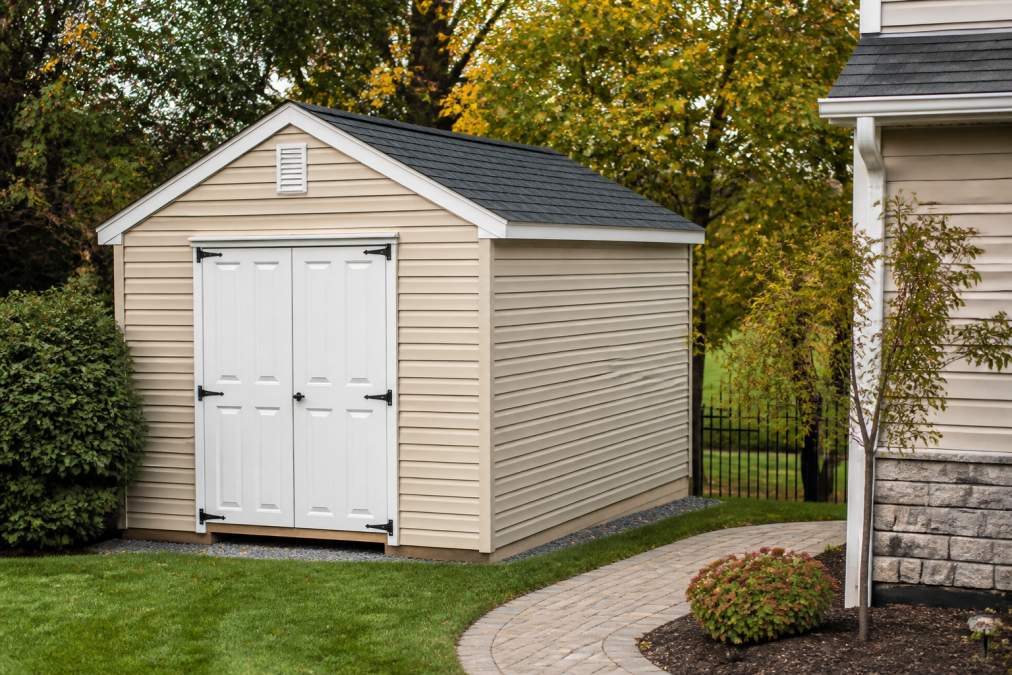
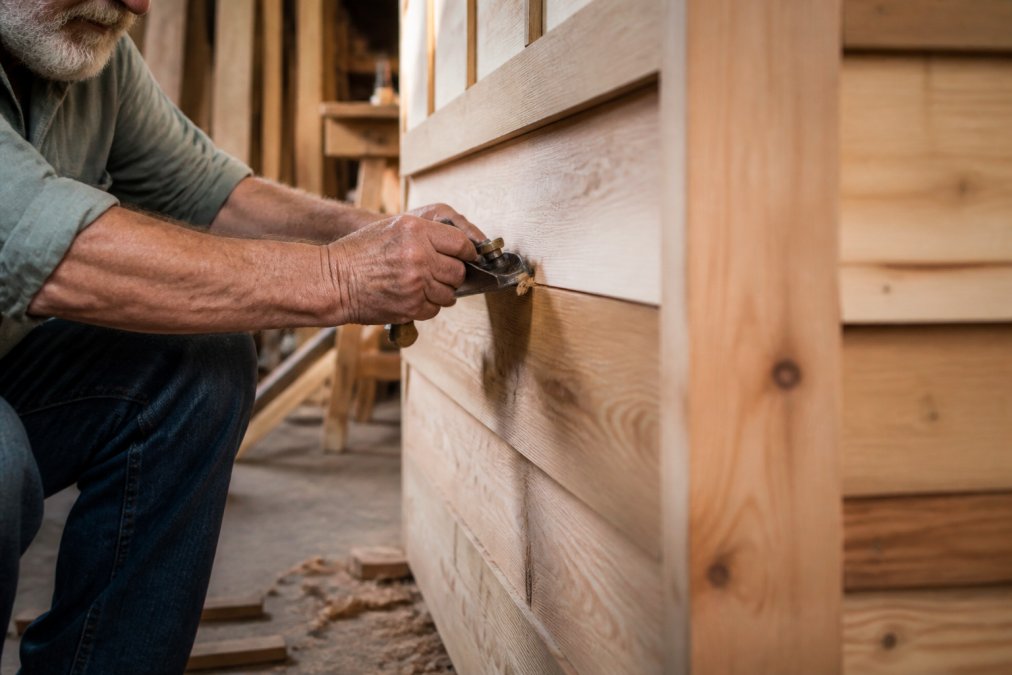
Amish-built sheds are hand-constructed outdoor structures created by skilled craftspeople using traditional woodworking techniques and dimensional lumber. These sheds are built one at a time, typically in a workshop or on-site, with attention to detail at every step. Unlike factory sheds that roll off an assembly line, each amish shed is essentially custom-built to order.
Construction Methods and Materials
Amish builders use solid dimensional lumber, typically 2×4 and 2×6 framing, combined with quality siding materials like James Hardie Board & Batten or SmartSide, which resist moisture and impact better than basic plywood. The roof is built with real rafters and sheathing, not trusses cut to specifications. Every joint is secured with screws and nails placed by hand. There’s no rushing through a checklist. A 10×12 shed might take several weeks to build because the craftsperson is checking angles, ensuring the door hangs straight, and making sure the structure is square.
This approach creates structures that are inherently stronger. The materials are better quality. The assembly is more precise. There are fewer shortcuts because the builder’s reputation depends on the final product.
Durability and Lifespan
Amish-built sheds are designed and constructed to last 20-30 years or longer. Some last 40 years. The combination of solid wood framing, quality siding, proper ventilation, and careful construction means these structures weather local climate challenges, Pennsylvania winters, humidity, temperature swings, without deteriorating quickly. The hand-built approach also means problems are caught and fixed during construction, not discovered years later when a corner starts rotting.
A common mistake is assuming durability is just about materials. It’s not. It’s about how those materials are put together. A poorly constructed shed with premium materials will fail. A well-constructed shed with good materials will outlast cheaper alternatives by decades. Amish builders prioritize the construction process itself.
Factory-Built Sheds: What You’re Getting
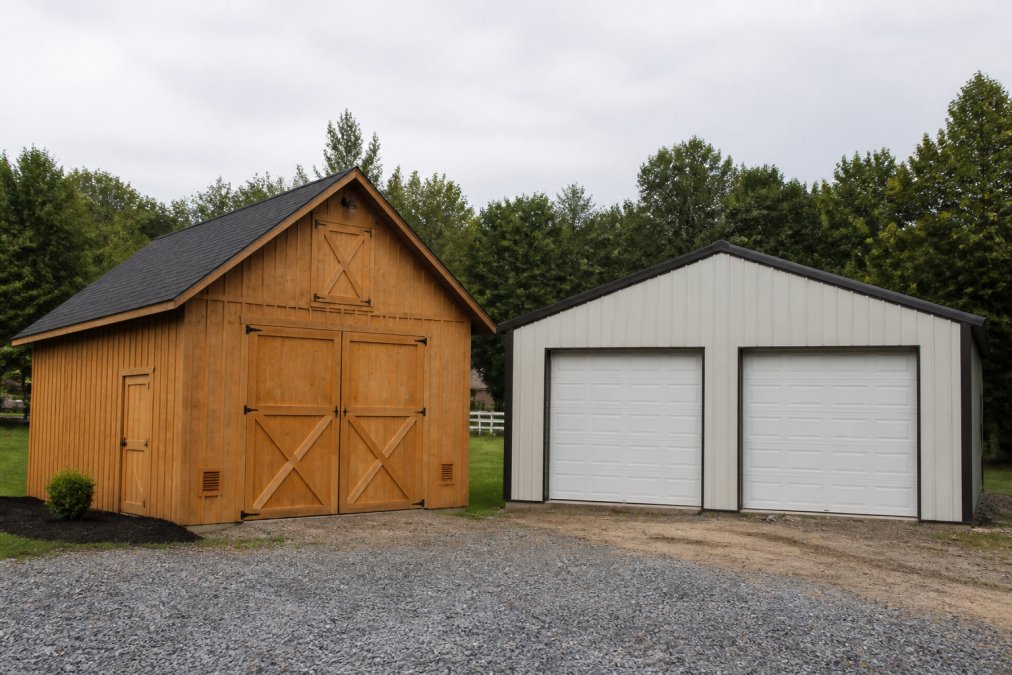
Factory-built sheds are prefabricated structures manufactured in a facility and delivered to your property mostly assembled or ready for final assembly. They’re mass-produced using standardized designs and materials, with the goal of speed and cost efficiency. A factory can produce dozens or hundreds of sheds per month. An amish builder produces a handful.
Mass Production and Assembly
Factory sheds are built on an assembly line. Walls are framed, siding is attached, the roof is assembled, all following a standardized process designed to move quickly. Materials are chosen for cost-effectiveness: oriented strand board (OSB) for flooring, metal or asphalt roofing, vinyl or metal siding. The structure is then loaded onto a truck and delivered to your site, often ready to use immediately or requiring minimal final assembly.
This process is efficient. It reduces labor costs. It allows manufacturers to offer lower prices. But it also means less flexibility in design and less attention to individual details. The shed is what it is. You get the standard dimensions, the standard roof style, the standard door placement.
Speed and Availability
Factory sheds are available now. You can often order one and have it delivered within days or weeks, not months. If you need a shed quickly, you have a spring project, you’re moving, you need storage immediately, factory sheds solve that problem. You’re not waiting for a craftsperson to finish your custom build.
Availability also means consistency. Factory sheds are predictable. You know what you’re getting because thousands of identical versions have already been delivered. That predictability has value for some buyers.
Custom Outdoor Storage Sheds: Personalization Options
When you choose amish vs factory sheds, customization often becomes the deciding factor for buyers who have specific needs.
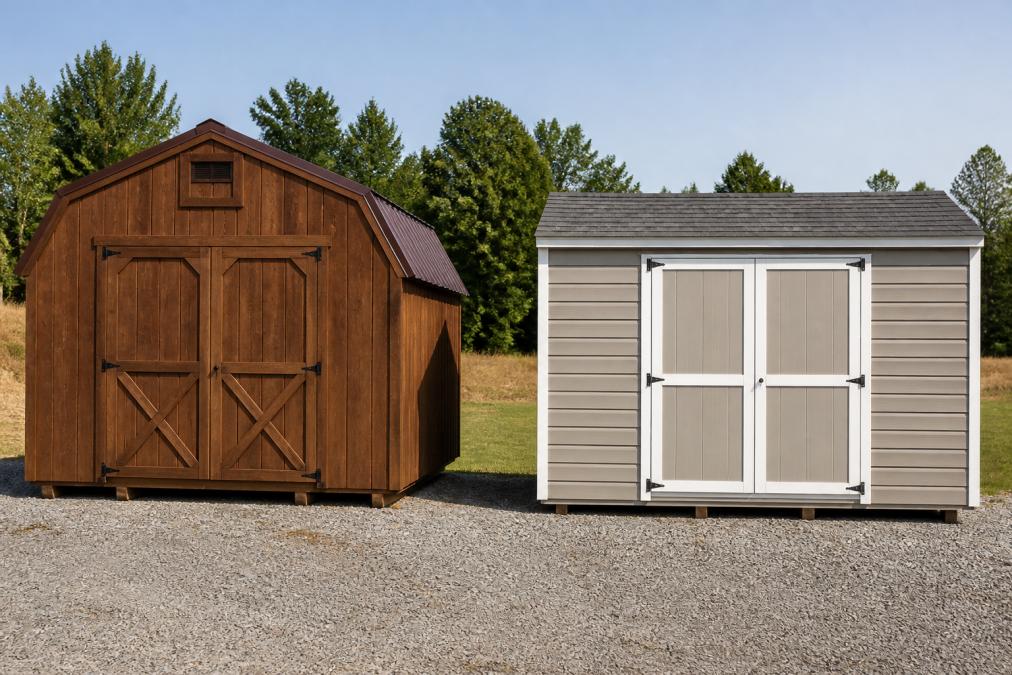
Amish-built sheds offer extensive customization. You can choose dimensions (8×10, 10×12, 12×16, or custom sizes). You can pick roof styles (A-frame, barn, gambrel, hip roof). You can select siding materials and colors. You can add windows, choose door styles and placement, add shelving or workbenches, include lofts for storage, or incorporate special features like a ramp for accessibility.
Factory sheds offer limited customization. You choose from preset options: maybe three roof styles, a handful of colors, standard dimensions. If your property has unique constraints, an uneven lot, a specific aesthetic you’re matching, unusual dimensions, factory sheds might not fit. Custom outdoor storage sheds from an amish builder can be designed to work with your property and your needs in ways factory options simply can’t.
This is where Riehl Structures’ approach makes a real difference. Our team works with you to design a shed that fits your space, your home’s style, and your specific storage needs. You’re not compromising on what you actually need because the standard options don’t quite work.
Shed Delivery and Installation Process
How your shed gets from the manufacturer to your property matters more than most people realize.
Site Preparation and Setup
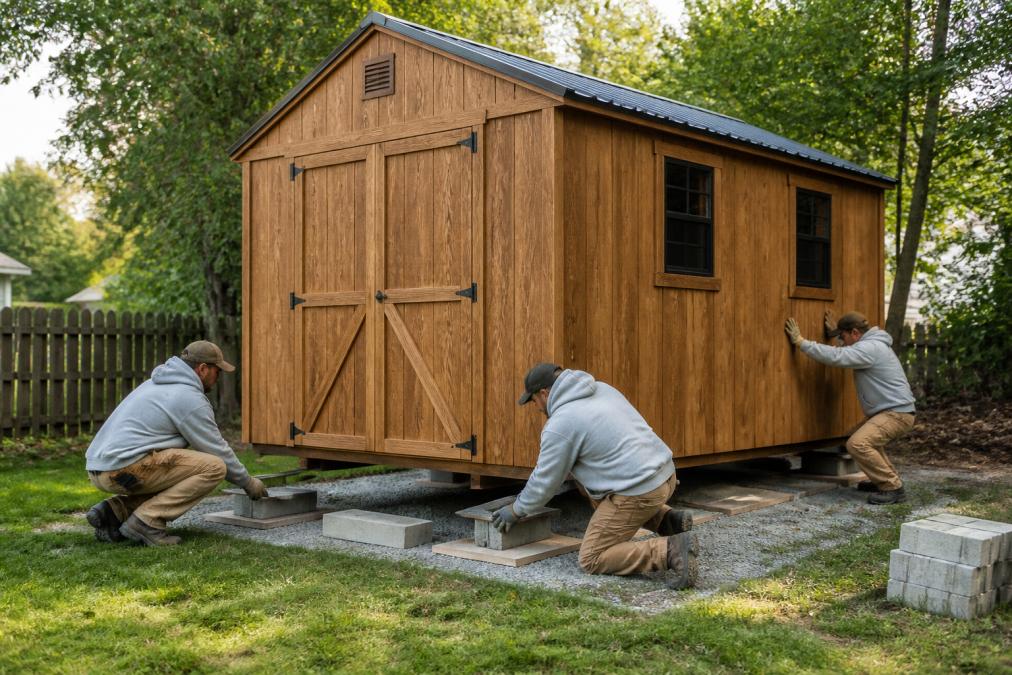
Factory sheds often arrive on a truck and get dropped in your driveway. You’re responsible for site preparation, foundation, and final positioning. If your yard slopes, if the ground is uneven, if you don’t have a level spot, that becomes your problem to solve, which might mean renting equipment or hiring help.
Amish builders typically handle site preparation as part of the delivery and installation. They assess your property, prepare the foundation (gravel, concrete blocks, or a proper base), level the structure, and ensure it’s positioned correctly. This service is included with many amish shed purchases, especially from local builders like Riehl Structures who offer free delivery within 30 miles of West Chester and King of Prussia. You don’t have to figure out how to level an uneven yard or worry about the shed settling unevenly over time.
Permits and Local Requirements
Most townships require permits for sheds over a certain size (typically 100-200 square feet, depending on local code). This is where many homeowners get stuck. They don’t know how to apply, what documentation is needed, or how long approval takes.
Amish builders in the local area are familiar with township requirements. They know what West Chester, Chester County, and surrounding areas require. They can help you navigate permits, provide the necessary drawings and documentation, and sometimes even handle the application process. Factory shed companies rarely offer this service. You’re on your own to figure out local regulations.
This is a real advantage for buyers who’ve never done a permit before. The process is straightforward when someone local walks you through it.
Cost Comparison: Initial Investment and Long-Term Value
This is where the tension between amish vs factory sheds becomes most visible.
Factory sheds have a lower upfront cost. You can buy a basic storage shed for significantly less than an amish-built equivalent. If budget is your only constraint, factory wins. But upfront cost and total cost of ownership are different things.
Amish-built sheds cost more initially because you’re paying for better materials, skilled labor, customization, and delivery with installation. However, you’re also paying for durability. A shed that lasts 25 years instead of 10 years is a different financial equation. You’re not replacing it in a decade. You’re not dealing with rotting siding, leaking roofs, or structural issues that force you to rebuild sooner than expected.
Long-term value also includes customization. A factory shed that doesn’t quite fit your space or your needs might work, but it’s a compromise. An amish-built shed that’s designed specifically for your property and your use case provides value that extends beyond the initial purchase price. You get exactly what you need, not what was convenient to manufacture.
Financing also matters. Riehl Structures offers flexible financing options, including rent-to-own plans with no prepayment penalties and no home equity requirement. This makes amish-built sheds accessible to more homeowners, spreading the cost over time rather than requiring a large upfront payment.
How to Make Your Decision
Start by answering these questions honestly:
Timeline: Do you need a shed in the next few weeks, or can you wait 4-8 weeks for a custom build? Factory sheds win on speed. Amish sheds require patience.
Customization: Does your property have specific constraints or do you want a shed that matches your home’s aesthetic precisely? Amish builders offer the flexibility. Factory sheds offer standardization.
Longevity: Are you planning to stay in your home for 10+ years? Amish sheds justify their higher initial cost through durability. If you’re planning to move in three years, factory might make sense.
Site conditions: Is your yard level and straightforward, or does it have slopes, drainage issues, or uneven ground? Amish builders handle difficult sites. Factory sheds assume a flat, prepared foundation.
Support: Do you want help navigating permits and site preparation, or are you comfortable handling that yourself? Local amish builders provide support. Factory companies typically don’t.
Budget flexibility: Can you invest more upfront for long-term value, or do you need the lowest possible initial cost? This determines whether amish or factory makes financial sense for your situation.
Many homeowners in the West Chester area don’t realize that site preparation costs can add $500-1,500 to a factory shed installation if your yard isn’t level. Amish builders typically include this in their service, which narrows the actual cost difference significantly.
For most homeowners in the local area who plan to stay in their homes long-term and want a structure that works with their property rather than forcing their property to work with the structure, amish-built sheds deliver better value. For those who need something immediately and have a straightforward, level property, factory sheds solve the problem efficiently.
Riehl Structures specializes in amish-built sheds designed specifically for the West Chester area and surrounding Pennsylvania properties. Our team handles the entire process, design, permits, site preparation, delivery, and installation, so you get a shed that’s built to last and built to fit your property perfectly. The 30-year reputation and customer testimonials speak to the durability and craftsmanship that comes with choosing amish-built quality.
Frequently Asked Questions
Are Amish-built sheds worth the extra cost?
Amish-built sheds typically cost more upfront, but the investment pays off through durability. These structures are hand-crafted using dimensional lumber and traditional techniques, often lasting 20-30+ years with minimal maintenance. Factory sheds may need replacement or significant repairs within 10-15 years. When you factor in replacement costs, Amish sheds offer better long-term value. The superior craftsmanship also means fewer weather-related failures and structural issues over time.
How long do Amish-built sheds last compared to factory models?
Amish-built sheds typically last 20-30+ years when properly maintained, thanks to quality dimensional lumber and expert joinery. Factory sheds, especially those made with thinner materials or mass-production shortcuts, often last 10-15 years before requiring repairs or replacement. The difference comes down to material thickness, construction methods, and attention to detail. Amish builders use time-tested techniques that resist weather damage, while factory models prioritize speed and cost reduction over longevity.
Can I customize an Amish shed to match my home's architecture?
Yes. Amish-built sheds offer extensive customization options including roof styles (A-Frame, Quaker, Hip Roof, Barn), siding materials, paint colors, door and window placements, and interior features like workbenches or lofts. This flexibility means your shed can match your home's existing aesthetic and meet your specific storage needs. Factory sheds typically come in standard configurations with limited color and style options, making it harder to achieve a cohesive look with your property.
What materials are typically used in high-quality Amish-built structures?
Quality Amish-built sheds use dimensional lumber for framing, durable siding options like James Hardie Board & Batten or Smart Tec siding, and real wood components. These materials are chosen for their resistance to moisture, rot, and weather damage. Proper ventilation and drainage systems are built in to prevent water damage. Factory sheds often use thinner materials, particle board, or lower-grade composites that deteriorate faster when exposed to moisture and temperature swings.
Choosing between amish and factory sheds comes down to what you value most: upfront cost savings or long-term durability and customization. If you’re looking for a structure that will serve your property for decades and be customized to your specific needs, amish-built sheds are the investment that pays off. Get a quote from Riehl Structures today and see how a custom-designed shed can transform your outdoor space with craftsmanship that lasts.
This article was written using GrandRanker

Copy Link