Best Backyard Storage for Lawn Mowers: A 2026 Comparison Guide
Copy Link
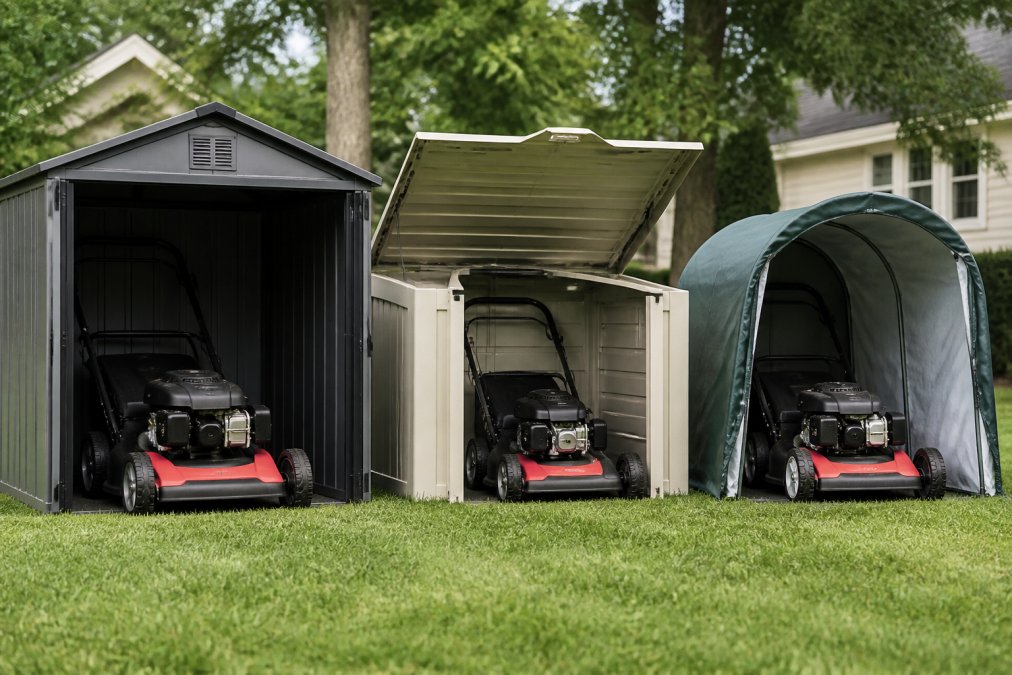
Table of Contents
- Types of Backyard Storage Solutions for Lawn Mowers
- Comparison Table: Storage Options by Type, Size, and Cost
- Resin Sheds vs. Metal Sheds vs. Wood Sheds: Which Material Wins
- How to Store a Riding Lawn Mower Outside Safely
- Best Lawn Mower Covers for Outdoor Storage and Weather Protection
- DIY Lawn Mower Storage Solutions for Small Yards
- Key Factors: Foundation, Ventilation, Security, and Zoning Compliance
- Conclusion
Last Updated: August 6, 2026
Types of Backyard Storage Solutions for Lawn Mowers
The best backyard storage for lawn mowers depends on your yard’s size, climate, and budget. Each solution offers different trade-offs between durability, cost, and ease of installation.
(/shed-vs-storage-box-small-yards/) Lawn Mowers]
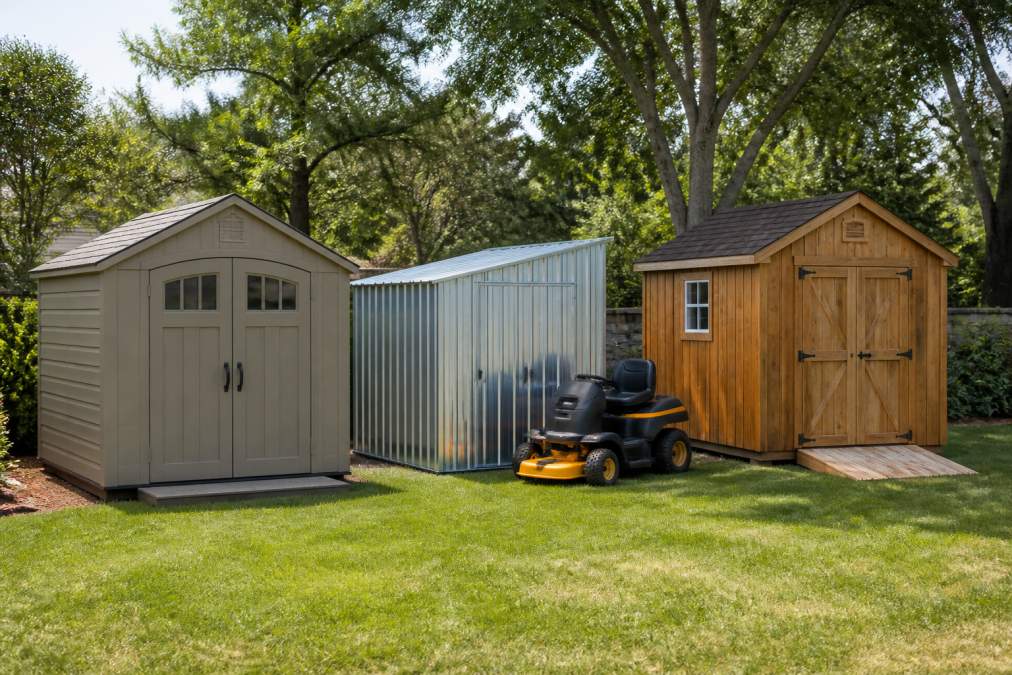
Resin sheds dominate the market because they’re low-maintenance and weather-resistant. Models like the Keter Factor 6×3 and Suncast Tremont 8×10 offer steel-reinforced walls and lockable doors, suitable for both push and riding mowers. The trade-off: they’re not as sturdy as metal or wood, and larger models can feel flimsy during assembly.
Metal sheds, typically galvanized steel, provide superior durability and security. Arrow Sheds resist dents and corrosion better than resin and suit harsh climates and heavier equipment. Assembly is more complex, and they require a separate foundation to prevent rust from moisture underneath.
Wood sheds like those from Heartland offer aesthetic appeal and customization. They complement traditional landscaping and can serve as workshops. The catch: wood requires regular maintenance, costs more upfront, and demands assembly expertise.
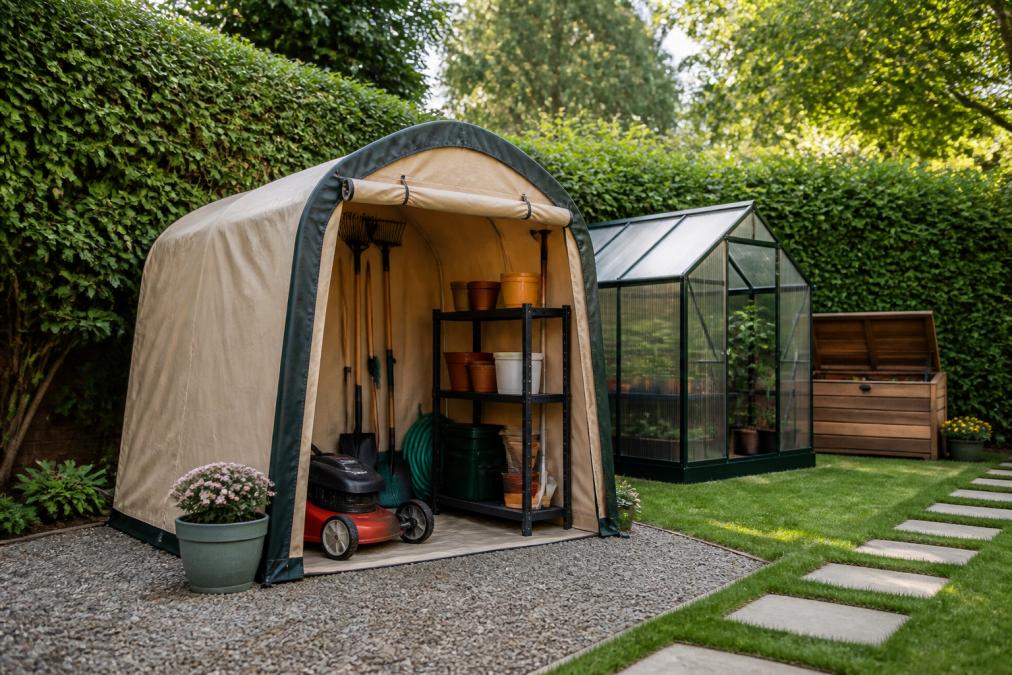
Portable fabric-frame sheds (ShelterLogic models) start under $300 and work as temporary solutions for renters. They lack the security and durability of permanent sheds.
Plastic storage bins like Rubbermaid ActionPacker totes work for push mower accessories and fuel cans but won’t fit riding mowers. They’re portable and lockable but require multiple units for comprehensive storage.
The single biggest mistake homeowners make is underestimating their storage needs. Buy a shed that feels 20% larger than you think you need, you’ll fill it with other tools, seasonal equipment, and supplies faster than expected.
Comparison Table: Storage Options by Type, Size, and Cost
| Storage Type | Best For | Typical Size | Weather Resistance | Security | Maintenance |
|---|---|---|---|---|---|
| Resin Shed | Push and riding mowers | 6×8 to 8×12 ft | Excellent | Good (lockable doors) | Minimal |
| Metal Shed | Heavy equipment, harsh climates | 5×3 to 10×12 ft | Excellent | Excellent | Low (galvanized) |
| Wood Shed | Aesthetic appeal, workshop use | 8×10 to 12×16 ft | Good | Good | High (painting/staining) |
| Fabric-Frame Shed | Temporary, seasonal storage | 6×6 to 8×10 ft | Fair | Fair | Low |
| Plastic Storage Bins | Accessories, fuel, small tools | 8-24 gallons | Good | Good (lockable) | Minimal |
Resin Sheds vs. Metal Sheds vs. Wood Sheds: Which Material Wins
Each material determines longevity, maintenance requirements, and cost over time.
Resin sheds excel at UV protection and weather resistance. Models like the Lifetime 10×8 use dual-wall high-density polyethylene (HDPE) construction with powder-coated steel frames. They won’t rust, peel, or rot. The slip-resistant HDPE floor protects against oil and solvents. Setup takes a weekend for most homeowners. The downside: resin feels less substantial than metal, and large models can develop stress cracks in extreme cold. They’re also not customizable.
Metal sheds deliver unmatched durability and security. Galvanized steel resists rust and dents better than any other material and has a narrower footprint than resin models of similar capacity. You can customize them with windows, garage doors, or custom colors. Assembly is labor-intensive (8-12 hours for larger models), and they need a level foundation to prevent moisture corrosion. Metal also conducts temperature extremes, so interior conditions swing wildly in summer or winter.
Wood sheds offer natural beauty and flexibility. They integrate seamlessly into landscaping and can be upgraded with shelving or workbenches. Treated wood resists rot for 15-20 years if maintained. The reality: painting or staining every 3-5 years is non-negotiable, or the structure deteriorates rapidly. Wood is also the most expensive upfront and requires the most assembly expertise.
For most homeowners, resin sheds are the sweet spot, they balance low maintenance, weather protection, and reasonable cost. Choose metal if you live in a harsh climate or need maximum security. Choose wood only if you’re willing to commit to regular maintenance.
According to the American Society of Home Inspectors, proper equipment storage directly impacts property value. A well-protected mower can last 15-20 years; unprotected equipment typically fails in 5-7 years.
How to Store a Riding Lawn Mower Outside Safely
Riding mowers require different storage considerations than push mowers due to their weight, value, and vulnerability to rust and fuel degradation.
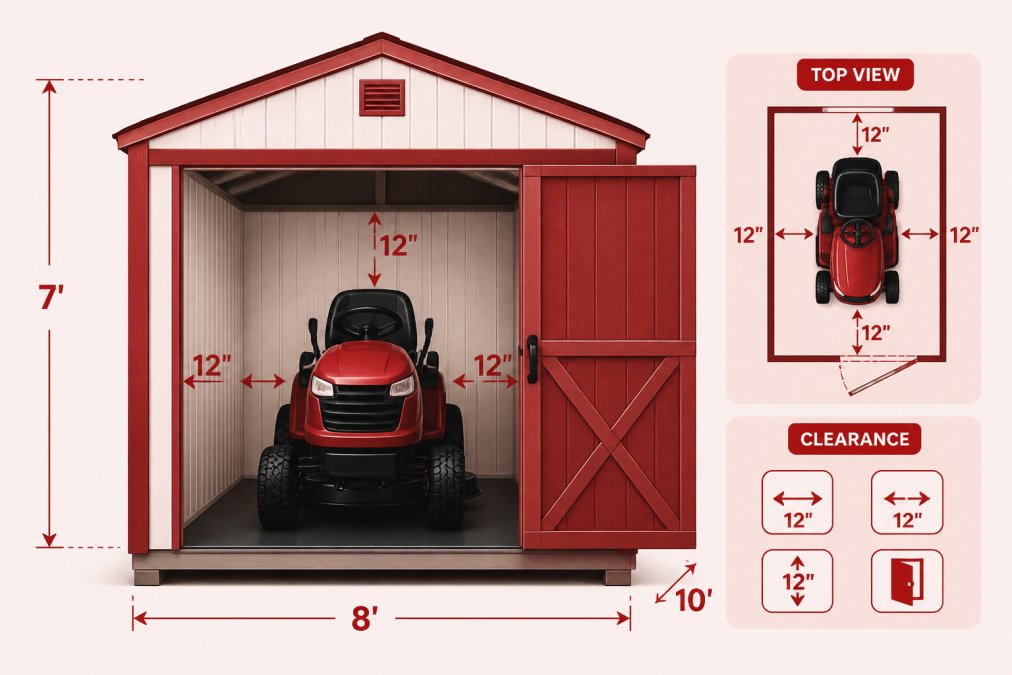
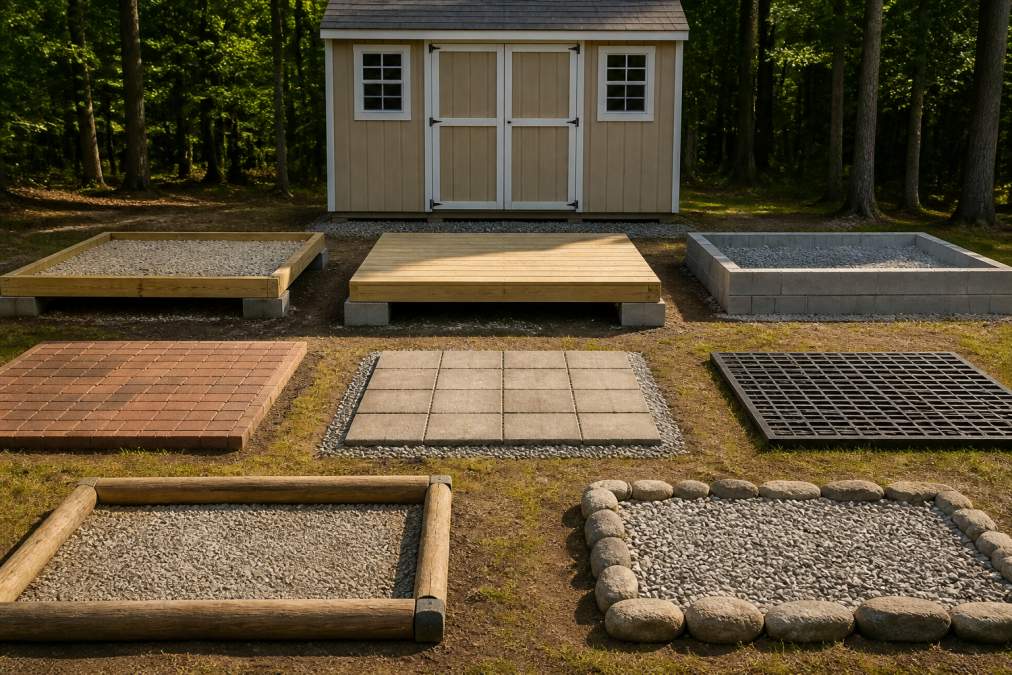
Start with foundation preparation. The shed must sit on level, compacted ground or a concrete pad. If the ground slopes, water pools underneath and corrodes the mower’s undercarriage. Pour a 4-inch concrete pad or use concrete blocks spaced evenly to prevent moisture buildup.
Ventilation is critical. Riding mowers produce condensation during temperature swings, and trapped moisture leads to rust on the engine block and fuel tank. Ensure your shed has vents on opposite walls to create cross-ventilation. Resin sheds typically include screened vents; metal sheds may need aftermarket vents added.
Drain fuel before storage if the mower will sit more than 30 days. Old fuel gums up carburetors and fuel injectors. Run the engine dry or use fuel stabilizer, then top off the tank with fresh fuel mixed with stabilizer. Store the mower on level ground inside the shed, never on a slope.
Check tire pressure monthly. Tires sitting under weight lose pressure and develop flat spots. Inflate to manufacturer specifications before storage and check monthly during off-season.
Cover the mower with a heavy-duty cover inside the shed for a second layer of protection against dust and moisture.
Never store a riding mower with fuel in the tank directly against the shed wall. Fuel vapors can corrode plastic or metal, and if fuel leaks, it stains the floor and creates a fire hazard. Keep the mower at least 2 feet from walls and maintain clear space around it for ventilation.
Best Lawn Mower Covers for Outdoor Storage and Weather Protection
A quality lawn mower cover protects against UV damage, moisture, and debris while balancing breathability with weather protection.
Look for covers made from multi-layer, ripstop polyethylene with UV protection. Single-layer tarps trap moisture underneath and accelerate rust. Dual-layer covers allow condensation to escape while blocking rain. The Palram SkyLight Shed uses 100% UV-protected polycarbonate panels, the same material used in commercial-grade covers.
For mowers stored outside, a fitted cover is better than a generic tarp. Fitted covers stay in place during wind and don’t sag or pool water.
Breathable covers prevent moisture buildup. If you use a standard tarp, ensure air can circulate underneath by propping the edges up slightly or using a cover with vents.
Size matters. A cover that’s too large creates pockets where water pools; one that’s too tight stretches and tears. Measure your mower’s dimensions and choose a cover within one size category.
For push mowers, a compact cover 5-7 feet long works fine. For riding mowers, you need 8-10 feet of coverage.
Replace covers every 2-3 years. UV exposure degrades polyethylene, and small tears create entry points for moisture.
DIY Lawn Mower Storage Solutions for Small Yards
Not everyone has space for a full shed. DIY solutions work well for urban yards, townhouses, or properties with zoning restrictions.
Vertical wall-mounted storage uses dead space on garage or house walls. Build a simple wooden frame from 2x4s and install horizontal bars to hold push mower handles, lifting the mower 6-8 feet off the ground. Cost: under $100. Time: 2-3 hours.
Lean-to structures against existing buildings cost roughly half what a comparable freestanding shed costs. Secure it to the building and ensure local fire codes allow it. Check with your township before building.
Pallet-based platforms create raised storage for push mowers. Stack pressure-treated pallets, secure them with bolts, and add a weatherproof cover. Cost: under $50. It’s not permanent but works for renters.
Horizontal storage racks inside garages use overhead space. Install 2×8 joists across the ceiling and bolt a simple wooden platform to them. Hoist the mower with a pulley system. This works only if you have 8+ feet of ceiling height and structural capacity to support the mower’s weight (typically 300-500 pounds).
PVC pipe frames with tarp covers create temporary enclosures. Build a simple dome or A-frame from PVC and drape a heavy-duty tarp over it. Cost: $80-150. Assembly: 4 hours. It’s not weatherproof long-term but works for seasonal storage.
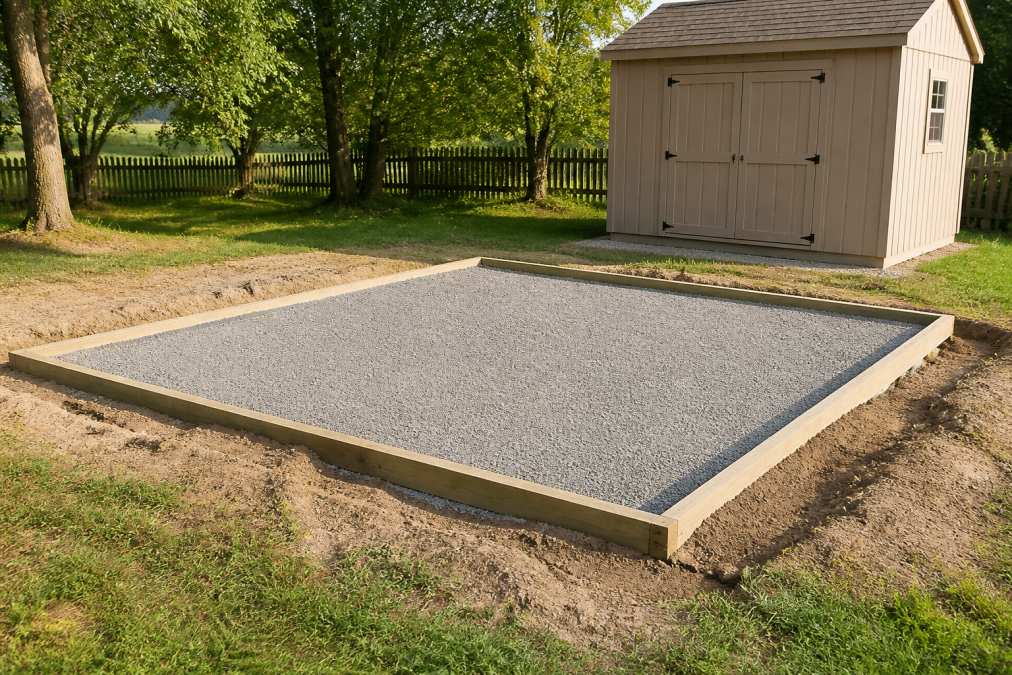
Concrete pad foundations are essential for any DIY structure. Dig out 4 inches, compact the soil, add gravel, and pour concrete. A 6×8 pad costs $200-400 and prevents ground moisture from corroding equipment.
Homeowners with yards under 2,000 square feet, renters needing temporary solutions, or properties with strict zoning rules that prohibit permanent structures.
Key Factors: Foundation, Ventilation, Security, and Zoning Compliance
Four factors determine whether your storage setup succeeds: where it sits, how air moves through it, whether it’s protected from theft, and whether it complies with local regulations.
Foundation and Ground Preparation
A proper foundation prevents moisture damage that costs far more than the foundation itself. Compact the ground, slope it slightly away from the structure, and add a 4-inch concrete pad or gravel base with landscape fabric underneath.
For sloped yards, a level foundation becomes even more critical. Skipping foundation prep can lead to equipment damage over time.
Ventilation and Humidity Control
Stagnant air inside sheds creates condensation that accelerates rust. Opposing vents (one high, one low) create natural airflow. Screened vents prevent insects and rodents from entering. If your shed lacks vents, add them, this is often a DIY job requiring a drill and a vent kit.
In humid climates, consider a small dehumidifier inside the shed during off-season months.
Security and Theft Prevention
Riding mowers are theft targets in urban and suburban areas. Lockable double doors with pad-lock hasps are standard on quality sheds. Metal sheds offer better security than resin because the lock mechanisms are stronger.
For added security, chain the mower to a fixed anchor inside the shed. A $30 chain and padlock prevent opportunistic theft.
Zoning and Fire Code Compliance
Before building or buying a shed, check local zoning ordinances. Many townships require setback distances from property lines (typically 5-10 feet), limit structure size without a permit (often 100-200 square feet), and require permits and inspections for larger structures.
Fire codes may restrict fuel storage inside residential sheds. Check with your local fire marshal before storing fuel inside.
According to the National Fire Protection Association, improper fuel storage causes hundreds of residential fires annually. Follow local guidelines strictly.
HOA restrictions are common in planned communities. Review your HOA covenants before purchasing or building a structure.
Permits protect you. A permitted structure adds value to your home and ensures it meets safety standards.
Conclusion
The best backyard storage for lawn mowers depends on your space, climate, and equipment type. Resin sheds offer the best balance of durability, low maintenance, and reasonable cost for most homeowners. Metal sheds excel in harsh climates and high-security situations. Wood sheds work if you’re willing to maintain them.
Foundation, ventilation, security, and zoning compliance determine whether your storage setup protects your investment or becomes a liability. If you’re in the Greater Philadelphia or Chester County area and want a custom-designed storage solution tailored to your specific yard conditions and equipment needs, Riehl Structures offers Amish-built sheds with flexible financing and free delivery within 30 miles. Their team handles site assessment, foundation planning, and hassle-free installation, with no prepayment penalties and no home equity required for financing. Get a quote from Riehl Structures and see how a properly built structure protects your equipment for 15-20 years.
Frequently Asked Questions
Can I leave my lawn mower outside in the rain without any protection?
No. Leaving your mower exposed to rain causes rust on metal components, fuel degradation, and moisture buildup in the engine. Even brief rain exposure damages the carburetor and fuel lines. A weather-resistant cover or storage shed is essential. If you must store outdoors temporarily, use a heavy-duty cover with ventilation holes to prevent condensation and moisture accumulation.
What is the best way to store a lawn mower without a shed?
Use a heavy-duty, weather-resistant mower cover with UV protection and ventilation. Store it on a level surface under a patio, carport, or covered porch. For riding mowers, a portable steel-frame shed or large storage tote works well. Elevate the mower slightly on wooden blocks to prevent ground moisture. Keep fuel stabilizer in the tank during off-season storage, and drain the gas before long-term storage to prevent fuel breakdown.
Do I need a special shed for a riding lawn mower?
Yes. Riding mowers require more space than push mowers. A shed should have at least 8×10 feet of floor space and a reinforced floor rated for heavy equipment weight (typically 500+ pounds). The shed must have adequate ventilation to prevent moisture buildup and rust. Resin sheds with heavy-duty flooring, metal sheds with rust-resistant coatings, or custom wood structures all work, but ensure the footprint and weight capacity match your mower's dimensions and weight.
How do I protect a lawn mower from rust when storing it outside?
Store it in a weather-resistant shed or under a protective cover with UV protection. Keep the storage area well-ventilated to prevent moisture buildup. Use fuel stabilizer before storage to protect the carburetor. For long-term storage, drain the fuel tank completely. Apply a light coat of oil to exposed metal parts, and keep the mower elevated off the ground on wooden blocks or a concrete pad to prevent ground moisture from corroding the undercarriage.
Are plastic or metal sheds better for storing lawn mowers?
Both work well but serve different needs. Plastic (resin) sheds resist rust and rot, require no maintenance, and handle UV exposure well, but may not suit extreme climates. Metal sheds are durable and secure but require rust-prevention coatings and maintenance. Resin sheds are better for moisture-prone areas and require less upkeep. Metal sheds offer superior security and longevity in dry climates. Choose based on your local climate, budget, and maintenance tolerance.
This article was written using GrandRanker

Copy Link