Alternatives to Building a Permanent Shed
Copy Link
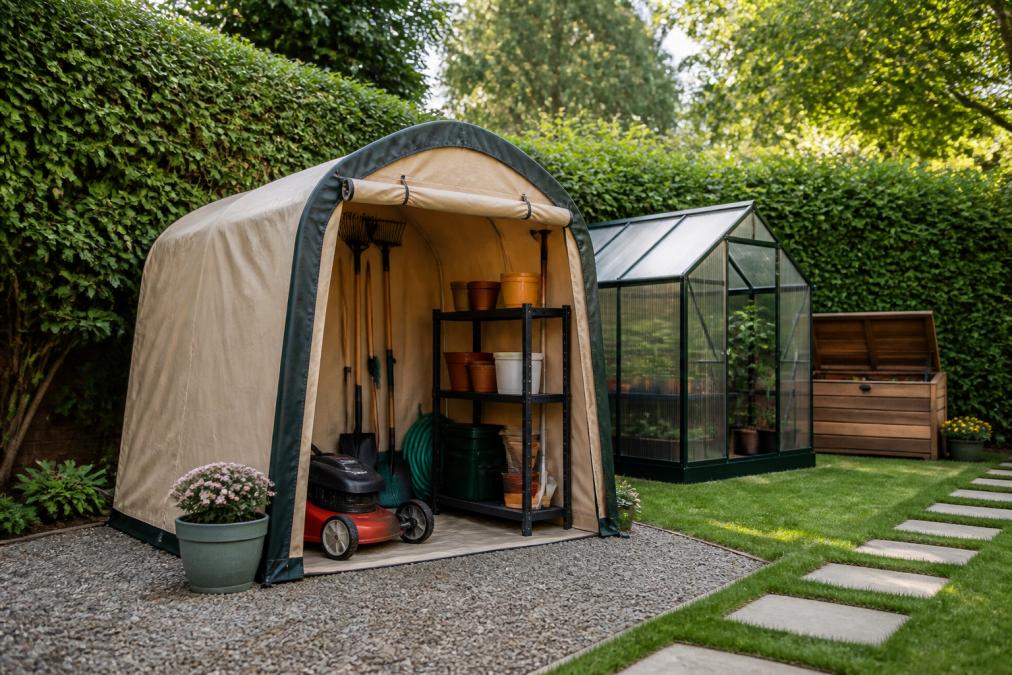
Table of Contents
- Why Homeowners Choose Alternatives to Building a Permanent Shed
- Portable Outdoor Storage Solutions
- Resin Deck Boxes and Plastic Storage Units
- Metal Carport-Shed Combos and Portable Garages
- Backyard Storage Permit Requirements and Legal Considerations
- Comparison Table: Storage Alternatives at a Glance
- How to Choose the Right Alternative for Your Backyard
- Conclusion
Last Updated: August 9, 2026
Why Homeowners Choose Alternatives to Building a Permanent Shed
Building a permanent shed requires significant investment, time, and often navigates complex zoning regulations. Many homeowners in West Chester and surrounding Pennsylvania communities discover that alternatives offer flexibility, lower upfront costs, and solutions tailored to their immediate storage needs without long-term commitment.
A permanent structure makes sense if you’re planning to stay decades and need maximum weather protection. But if you’re uncertain about long-term backyard plans, need storage within weeks, or want to avoid township permit headaches, portable and modular options deliver real value.
According to the National Association of Home Builders, homeowners cite flexibility and ease of installation as primary factors when choosing outdoor storage. This guide covers the most viable alternatives to building a permanent shed, from portable shelter systems to resin deck boxes to metal carport combos.
Portable Outdoor Storage Solutions
Portable outdoor storage solutions give you weather protection without permanent footers, concrete slabs, or township paperwork. These systems range from fabric-covered steel frames to heavy-duty storage tents and assemble quickly without triggering zoning questions.
Setup typically takes a weekend and costs far less than permanent construction. The trade-off is durability and security, a portable shelter won’t protect belongings with the same rigor as a solid-sided shed or add resale value.
Shed-in-a-Box Systems
A shed-in-a-box is a portable storage solution built around a steel frame and waterproof fabric cover. The frame ships flat and assembles on-site, while the cover tensioning system keeps weather out. Most models arrive in a single box and require two people and basic tools to set up in 4-6 hours.
These systems work best for seasonal storage of lawn equipment, garden tools, or infrequently accessed items. The fabric cover typically lasts 5-7 years before showing wear. ShelterLogic’s shed-in-a-box line ranges from 6×6 feet to 10×10 feet and larger configurations.
The real advantage emerges if your backyard situation changes. Moving a shed-in-a-box takes a day; moving a permanent shed requires heavy equipment and significant expense. For homeowners in West Chester uncertain about long-term property plans, this flexibility matters.
The fabric cover requires occasional cleaning to prevent mildew, and heavy snow accumulation demands regular clearing to prevent structural strain.
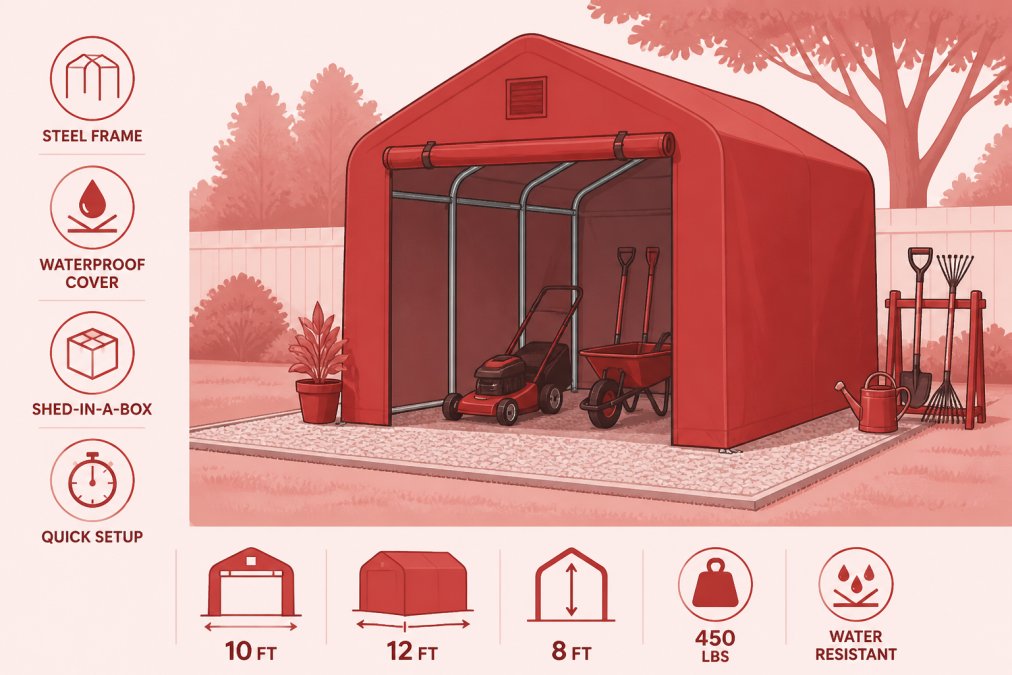
Heavy-Duty Storage Tents
Storage tents step up from shed-in-a-box systems in footprint and durability. These structures use heavy-gauge galvanized steel frames paired with industrial-grade PVC tarps engineered for extended outdoor exposure and long-term placement.
Alltents and Toughcover manufacture storage tents suitable for residential use, ranging from 10×20 feet to 20×40 feet and beyond. The larger footprint accommodates motorcycles, ATVs, lawn tractors, or significant equipment collections. Assembly typically requires 8-12 hours and benefits from a second person, though many dealers offer installation services.
A quality storage tent with proper anchoring can remain in place for a decade or longer. The PVC cover resists UV degradation better than standard polyethylene, and the galvanized steel frame won’t rust. For homeowners in Pennsylvania dealing with seasonal snow and ice, the structural integrity often exceeds cheaper shed-in-a-box alternatives.
Cost sits between portable shelters and permanent structures, more upfront than a shed-in-a-box, but far less than building permanent. The trade-off is aesthetics; a large storage tent looks industrial, which works on acreage but may clash in dense suburban neighborhoods.
Security remains a limitation. Heavy-duty storage tents feature lockable roll-up doors, but the fabric cover offers no real resistance to determined theft. For high-value equipment, a permanent structure with solid walls remains superior.
Resin Deck Boxes and Plastic Storage Units
Resin deck boxes are weather-resistant plastic containers ranging from small benches with storage underneath to larger units holding substantial volume. They sit directly on your patio, deck, or yard without foundation preparation.
No assembly beyond uncrating, no permits, no site preparation, a Keter or Suncast deck box arrives ready to use. For storing patio cushions, pool toys, gardening supplies, or seasonal decorations, a deck box works reliably and resists rot and rust by definition.
Capacity is modest compared to a shed. A large deck box might hold 150-200 gallons, while even a small permanent shed offers 500+ cubic feet. If you’re storing lawn equipment or significant seasonal inventory, a deck box won’t suffice.
Security is weak. A padlock deters casual theft but won’t stop determined break-ins. The plastic hinges and latches aren’t designed for serious security. Modern rattan-look or wood-grain finishes integrate better than stark plastic colors, helping them blend into suburban backyards.
Metal Carport-Shed Combos and Portable Garages
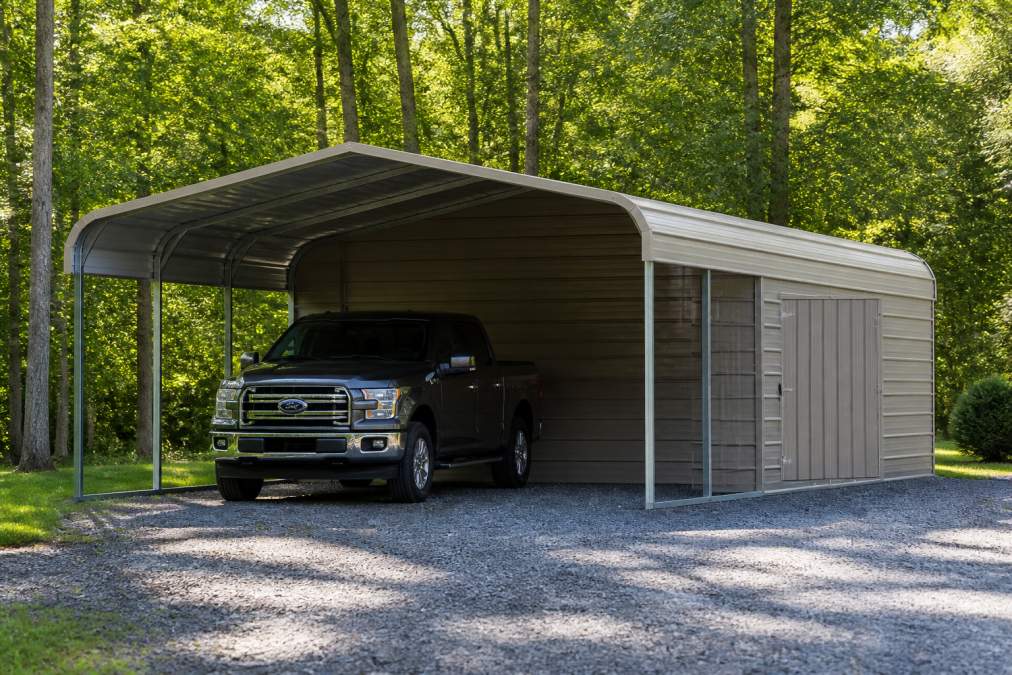
A metal carport-shed combo combines covered parking with a lockable storage area in a single structure. The carport section protects a vehicle or provides covered outdoor space, while an attached shed stores tools, equipment, or seasonal items. These are engineered structures that stop short of full permanent construction in many jurisdictions.
Alan’s Factory Outlet manufactures carport-shed combos in various configurations, with customizable prices and specifications. The structure uses galvanized steel and typically includes a roll-up garage door or walk-in door for the storage section. Professional installation is included.
The value proposition is compelling for homeowners needing both vehicle protection and secure storage. A combo addresses both needs in one footprint, often more cost-effectively than building separate structures. The structural integrity is significantly higher than portable alternatives, galvanized steel won’t rust, won’t blow over in wind, and handles snow load without concern.
Portable garages from Fisher Barns represent another category with actual flooring, roofing, and siding options. Construction quality is substantially higher than a shed-in-a-box, with real 2×6 floor joists and customizable roofing materials. While technically movable, relocation requires professional equipment, making them closer to permanent construction than truly portable solutions.
Backyard Storage Permit Requirements and Legal Considerations
Pennsylvania townships have different rules about what constitutes a "permanent structure" versus "temporary storage," determining whether you need permits, variances, or zoning approval.
A permanent shed typically triggers permit requirements if it exceeds certain size thresholds, usually 200-400 square feet depending on your township. Permanent means a structure with a permanent foundation, roof, and walls.
Portable structures often fall into a gray zone. A shed-in-a-box on a gravel pad with no permanent anchoring is usually classified as temporary storage and avoids permits. But anchoring it to footers or leaving it in place for years might trigger reclassification as permanent.
Resin deck boxes and small storage tents rarely trigger permits because they’re genuinely portable. But a large storage tent remaining year-round might be questioned by township code enforcement.
Contact your township zoning office before purchasing anything. In West Chester and Chester County, different municipalities have different thresholds. A 10×12 structure might be fine in one township and require permits in another.
Zoning regulations also address setback requirements, how far a structure must sit from property lines. A portable structure on your patio might have no setback requirement, while a permanent shed might need 10-15 feet from the property line.
Comparison Table: Storage Alternatives at a Glance
| Solution Type | Setup Time | Portability | Weather Protection | Security | Best For | Permit Likely |
|---|---|---|---|---|---|---|
| Shed-in-a-Box | 4-6 hours | High | Good | Low | Seasonal storage, renters | No |
| Heavy-Duty Storage Tent | 8-12 hours | Medium | Very Good | Low | Equipment, motorcycles | No |
| Resin Deck Box | 0-1 hour | High | Good | Low | Small items, cushions | No |
| Metal Carport-Shed Combo | Professional install | Low | Excellent | High | Vehicles + storage | Maybe |
| Portable Garage | Professional install | Low | Excellent | High | Vehicles, workshops | Maybe |
| Permanent Shed | 1-3 days+ | None | Excellent | High | Long-term storage | Yes |
How to Choose the Right Alternative for Your Backyard
Start with what you’re actually storing. This determines capacity, weather protection, and security requirements. Lawn mowers and hand tools need moisture protection but don’t require Fort Knox security. Expensive power equipment or valuable collections demand stronger solutions.
Next, assess your timeline. Are you storing items for a season or five years? Temporary needs favor portable solutions; decade-long storage justifies more durable structures. Homeowners in West Chester who’ve lived in properties 20+ years often regret not building permanent structures earlier, while those who moved within five years appreciated portable flexibility.
Contact your township zoning office and ask about size thresholds for permits, setback requirements, and whether temporary structures need approval. This 15-minute conversation clarifies what’s actually possible on your property.
Evaluate your property’s layout. An uneven yard with significant slope might make permanent shed foundations expensive, while a portable structure on a gravel pad works regardless of terrain. A small suburban lot might accommodate a resin deck box but not a large storage tent.
Think about resale and relocation logistics. If you’re moving within five years, a portable solution avoids whether a structure adds value or becomes the next owner’s problem. If you’re staying long-term, a permanent structure from Riehl Structures, built with Amish craftsmanship and custom-designed to match your property, often increases home value and provides decades of reliable storage.
Budget matters, but the cheapest option upfront isn’t always best value. A shed-in-a-box might cost $300-500, but replacing the fabric cover every five years adds up. A more durable structure costs more initially but delivers better long-term value.
Do you want the option to move, resize, or relocate your storage solution? If yes, portable alternatives make sense. If you’re confident about long-term needs and property plans, a permanent structure delivers superior durability, security, and property value.
The best alternative to building a permanent shed depends on what you’re storing, how long you need storage, and your township’s zoning rules. Portable solutions offer flexibility; permanent structures offer durability and value.
Conclusion
Alternatives to building a permanent shed range from simple resin deck boxes to sophisticated metal carport combos, each solving different storage challenges. The right choice depends on your specific needs, timeline, and local regulations.
If you’re in the West Chester or Chester County area and want a storage solution that combines durability with customization, Riehl Structures offers custom-designed sheds, garages, and outdoor structures built with Amish craftsmanship. With flexible financing options, free delivery within 30 miles, and no prepayment penalties, Riehl Structures makes it stress-free to get a permanent storage solution tailored exactly to your property. Get a quote now and discover how a quality structure can transform your backyard storage challenges into a solved problem.
Frequently Asked Questions
What is the cheapest alternative to building a permanent shed?
Resin deck boxes starting around $30-$50 offer the most affordable entry point for small-scale storage. For larger capacity, shed-in-a-box systems (fabric structures with steel frames) typically cost $225-$500 and provide significantly more space than deck boxes. Storage tents offer even greater coverage for temporary or portable storage needs. All three avoid foundation costs, building permits, and the labor associated with permanent shed construction, making them budget-friendly alternatives to traditional sheds.
Do I need a building permit for portable outdoor storage solutions?
Permit requirements depend on your local jurisdiction, the structure's size, and whether it qualifies as temporary or permanent. In Pennsylvania, portable structures like shed-in-a-box systems and storage tents typically do not require permits because they are designed to be movable and temporary. However, metal carport-shed combos and portable garages may trigger permit requirements if they exceed certain dimensions or appear semi-permanent. Contact your local township or zoning office in West Chester or Chester County to confirm requirements before installation, as regulations vary by municipality.
What are the main differences between resin, metal, and fabric storage alternatives?
Resin deck boxes are lightweight, low-maintenance, and aesthetically pleasing but offer limited capacity. Metal structures (carports, portable garages) provide superior durability, weather resistance, and structural integrity, making them ideal for long-term use and heavier loads. Fabric storage tents and shed-in-a-box systems are the most portable and affordable but have shorter lifespans and less security. Choose resin for small decorative storage, metal for vehicles and equipment, and fabric for temporary or flexible storage needs.
Can I relocate a portable storage structure if I move houses?
Yes, portable alternatives like shed-in-a-box systems, storage tents, deck boxes, and some portable garages are designed for relocation. This makes them ideal if you anticipate moving within a few years or want flexibility to reconfigure your backyard. Metal carport-shed combos can sometimes be disassembled and relocated, though the process is labor-intensive. Permanent sheds, by contrast, are fixed to foundations and cannot be moved, making portable alternatives a smart choice for renters or those with uncertain long-term plans.
This article was written using GrandRanker

Copy Link