Benefits of Professional Gazebo Installation
Copy Link
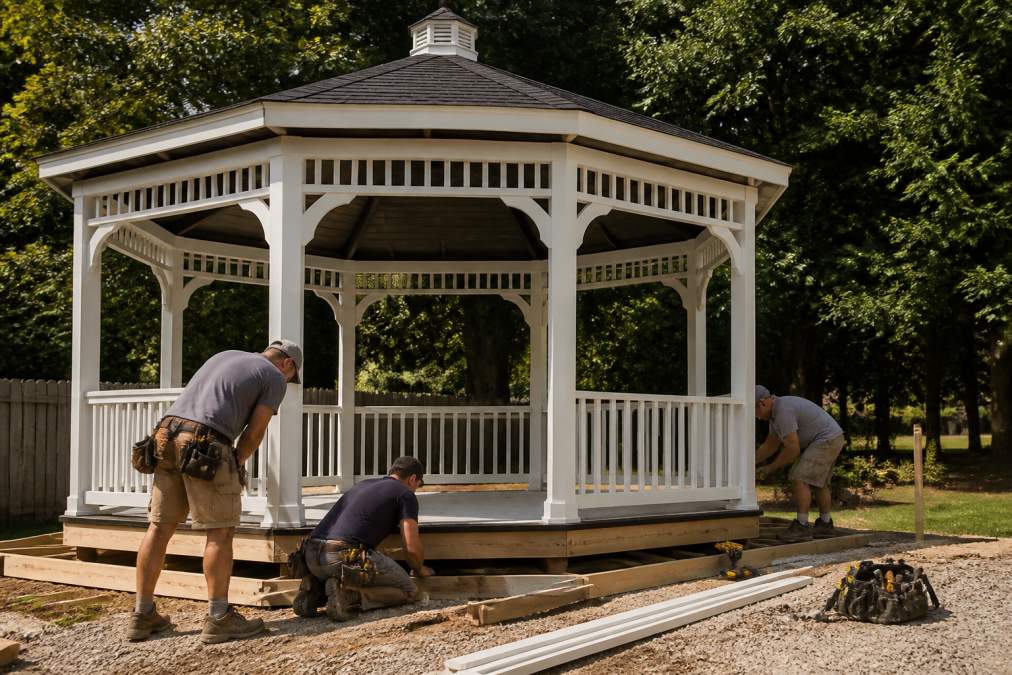
Table of Contents
- Why Professional Gazebo Installation Protects Your Investment
- Safety, Structural Integrity, and Long-Term Durability
- Gazebo Permit Requirements in Chester County: What Homeowners Should Know
- How to Prepare Your Backyard for Gazebo Installation
- Gazebo Installation Cost in West Chester PA: What Affects the Price
- How Professional Installation Affects Your Warranty and Financing Options
- DIY vs. Professional Gazebo Installation: What Most Homeowners Get Wrong
- Frequently Asked Questions
Last Updated: September 14, 2026
Why Professional Gazebo Installation Protects Your Investment
Professional gazebo installation is the practice of having a qualified, experienced crew handle site assessment, foundation work, assembly, and anchoring rather than assembling a kit yourself. It protects the money you’ve already spent on the structure.
Here’s the core argument of this guide: installation quality, not the kit itself, determines whether your gazebo lasts five years or twenty-five.
A gazebo is a permanent outdoor structure, and it behaves like one. It catches wind like a sail, it sits on ground that moves with frost and rain, and it carries snow loads every winter. A kit’s instruction manual assumes ideal conditions. Your backyard rarely provides them.
Below, we’ll break down what professional installation actually protects, what it costs in the West Chester area, and where DIY attempts typically fail.
Safety, Structural Integrity, and Long-Term Durability
The biggest safety risk with a gazebo isn’t the frame collapsing during a party. It’s slow, invisible failure: fasteners loosening, posts shifting, and connections weakening until a strong storm finishes the job.
A professional crew addresses three things most homeowners underestimate:
- Anchoring. A gazebo must be anchored to footings rated for uplift, not just staked into soil. Wind gets underneath the roof and pushes up, not just sideways.
- Leveling. On sloped ground, an unlevel frame distributes weight unevenly. One post carries more load than the others, and joints wear faster.
- Connection torque. Bolts and brackets need consistent tightening to manufacturer specification. Hand-tightening by feel leaves some connections loose and others overstressed.
Skipping proper footings to save time is the single most common DIY error. The consequence isn’t a wobbly gazebo next week; it’s a structure that shifts a few inches each season until the roof panels separate and leak.
Gazebo Permit Requirements in Chester County: What Homeowners Should Know
Gazebo permit requirements in Chester County depend on your township, the structure’s size, and whether it’s attached to your home or freestanding. Most municipalities require a permit for larger or permanently anchored structures, while smaller moveable units often fall under exemption thresholds.
The honest answer is that rules vary by township, and no single guide can tell you exactly what West Chester borough versus a surrounding township will require. What matters is checking before you build, not after.
Here’s what typically triggers a permit review:
- Permanent footings or foundations
- Structures above a certain square footage
- Electrical work for lighting or fans
- Placement near property lines or easements
This is where a local installer earns their keep. A local installer familiar with the area can help navigate which townships ask for site plans, which require setback documentation, and how long approval usually takes. Homeowners can verify current requirements directly through their township office or the Pennsylvania Uniform Construction Code guidance, which sets the baseline many local codes build on.
Handling paperwork yourself is possible. It’s also where a lot of projects stall for weeks.
How to Prepare Your Backyard for Gazebo Installation
Preparing your backyard means clearing the site, confirming utility locations, and grading or leveling the ground so the installation crew can start immediately. Good preparation shortens install day and prevents surprise costs.
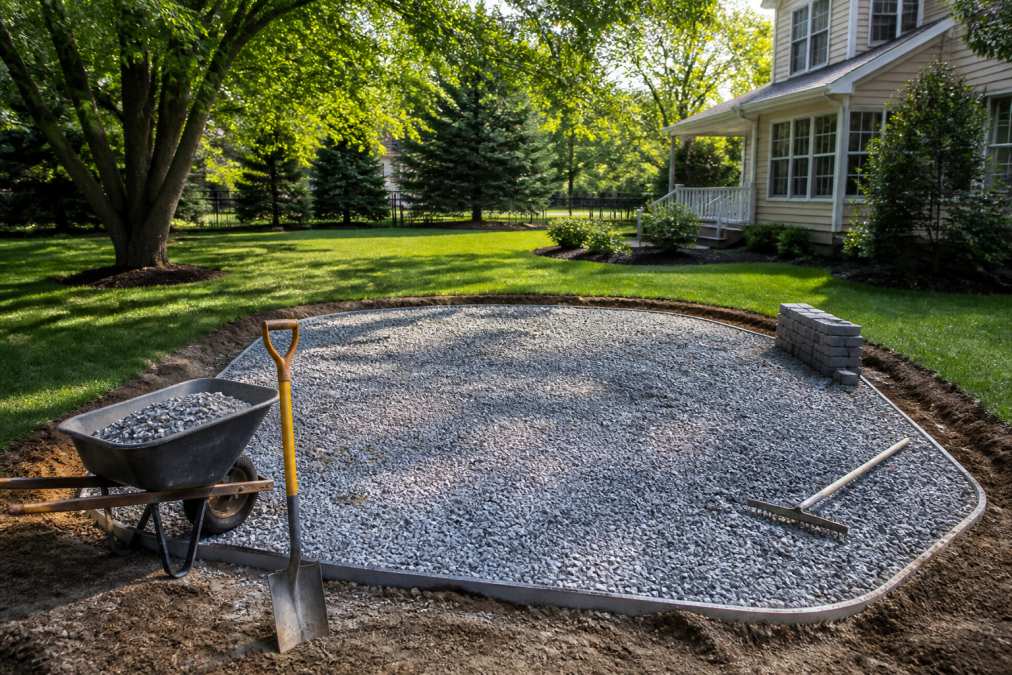
Start with a simple walkthrough:
- Mark the proposed footprint with stakes and string
- Call 811 to have underground utilities flagged before any digging (811 Before You Dig)
- Clear grass, roots, and debris from the pad area
- Note drainage patterns; water should flow away from the site, not toward it
- Check access: can a delivery truck and crew reach the site without crossing a fence or garden bed?
That last point matters more than people expect. If a structure has to be carried through a narrow gate or over a retaining wall, labor time goes up, and so does the quote.
Gazebo Installation Cost in West Chester PA: What Affects the Price
Gazebo installation cost in West Chester PA depends on site conditions, structure size, foundation type, and whether the structure arrives as a kit or a custom build. There is no single number, and any quote that doesn’t follow a site visit should be treated with suspicion.
The factors that move the price most:
| Cost Factor | What Drives It | Typical Impact |
|---|---|---|
| Site access | Distance from truck to pad, gates, slopes | Moderate to high |
| Foundation type | Gravel pad, concrete footings, deck | High |
| Structure size | Square footage and roof complexity | High |
| Assembly complexity | Kit vs. custom, enclosed roof systems | Moderate |
| Permit and inspection | Township requirements, site plans | Low to moderate |
| Electrical | Lighting, fans, outlets | Moderate |
Two homes on the same street can get very different quotes because the ground and access differ. That’s normal, and it’s why a site visit precedes any real number. Riehl Structures provides free delivery within 30 miles of its West Chester and King of Prussia locations, and custom quotes follow a walkthrough of your actual yard.
Ask any installer whether their quote includes site preparation and anchoring hardware. Some quotes look lower because those line items appear later as change orders.
How Professional Installation Affects Your Warranty and Financing Options
Professional installation typically keeps your manufacturer warranty valid, while DIY assembly can void it. Most gazebo and outdoor structure warranties require installation to manufacturer specification, and a self-assembled unit with visible shortcuts gives the manufacturer grounds to deny a claim. Ensuring structural integrity through hiring professional installers provides a consistent standard of workmanship that extends well beyond the assembly of garden structures to include other major property improvements.
That’s the part most homeowners don’t think about until something fails. A cracked roof panel or a bent bracket in year three is a warranty conversation, and the first question is always who installed it and how.
Financing adds a second layer. Many homeowners assume they need a home equity line to afford a quality structure. They don’t. Rent-to-own and installment financing options exist that require no home equity, and reputable programs carry no prepayment penalty, so paying off early costs nothing extra.
The Consumer Financial Protection Bureau’s guide to installment loans is worth reading before signing any financing agreement, particularly around total cost and early payoff terms.
What most guides miss is that installation and financing are connected decisions. A structure installed correctly the first time doesn’t need repairs financed later.
DIY vs. Professional Gazebo Installation: What Most Homeowners Get Wrong
The DIY-versus-professional debate usually centers on money. That framing misses the real variable: total cost of ownership over the life of the structure.
DIY makes sense in narrow cases. A small, moveable gazebo on a flat, well-drained patio, assembled by someone comfortable with tools, can work fine. That’s a real scenario, and it’s not worth paying a crew for.
It stops making sense when any of these are true:
- The structure is permanently anchored
- The ground slopes or drains poorly
- The roof system is enclosed or complex
- The kit requires more than two people to lift components
- Local permits are involved
In those cases, the DIY savings often get spent later on repairs, re-leveling, or premature replacement. The structure doesn’t fail dramatically. It just never performs the way it should.
Riehl Structures offers Amish-crafted gazebos, pavilions, and pergolas with custom design services, so the structure fits your yard rather than forcing your yard to fit a kit. The team also handles delivery, and with 30+ years in business, they provide high-quality craftsmanship. Homeowners comparing local options near me should weigh craftsmanship and installation support together, not separately.
A gazebo should be the spot where your family gathers for a decade of summer evenings, not a maintenance problem you inherited from a rushed weekend project. Getting installation right the first time is what separates the two. Riehl Structures offers Amish-built gazebos and custom outdoor structures, free delivery within 30 miles of West Chester and King of Prussia, and flexible financing with no prepayment penalties and no home equity required. Get a quote from Riehl Structures and start planning a backyard structure built to last.
Frequently Asked Questions
Is it worth hiring a professional to install a gazebo?
For most homeowners, yes. Professional gazebo installation ensures the structure is level, properly anchored, and built to withstand wind and weather. It also reduces the risk of costly mistakes like uneven footings or missing hardware. If your gazebo came as a kit, a professional can assemble it in a fraction of the time and often catches issues that DIYers miss. The upfront cost is usually offset by avoided repairs and a longer-lasting structure.
Do I need a permit for a gazebo in West Chester, PA?
Permit rules vary by township in Chester County. Many municipalities require a building permit for gazebos above a certain size or height, and some also require zoning approval for placement. Before you buy, check with your local township office. Professional installers familiar with Chester County regulations can help you determine what’s needed and prepare the right paperwork, saving you time and avoiding fines.
How does professional installation affect the warranty of my gazebo?
Most manufacturers require professional installation to keep the structural warranty valid. If you assemble a gazebo yourself and something fails, the manufacturer may deny a claim due to improper installation. Hiring a qualified installer means the work is done to spec, and you’ll have documentation to support any future warranty claims. Always confirm the installer follows the manufacturer’s guidelines and provides a written record of the installation.
What are the risks of DIY gazebo assembly?
DIY assembly can lead to uneven leveling, weak anchoring, and missed steps in complex roof systems. These issues may not show up immediately but can cause structural failure over time, especially in high winds. You also risk voiding the warranty and spending 6 to 12 hours on a job that professionals complete faster. If you’re not comfortable with tools or working at height, professional installation is the safer choice.

Copy Link