Backyard Shed Installation Cost Breakdown for 2026
Copy Link
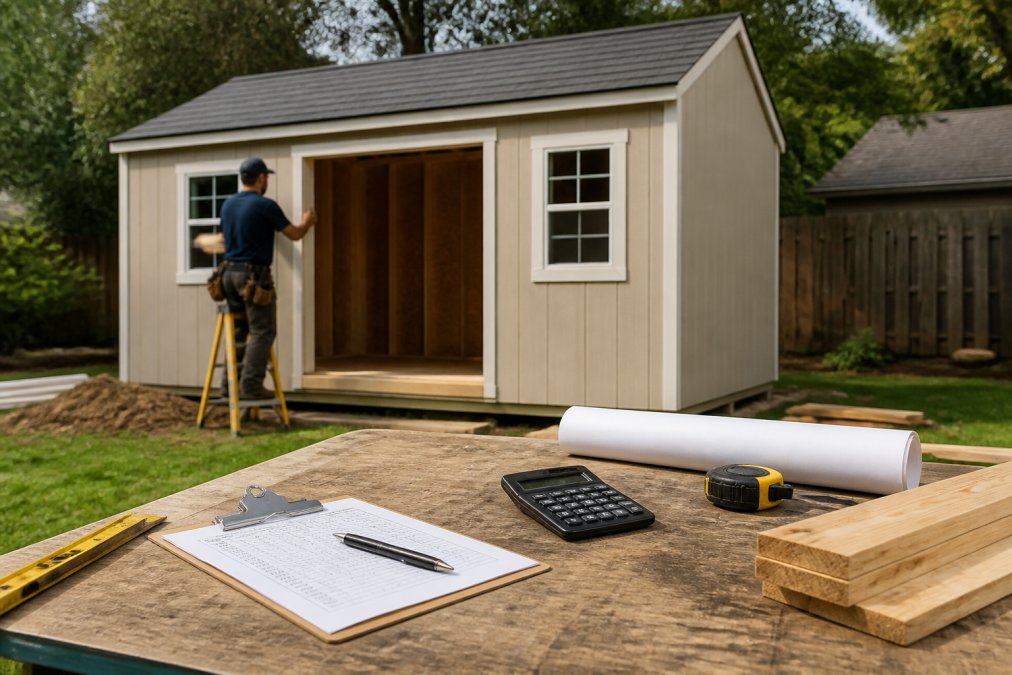
Table of Contents
- Backyard Shed Installation Cost Breakdown: What Drives the Final Price?
- Shed Site Preparation Requirements: The First Cost Variable
- PA Building Permit Requirements for Sheds: Fees and Timelines
- Material Choices That Change Your Shed Installation Cost
- Labor and Delivery: What Professional Installation Includes
- Custom Shed Financing Options: Managing the Total Investment
- Common Mistakes That Inflate Your Final Bill
- Frequently Asked Questions
Last Updated: September 9, 2026
Backyard Shed Installation Cost Breakdown: What Drives the Final Price?
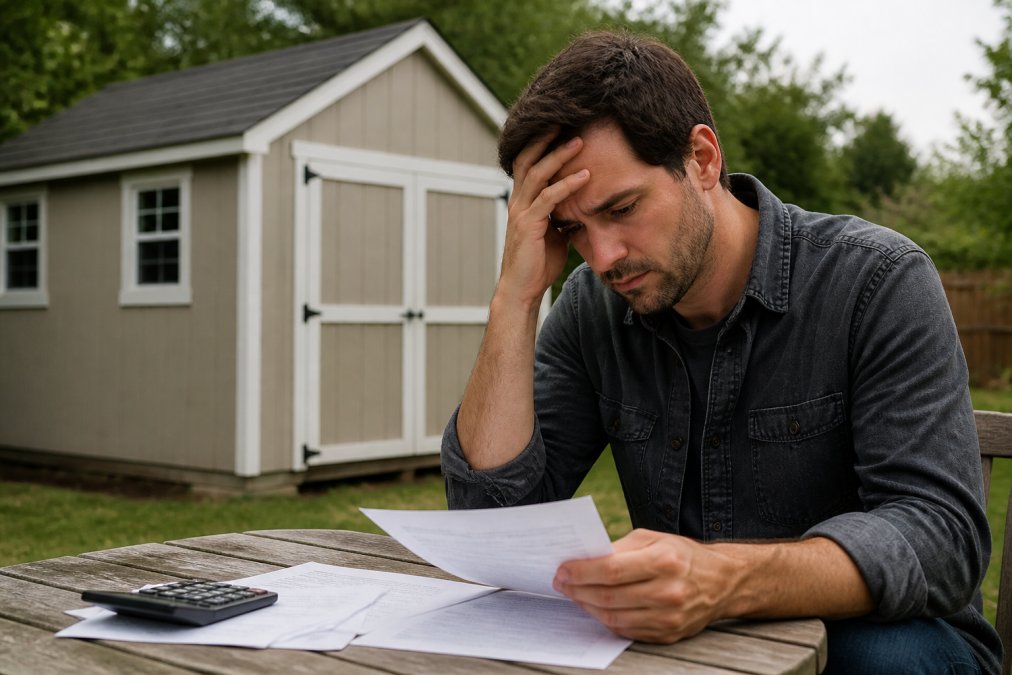
A backyard shed installation cost breakdown for 2026 starts with one honest truth: the price you see online is rarely the price you pay. The final figure depends on site conditions, local permitting, material quality, and how much work you handle yourself. At Riehl Structures, we’ve helped homeowners across West Chester, PA, plan these projects for over 30 years, and the most common surprise is how much the groundwork and paperwork add to the total.
The shed itself is only part of the investment. A complete cost breakdown must account for four main categories: site preparation, building permits, the structure itself, and professional installation. Most buyers focus on the structure price first, but the other three categories often determine whether your project comes in under budget or creeps past it. Below, we’ll walk through each cost driver so you can budget accurately before you commit.
Shed Site Preparation Requirements: The First Cost Variable
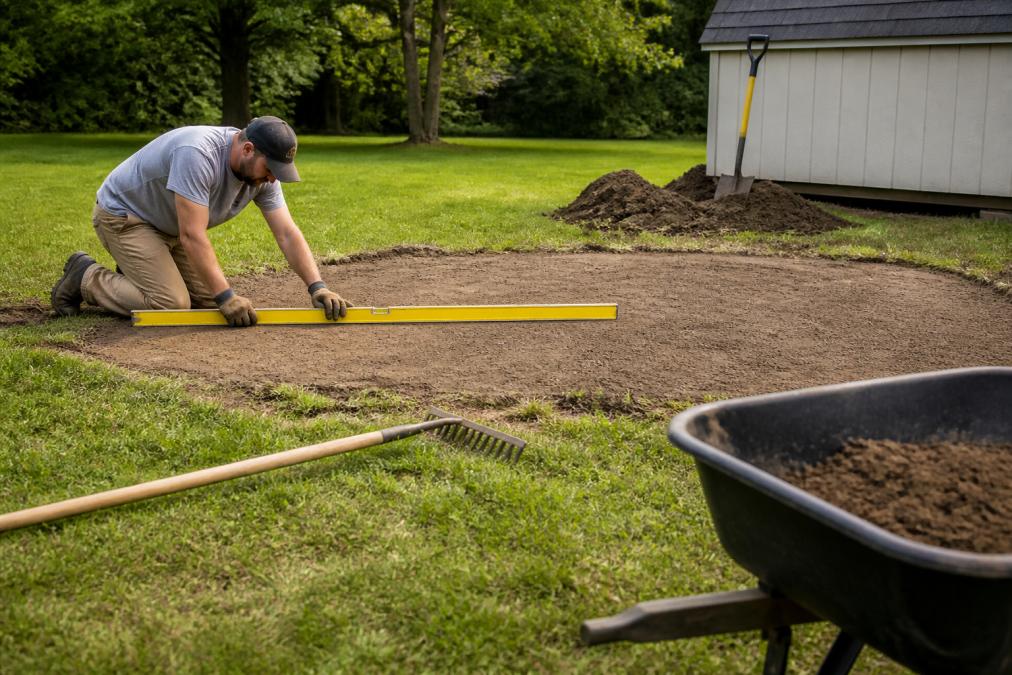
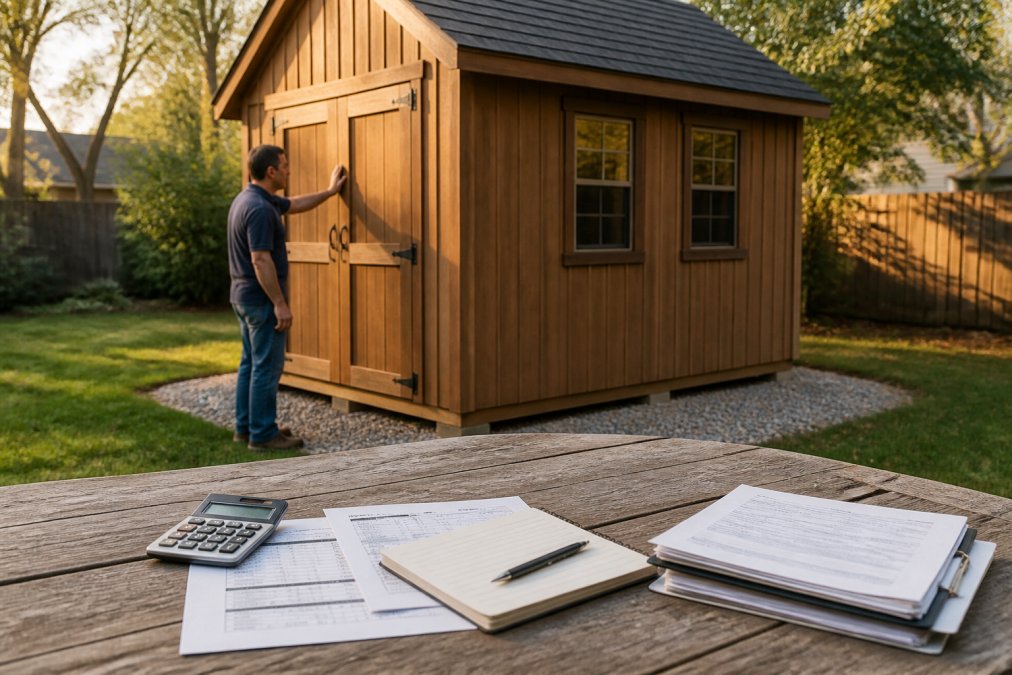
Shed site preparation requirements vary more than any other factor in your budget. A flat, level yard with firm soil needs minimal work, while a sloped lot can add significant expense before the shed ever arrives.
Start by evaluating your location for three things: level ground, drainage, and access. Water pooling under a shed leads to premature floor rot, so the site must slope slightly away from the structure (extension.psu.edu). For most installations, a gravel pad is the standard foundation because it provides drainage and a stable base without the cost of a full concrete slab.
The scope of prep work depends on what you find:
- Level, firm ground: minimal grading, a few hours of labor
- Moderate slope: soil removal and gravel fill, often a full day
- Severe slope or soft soil: retaining walls or extended grading, which adds the most cost
A common mistake is skipping proper site prep to save money upfront. That decision often leads to settling, moisture damage, and doors that stick within a few years. Check with local building officials about shed site preparation requirements near me, since some townships in PA have specific foundation standards for structures above a certain size.
PA Building Permit Requirements for Sheds: Fees and Timelines
PA building permit requirements for sheds depend entirely on your township or municipality. There is no single statewide rule, which catches many first-time buyers off guard. Some townships require permits for any structure over a certain square footage, while others have specific setback requirements from property lines.
The permit process typically involves submitting a site plan that shows where the shed will sit relative to your property boundaries. Fees are usually modest, but the timeline matters more than the cost (pa.gov). Many municipalities take several weeks to review applications, so factor that into your schedule.
Call your township zoning office before you order the shed, not after. Knowing the setback rules and size limits first prevents the expensive problem of ordering a structure that won’t legally fit on your property.
Most professional installers in Pennsylvania are familiar with local requirements, but the permit itself is ultimately the homeowner’s responsibility. If you are working with a local company like Riehl Structures, ask whether they can guide you through the paperwork or recommend which township office to contact. A qualified contractor handles the process regularly and can flag issues before they become delays.
Material Choices That Change Your Shed Installation Cost
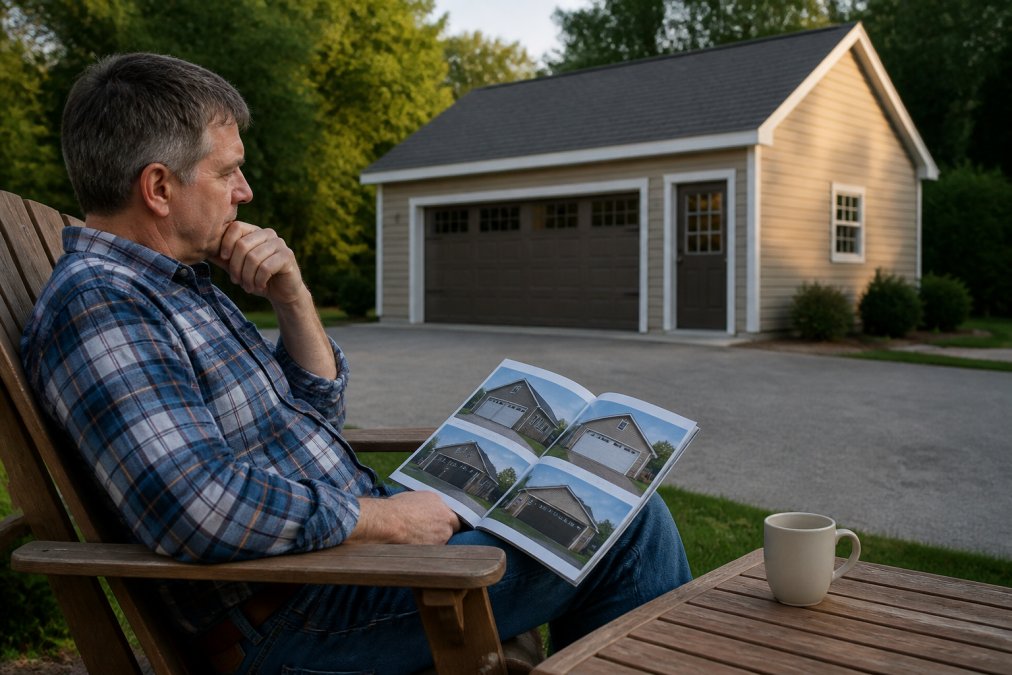
The materials you choose directly shape your shed installation cost, and this is where quality differences become visible. Pressure-treated lumber, siding type, and roofing materials all carry different price points and lifespans.
The biggest decision is typically between a mass-produced shed and one built with traditional methods. Cheaper options often use thinner siding and framing lumber that warps over time. Higher-quality builds use materials that stand up to Pennsylvania’s freeze-thaw cycles, which can be brutal on outdoor structures.
Here is what changes the price:
- Floor framing: thicker joists and pressure-treated skids add cost but prevent sagging
- Siding: LP SmartPanel or similar engineered wood costs more than thin plywood but resists moisture
- Roofing: architectural shingles outlast basic three-tab options
- Paint and trim: factory-primed and painted surfaces save you maintenance later
A common mistake is comparing prices without comparing material specifications. Two sheds that look identical in photos can differ dramatically in lumber grade and fastener quality. When evaluating options, ask about the actual thickness of the wall studs and the type of flooring used, since these determine how long the structure lasts.
Labor and Delivery: What Professional Installation Includes
Professional installation covers more than dropping a shed in your yard. A complete service includes delivery, placement on your prepared foundation, and final setup. The cost varies with travel distance, site access, and whether the installer handles the full scope of work.
Delivery logistics matter more than most buyers expect. A standard box truck needs roughly 10 to 12 feet of clearance and a reasonably level path to the installation site (fmcsa.dot.gov). Narrow gates, low-hanging branches, or utility lines can make a straightforward delivery complicated. Some companies will only drop the shed at the curb, leaving you to move it into place, which is a significant problem for a heavy structure.
Confirm whether delivery includes actual placement on your foundation. Some companies drop the shed in the driveway and leave, and homeowners are then stuck trying to move a multi-ton structure themselves. That is an expense and a headache no budget accounts for.
When you choose a turnkey provider, the installation team typically handles the delivery, positioning, and any final adjustments. For homeowners in the West Chester and King of Prussia areas, choosing a local installer who knows the terrain and township requirements reduces the risk of delivery-day surprises. A local crew also makes it easier to address any issues after installation, since they are not traveling from far away.
Custom Shed Financing Options: Managing the Total Investment
Custom shed financing options make a higher-quality structure accessible without draining your savings. Many homeowners assume they need home equity or perfect credit to finance an outdoor structure, but that is not always the case.
Financing structures like Rent to Own allow you to spread the cost over time without requiring home equity. The key is understanding the terms before you commit. Look for agreements with no prepayment penalties, which let you pay off the balance early without extra fees. This flexibility means you can take a shorter term if your budget allows or a longer one if you need lower monthly payments.
A practical approach is to calculate the total cost of the structure, site prep, and permits first, then compare that against your financing options. Some providers offer flexible plans that work with your cash flow rather than forcing a one-size-fits-all payment schedule. When comparing offers, ask specifically about early payoff terms and whether the total cost changes based on the term length you choose.
Common Mistakes That Inflate Your Final Bill
Several predictable errors turn a reasonable budget into an expensive project. Knowing these pitfalls before you start saves real money.
Skipping the site survey. Ordering a shed before checking your yard’s slope and access points leads to surprise grading costs or delivery problems. Always evaluate the site first.
Ignoring permit requirements. Building without a permit can result in fines and, worse, an order to move the structure. That cost far exceeds the permit fee.
Choosing price over quality. The cheapest shed often needs replacement or major repairs within a few years. A well-built structure lasts decades, making it the better value over time.
| Mistake | Real Consequence | Better Approach |
|---|---|---|
| Skipping site prep | Settling, moisture damage, stuck doors | Install a proper gravel foundation |
| Ignoring permits | Fines, forced relocation of shed | Check township rules before ordering |
| Cheapest material choice | Warping, rot, early replacement | Compare lumber grade and siding specs |
| Assuming delivery includes setup | Structure left at curb, no placement | Confirm full installation scope in writing |
The most expensive mistake is rushing the decision. Take time to compare what each provider actually includes in their price, from the foundation work to the delivery terms. A reputable local company will be transparent about what their quote covers and what it does not.
Planning a shed installation cost breakdown for 2026 does not have to be overwhelming. The key is understanding every line item before you sign, from site preparation to permits to the structure itself. Riehl Structures has spent over 30 years helping homeowners in West Chester, PA, navigate this process with Amish-built quality, custom design services, and flexible financing that includes Rent to Own with no prepayment penalties. Get a quote now and see how a stress-free installation can bring your backyard plans to life.
Frequently Asked Questions
What factors influence the total cost of a custom Amish-built shed?
Several variables determine your final shed installation cost. The shed’s size, roof style, siding material, and foundation type are the primary drivers. Site preparation requirements, such as leveling a slope or adding a gravel base, add to the total. Local PA building permit fees and labor for delivery and setup also factor in. Custom features like lofts, extra windows, or barn doors increase the price compared to a basic storage unit.
Does shed installation require a building permit in West Chester, PA?
Many townships in Chester County, including areas around West Chester, require a building permit for sheds over a certain size, often 100 to 120 square feet. Setback requirements from property lines also apply. Since PA building permit requirements for sheds vary by municipality, check with your local zoning office before ordering. A reputable installer can guide you on what is needed, but the homeowner typically files the application.
How much does site preparation add to the cost of shed installation?
Site preparation is often the most underestimated part of a shed installation cost breakdown. A simple, level grass area may only need a compacted gravel pad. An uneven yard with a slope requires grading or retaining work, which adds labor and material costs. Removing trees or old structures increases the price further. Get a site evaluation before finalizing your budget so you know exactly what your shed site preparation requirements will cost.
Are there financing options available for backyard sheds in 2026?
Yes, custom shed financing options are widely available. Many local dealers offer payment plans that allow you to spread the cost over time. Rent-to-own programs are one path, but check the terms carefully. Look for plans with no prepayment penalties so you can pay off the balance early without extra fees. Financing can make a higher-quality, longer-lasting shed more manageable within a yearly home improvement budget.

Copy Link