Benefits of Amish Built Sheds: Quality That Lasts
Copy Link
Table of Contents
- What Makes Amish Built Sheds Different
- Durability and Longevity You Can Count On
- Custom Amish Shed Designs Built for Your Space
- Materials and Construction Methods That Set Them Apart
- Financing Options for Outdoor Structures
- Shed Delivery and Site Preparation Made Simple
- Investment in Your Home’s Value
- Conclusion
Last Updated: August 18, 2026
What Makes Amish Built Sheds Different
When you’re shopping for a shed, you’ll find options everywhere. Big box retailers, online marketplaces, mass-produced imports, they all promise durability and value. But there’s a fundamental difference between a shed built to a price point and one built to last generations. That’s where amish built sheds enter the conversation.
Amish craftsmanship isn’t a marketing phrase. It’s a commitment to construction methods that have been refined over centuries, passed down through families, and executed with precision that modern factory production simply doesn’t replicate. The builders behind these structures, whether from West Chester communities or the broader Pennsylvania region, approach each project as a reflection of their reputation and values.
At Riehl Structures, we’ve spent over 30 years working with Amish craftsmen to deliver outdoor structures that outperform typical sheds in every measurable way. The difference shows up immediately: in the quality of wood selection, the accuracy of joinery, the attention to ventilation and drainage, and the overall integrity of the final product.
What separates amish built sheds from conventional options comes down to philosophy. Mass-produced structures are designed to be built quickly and cheaply. Amish-built structures are designed to be built right. That distinction matters when you’re making an investment in your property that should serve your family for decades.
Durability and Longevity You Can Count On
A shed that falls apart in five years isn’t an investment, it’s an expense. The real cost of a cheap structure isn’t the purchase price; it’s replacement, repair, and the frustration of dealing with weather damage and structural failure.
Amish built sheds are engineered for longevity. The wood selection process alone sets them apart. Amish builders source materials based on performance characteristics, not cost minimization. They select wood species suited to your climate, grain orientation that resists warping, and lumber that’s properly dried to prevent seasonal movement.
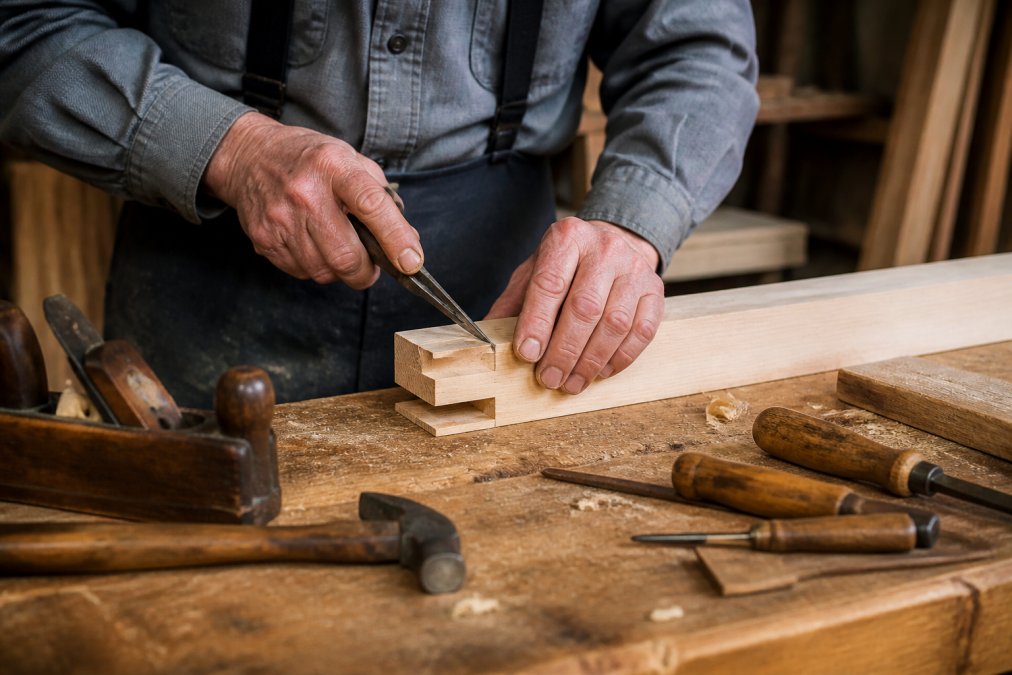
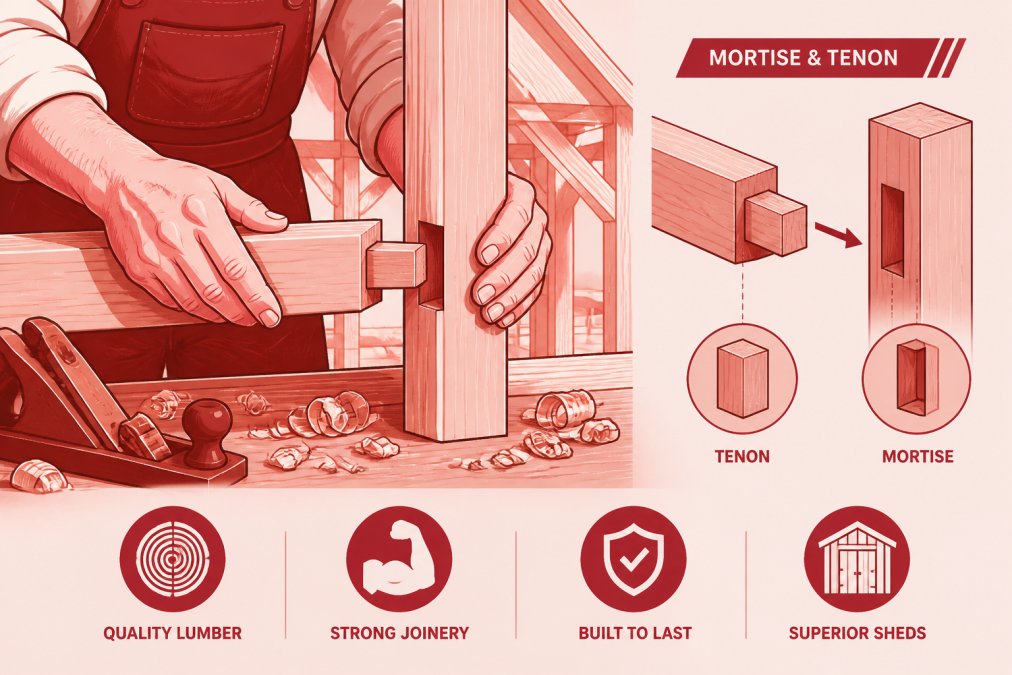
The construction methods reflect this commitment to durability. Traditional joinery, mortise and tenon joints, for example, creates connections that strengthen over time rather than weaken. These joints don’t rely on fasteners alone; they’re mechanically sound in their geometry. Contrast that with a typical shed assembled with nails or screws into butt joints, which can loosen, shift, and fail as the structure settles.
Ventilation and drainage are built into the design from the start. Many cheap sheds develop moisture problems within a few years because they lack proper air circulation and water management. Amish builders incorporate soffit vents, proper roof pitch, and foundation details that keep water away from structural components. A dry structure is a structure that lasts.
The roofing materials matter too. Rather than the thinnest acceptable shingles, Amish builders use materials rated for extended performance. The installation follows proper standards, not shortcuts that save time but compromise durability.
Real customers in the West Chester area who’ve owned Riehl Structures for years report minimal maintenance needs. One customer shared that their shed "was exactly as we planned and imagined," and years later, it still performs as built. That’s not luck. That’s the result of construction that anticipates how a structure will age and performs accordingly.
Custom Amish Shed Designs Built for Your Space
Not every yard is the same, and not every family needs the same shed. Off-the-shelf designs solve problems for an imaginary average customer. Custom designs solve problems for you.
Custom amish shed designs start with understanding your actual needs. Are you storing garden equipment, creating a workshop, building a studio space, or housing seasonal gear? The answer determines layout, ventilation, electrical infrastructure, and material choices.
The design process at Riehl Structures involves listening to what you envision, understanding your property’s constraints, and translating that into a structure that fits both functionally and aesthetically. This isn’t theoretical. Customers consistently report that the final product matched their vision precisely because the builders took time to understand the details.
Customization extends beyond size and layout. You can choose roofing styles, siding options, door configurations, and window placement that complement your home’s architecture. A shed doesn’t have to look like a generic storage box. It can be an attractive addition to your property that increases curb appeal while delivering functionality.
The beauty of working with Amish craftsmen is that custom doesn’t mean exponentially more expensive. Because the building process is based on skilled labor rather than expensive machinery, custom modifications often cost far less than you’d expect. The builders can adjust designs on the fly, incorporate local materials, and make changes that would be impossible with factory-based production.
Many homeowners discover that a custom design actually saves money compared to buying a standard shed and then modifying it. You avoid the cost of retrofitting, and you get a structure optimized for your specific use from day one.
Materials and Construction Methods That Set Them Apart
The materials in a structure tell the story of how it was built. Walk up to an Amish-built shed and you’ll notice immediately, the wood is substantial, the fasteners are quality hardware, and the overall assembly reflects careful workmanship.
Wood selection is the foundation. Amish builders typically use pressure-treated lumber for ground-contact components, which resists rot and insect damage. For framing and structural elements, they select species like treated pine or cedar based on local availability and performance requirements. The lumber is often sourced from regional suppliers who understand the climate and can recommend appropriate species.
The joinery is where traditional methods shine. Rather than relying solely on nails or screws, Amish builders create mechanical connections that distribute stress across larger surfaces. A mortise and tenon joint, for example, locks pieces together in a way that actually strengthens the connection over time as the wood seasons. This is labor-intensive, which is why mass producers don’t do it, but the result is a structure that doesn’t develop the gaps and looseness that plague typical sheds.
Hardware quality matters more than most people realize. Stainless steel or galvanized fasteners resist rust and corrosion. Hinges, latches, and hardware are chosen for durability, not cost. Small details like this accumulate into a structure that performs reliably for decades.
Roofing installation follows proper standards. The roof sheathing is typically solid rather than spaced, which provides better support and weather protection. Shingles are installed with appropriate overlap and fastening patterns. Flashing is installed at all penetrations to prevent water intrusion. These are basics, but they’re basics that get skipped in cost-cutting production.
The overall construction sequence reflects experience. Amish builders understand how wood moves with seasonal changes. They account for this in their joinery and fastening. They understand how water flows and where it tends to accumulate. They design drainage paths that move water away from vulnerable components. This knowledge comes from building thousands of structures and observing how they perform over years.
Financing Options for Outdoor Structures
Cost is a real consideration when investing in a structure like a shed or garage. The good news is that quality doesn’t have to mean unaffordable.
Riehl Structures offers flexible financing options designed to make your investment accessible. Rent-to-own programs allow you to use your structure while building equity toward ownership. Unlike some financing arrangements, there are no prepayment penalties, meaning you can accelerate your ownership timeline without financial consequences. You also don’t need home equity to qualify, the financing is based on your ability to make regular payments.
The terms are transparent. You know exactly what you’re paying and when you’ll own the structure outright. No hidden fees, no surprise rate increases, and no complicated terms designed to benefit the lender at your expense.
For many homeowners in the West Chester and King of Prussia areas, the ability to finance an outdoor structure makes the difference between "someday" and "now." Rather than saving for years to pay cash, you can have your custom structure built and installed while you pay for it over time. The structure is working for you, storing your equipment, protecting your tools, or providing the space you need, while you complete the payment plan.
The investment perspective matters here too. A quality outdoor structure increases your property value. It’s not a depreciating expense; it’s an asset that pays dividends in functionality and home value. Financing allows you to make that investment sooner rather than later.
Shed Delivery and Site Preparation Made Simple
The moment a shed arrives at your property, the real work begins. Poor delivery and installation can undermine even the best-built structure. This is where many companies fall short, they deliver the structure and leave the rest to you.
Riehl Structures includes free delivery within 30 miles of our West Chester and King of Prussia locations. But more importantly, delivery includes proper site preparation and installation. Your property is assessed, the foundation is prepared correctly, and the structure is positioned and secured according to specifications.
Site preparation is critical and often underestimated. An uneven yard requires proper leveling or foundation adjustment. Poor drainage can lead to water problems. Inadequate foundation support can cause settling and structural issues. Professional site preparation addresses these factors before the structure is placed.
The installation process is handled by experienced professionals who understand how to position the structure for optimal performance. Doors and windows are aligned properly. The structure is secured to the foundation to prevent shifting. Grading around the perimeter is sloped to direct water away from the building. These details determine whether your shed performs well for decades or develops problems within a few years.
Many homeowners worry about the logistics of delivery and setup. The process at Riehl Structures is designed to be stress-free. You’re not coordinating with multiple contractors or figuring out how to position a large structure yourself. The team handles it, and you end up with a properly installed building ready to use.
The peace of mind is worth something. You know the structure is installed correctly because it’s done by people who understand the product and have done it hundreds of times.
Investment in Your Home’s Value
A quality outdoor structure isn’t an expense, it’s an investment in your property and your quality of life. The financial case is straightforward, but the personal value is equally important.
From a resale perspective, a well-built shed, garage, or custom structure adds tangible value to your property. Potential buyers see functional outdoor space and quality construction. They understand that a custom Amish-built structure represents durability and thoughtful design. This translates to higher perceived value and, often, a higher sale price.
But the value extends beyond resale. An outdoor structure solves real problems in your daily life. A workshop provides space for hobbies and projects. A storage shed eliminates clutter and protects equipment. A custom structure designed for your specific needs makes your property work harder for you.
The longevity aspect is crucial to the investment calculation. A structure that lasts 30 or 40 years has a dramatically different cost-per-year than one that needs replacement in 10 years. When you factor in the maintenance costs of cheaper alternatives, repairs, replacements, dealing with weather damage, a quality structure becomes the economical choice over time.
Customers who’ve worked with Riehl Structures report that their investment paid off not just in functionality but in pride of ownership. A structure that’s well-built and thoughtfully designed becomes something you’re proud to have on your property. It’s a reflection of care and quality.
Conclusion
The benefits of amish built sheds come down to a simple principle: structures built with skill, quality materials, and attention to detail outperform those built to a price point. They last longer, require less maintenance, and deliver better value over their lifetime.
If you’re considering a shed, garage, greenhouse, or custom outdoor structure in the West Chester or King of Prussia area, Riehl Structures brings 30+ years of experience working with Amish craftsmen to deliver exactly what you need. Our custom designs, flexible financing with no prepayment penalties, and free delivery with professional site preparation make the process stress-free. Get a quote now and discover how a quality structure can transform your property and your daily life.
Frequently Asked Questions
What makes Amish-built sheds different from mass-produced sheds?
Amish-built sheds are constructed using traditional hand-crafted methods and premium materials, with individual attention to every detail. Unlike mass-produced sheds built on factory lines, Amish craftsmen personally oversee each structure from start to finish. This approach eliminates shortcuts, ensures superior joinery, and results in structures that withstand weather and time far better than their factory-made counterparts.
How long do Amish-built sheds typically last?
Properly maintained Amish-built sheds can last 20-30 years or more, with many structures performing well beyond that timeframe. The combination of quality wood selection, expert construction techniques, and attention to water drainage and ventilation means these sheds resist rot, warping, and structural failure far longer than standard alternatives. Your specific longevity depends on maintenance and local weather conditions.
Can I customize an Amish-built shed for my backyard?
Yes. Custom Amish shed designs are tailored to your specific needs, space, and preferences. Whether you need a particular size, roof style, window placement, or interior layout, craftsmen work with you to create a structure that fits your property and requirements. This flexibility means your shed works for your space, not the other way around.
Are Amish-built sheds worth the extra cost?
Yes, when you consider total value. While upfront costs are higher than mass-produced alternatives, Amish-built sheds require fewer repairs, last significantly longer, and maintain their appearance and function over decades. This means lower long-term costs, better protection for your belongings, and increased home value. Many homeowners find the investment pays for itself through durability and reduced maintenance.
This article was written using GrandRanker

Copy Link