How to Protect Outdoor Storage From Pests
Copy Link
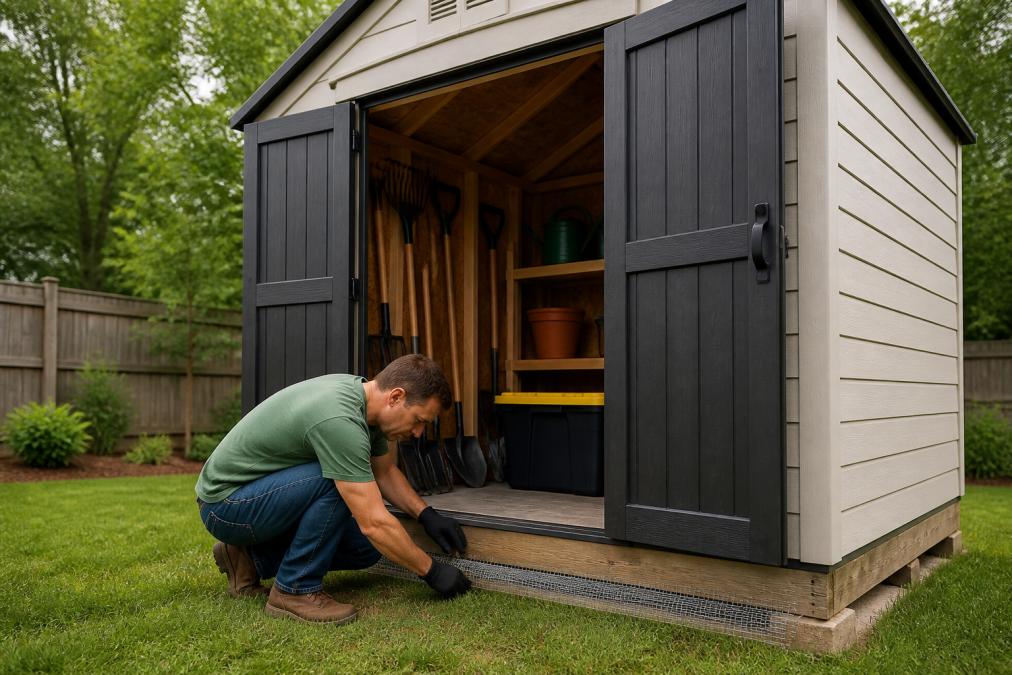
Table of Contents
- How to Protect Outdoor Storage From Pests: A Complete Action Plan
- Seal Entry Points and Gaps to Make Your Shed Rodent-Proof
- Best Pest Repellent for Storage Units: Natural and Chemical Options
- Signs of Rodent Infestation in Storage: What to Look For
- Manage Storage Containers and Nesting Materials
- Control Moisture, Vegetation, and Clutter Around Your Shed
- Seasonal Inspection and Maintenance Checklist
- Conclusion
Last Updated: August 11, 2026
How to Protect Outdoor Storage From Pests: A Complete Action Plan
Pests are relentless. A single gap the width of a pencil gives rodents entry into your shed. Once inside, they nest in insulation, chew through wiring, and contaminate stored items with droppings. The good news: protecting outdoor storage from pests doesn’t require expensive fumigation or constant vigilance. It requires a systematic approach combining physical barriers, smart storage practices, and ongoing maintenance. At Riehl Structures, we’ve helped countless homeowners in West Chester and the surrounding areas secure their storage sheds by focusing on the fundamentals: seal entry points, eliminate food sources, and reduce conditions that attract pests.
This guide walks you through the exact steps to make your shed rodent-proof and pest-resistant.
Seal Entry Points and Gaps to Make Your Shed Rodent-Proof
Rodents don’t need much. A mouse can squeeze through a hole the size of a dime; a rat requires roughly a quarter-inch opening. If your shed has gaps around pipes, foundation cracks, or gaps where siding meets the ground, you’ve already invited them in.
Walk around your shed’s perimeter and look for daylight coming through. Pay special attention to corners, where foundation settling creates gaps, and areas where utility lines enter the structure.
Caulk and Weather Stripping
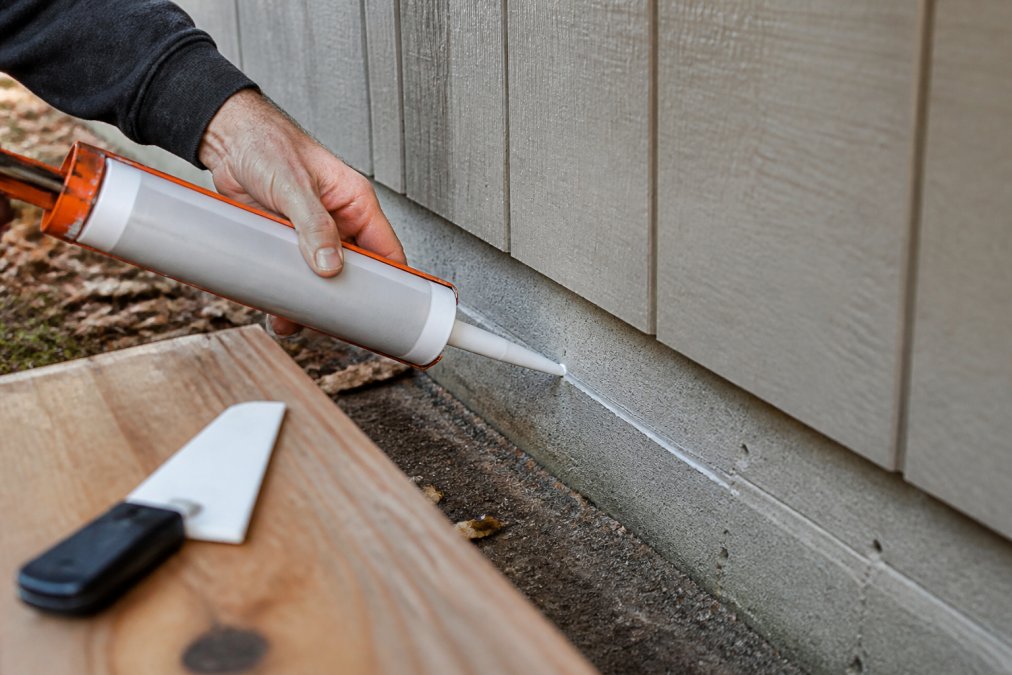
Use silicone-based exterior caulk rated for outdoor use, it remains flexible through freeze-thaw cycles. Apply caulk to any gaps smaller than a quarter-inch: seams between siding and trim, cracks in the foundation, and gaps around window frames. Run a bead of caulk along the gap, smooth it with a wet finger or caulk tool, and let it cure fully before exposing it to moisture (most silicone caulks need 24 hours).
Install weather stripping on door frames so the seal compresses when the door closes. Replace it every two to three years, especially on frequently opened doors.
Hardware Cloth and Wire Mesh Installation
For gaps larger than a quarter-inch but smaller than half-inch, hardware cloth and wire mesh provide a barrier rodents can’t chew through. Hardware cloth is galvanized steel mesh with small openings, typically 1/4-inch or smaller.
Cut the hardware cloth to size and secure it with exterior screws or staples rated for outdoor use. Overlap seams by at least an inch and seal the overlap with caulk or spray foam. Install hardware cloth around foundation vents, which are common entry points. Check these installations seasonally, as frost heave and ground settling can loosen fasteners.
Spray Foam for Large Gaps
Spray foam fills large voids quickly and creates an airtight seal. Use foam rated for outdoor use, as standard foam degrades in sunlight. Apply foam conservatively, it expands significantly. Fill the gap about 75 percent, let it cure, then trim the excess with a utility knife. Seal the trimmed foam with caulk or paint to protect it from UV degradation.
Spray foam works well around pipes, electrical conduits, and other penetrations through the shed wall.
Best Pest Repellent for Storage Units: Natural and Chemical Options
Sealing entry points stops most pests, but deterrents add a second layer of protection. The best pest repellent for storage units depends on your comfort level with chemicals and your specific pest problem.
Natural Deterrents
Peppermint oil is the most effective natural deterrent. Rodents dislike the strong smell and actively avoid areas where it’s present. Soak cotton balls in peppermint essential oil and place them in corners, along walls, and near entry points. Replace them every two to three weeks as the scent fades.
Cedar chips work similarly. Spread cedar chips around the shed perimeter and inside storage areas. Unlike peppermint oil, cedar chips last longer, typically two to three months before needing replacement.
Diatomaceous earth is a powder made from fossilized algae that damages the exoskeleton of insects and small rodents when they contact it. Food-grade diatomaceous earth is safe around pets and children. Dust it around the perimeter and in corners where rodents travel. Reapply after rain or every few weeks.
These natural options work best as preventives in sheds that are already sealed.
Chemical Barriers and Insecticides
Rodent repellent sprays containing capsaicin create an irritant barrier. Spray them around entry points and along walls where rodents travel. Reapply monthly or after rain.
For active infestations, snap traps or electronic traps are more effective than deterrents alone. Place traps along walls where rodents run, as they typically follow edges rather than crossing open space. Bait traps with peanut butter or nesting material and check daily.
Poison baits should be used cautiously, especially if pets or children have access to the shed. Place baits in tamper-resistant stations that allow rodents in but prevent larger animals from accessing them.
Signs of Rodent Infestation in Storage: What to Look For
Early detection prevents a minor problem from becoming a major one. Droppings are the most obvious sign, fresh droppings are dark and moist; old droppings are gray and crumbly. Rodent droppings are roughly the size of a grain of rice and often appear in clusters along walls or in corners.
Nesting materials indicate active rodents. Look for shredded paper, fabric, or insulation in corners or inside stored items. Gnaw marks on wood, plastic, or stored items show rodent activity. Fresh gnaw marks are light-colored; older marks darken over time.
Grease stains along walls and baseboards indicate regular rodent traffic. An ammonia-like smell develops in areas with heavy rodent activity, coming from their urine and indicating an established population.
Manage Storage Containers and Nesting Materials
How you store items directly affects pest vulnerability. Rodents seek three things: food, water, and shelter. Your storage containers and organization either enable or prevent all three.
Select Hermetic Sealing Containers
Hermetic sealing containers create an airtight seal that prevents rodents from accessing contents and eliminates food odors that attract them. Glass containers with rubber gaskets work well for seeds, grain, and dry goods. Metal cans with tight-fitting lids work for larger quantities.
Avoid cardboard boxes entirely, rodents chew through cardboard easily, and the material itself becomes nesting material. If you must use boxes, place them inside sealed plastic containers or metal cabinets.
Stack containers off the floor on shelving. Elevated storage makes rodent movement more visible and easier to detect.
Remove Nesting Materials
Storing old blankets, rags, newspapers, or packing materials in your shed is like providing nesting supplies. Remove these items or store them in sealed containers.
Insulation is particularly attractive to rodents. If your shed has exposed insulation, consider enclosing it with plastic sheeting or drywall.
Keep stored items organized and off the ground. Use shelving to elevate items and allow air circulation underneath. This makes it harder for rodents to hide and easier for you to spot infestations early.
Control Moisture, Vegetation, and Clutter Around Your Shed
Rodents need water as much as food. A shed with moisture problems attracts pests even if food sources are limited. Similarly, overgrown vegetation and exterior clutter provide shelter and highways for rodents approaching your shed.
Manage Moisture and Humidity
Poor ventilation creates humid conditions inside sheds. Install vents on opposite sides of the shed to create cross-ventilation. Make sure vents are covered with hardware cloth to prevent rodent entry.
A dehumidifier removes excess moisture in sealed sheds. Run it during humid months and empty or drain water regularly.
Check for water intrusion around the foundation. Seal foundation cracks with hydraulic cement or epoxy, which works even in wet conditions. Clogged gutters allow water to overflow along the shed wall. Clean gutters twice yearly and extend downspouts at least four feet from the foundation.
Trim Vegetation and Remove Low-Hanging Branches
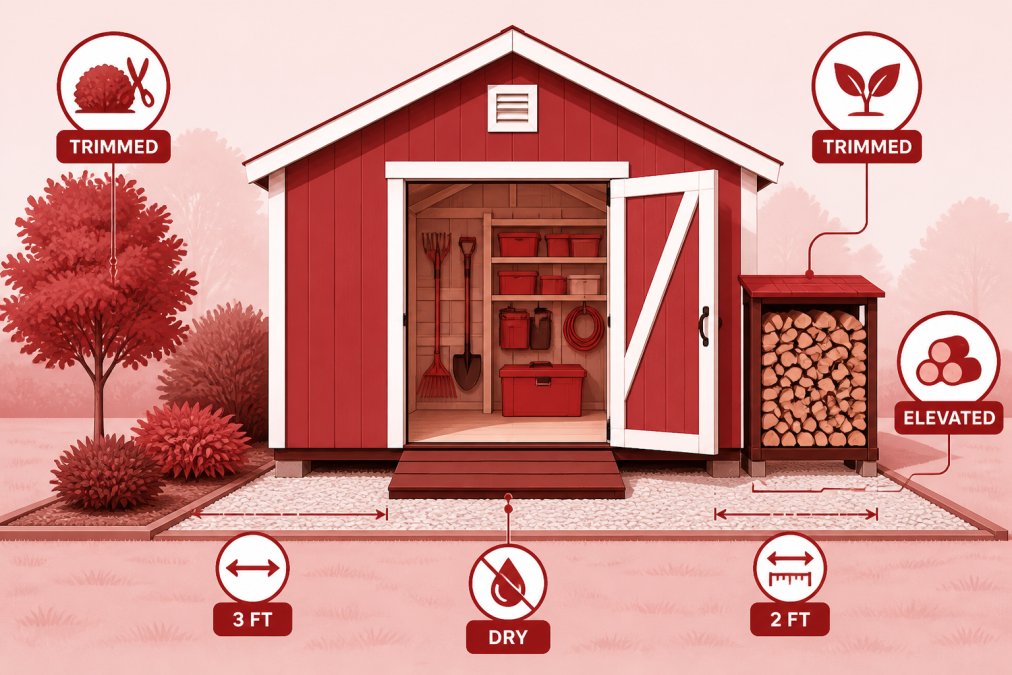
Rodents use vegetation as cover and highways to reach your shed. Trim tree branches so they don’t hang over the roof, rodents use them as bridges to access the roof and any openings there. Keep branches at least six feet from the shed wall.
Remove ground-level vegetation within three feet of the shed. Maintain a clear, mowed perimeter so rodent movement is visible and exposed.
Stack firewood at least 20 feet from the shed, not against it. Store firewood on a rack at least six inches above ground and cover it with a tarp that allows air circulation underneath.
Reduce Clutter and Maintain Organization
Clutter provides shelter and nesting sites. Remove unnecessary items from around the shed. A clean shed interior is easier to inspect for pest activity.
Organize stored items on shelving, use labeled containers, and maintain clear floor space. Sweep the shed floor monthly and vacuum corners where droppings accumulate. This removes food debris and allows you to spot pest activity early.
Seasonal Inspection and Maintenance Checklist
Protecting outdoor storage from pests is an ongoing process, not a one-time fix. Seasonal inspections catch problems before they become infestations.
Spring Inspection (March-April):
- Walk the shed perimeter and look for new gaps or cracks
- Check caulking and weather stripping for deterioration
- Inspect foundation vents to ensure hardware cloth is intact
- Look for evidence of winter rodent activity: droppings, nesting material, gnaw marks
- Replace peppermint oil cotton balls and cedar chips
Summer Maintenance (June-July):
- Trim vegetation and low-hanging branches
- Clean gutters and check downspouts for proper drainage
- Inspect interior for moisture or mold growth
- Check stored items for pest damage
- Refresh diatomaceous earth around the perimeter
Fall Preparation (September-October):
- Seal any new gaps before rodents seek winter shelter
- Remove debris and organize stored items
- Stock natural deterrents before cold months
- Check that vents and openings are clear
- Inspect roof for damage that could allow water intrusion
Winter Monitoring (December-February):
- Check for new droppings or evidence of activity
- Maintain clear perimeter space around the shed
- Inspect interior monthly for signs of infestation
- Replace deterrents as needed
| Maintenance Task | Frequency | Priority | Notes |
|---|---|---|---|
| Inspect perimeter for gaps | Quarterly | High | Critical first line of defense |
| Replace peppermint oil deterrents | Every 2-3 weeks | Medium | Natural prevention |
| Trim vegetation and branches | Seasonally | High | Reduces rodent highways |
| Clean gutters | Twice yearly | High | Prevents moisture problems |
| Sweep and vacuum interior | Monthly | Medium | Detects activity early |
| Check caulking and weather stripping | Annually | Medium | Maintains seal integrity |
| Inspect stored items | Seasonally | Medium | Catches damage early |
Protecting outdoor storage from pests requires vigilance, but the payoff is substantial. A shed that’s properly sealed, well-maintained, and regularly inspected stays pest-free for years. Whether you’re securing an existing shed or planning a new structure in West Chester or the surrounding area, the principles in this guide apply. Get a quote now and discover how a well-designed storage shed protects your belongings and eliminates pest headaches.
Frequently Asked Questions
How do I know if I have rodents in my outdoor storage?
Look for droppings, gnaw marks on wood or stored items, and damaged packaging. Listen for scratching sounds, especially at night. Check for nesting materials like shredded insulation or fabric. A musty odor can also indicate pest infestation in storage. If you spot any of these signs, inspect entry points immediately and seal gaps with caulk, hardware cloth, or spray foam to prevent further rodent access.
What's the best way to rodent-proof a shed without chemicals?
Start by sealing all entry points with hardware cloth, weather stripping, and caulk. Remove nesting materials and clutter. Use natural repellents like peppermint oil-soaked cotton balls, cedar chips, or eucalyptus. Store food and supplies in hermetic sealing containers. Trim low-hanging branches near the shed and maintain a clear perimeter. Install a dehumidifier to control moisture. These structural and environmental changes create a rodent-proof shed without relying on pesticides.
How often should I inspect my shed for pest entry points?
Inspect your shed at least twice yearly, once in spring and once in fall, before and after peak pest seasons. Check foundation seals, gaps around pipes, damaged weather stripping, and ventilation openings. After severe weather, do a spot inspection for new cracks or damage. Regular seasonal inspection catches structural integrity issues early and prevents pest infestation before it starts.
Are there pet and child-safe pest control options for storage areas?
Yes. Natural deterrents like peppermint oil, cedar chips, citronella, and diatomaceous earth are safe around pets and children when used properly. Store these repellents in sealed containers away from play areas. Avoid chemical insecticides in sheds where children access toys or sports equipment. Focus on structural sealing and storage container selection as your first line of defense, these methods eliminate the need for chemical barriers entirely.
This article was written using GrandRanker

Copy Link