A-Frame Greenhouses: A 2026 Guide
Copy Link
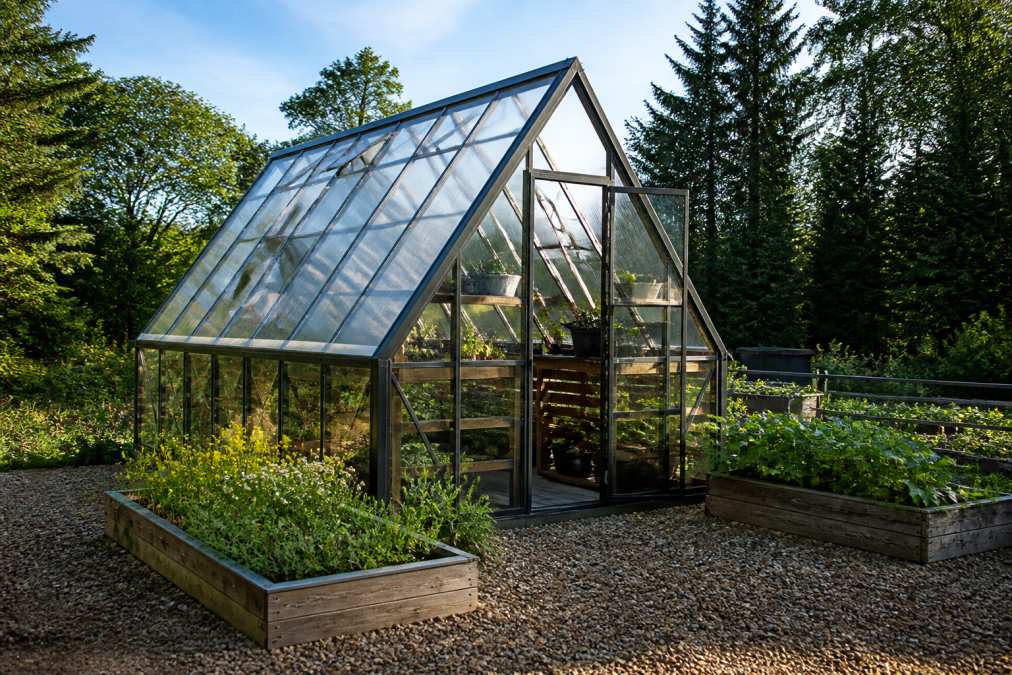
Table of Contents
- What Is an A-Frame Greenhouse and Why It Matters
- Key Benefits of A-Frame Greenhouse Design
- Types of A-Frame Greenhouses
- Amish-Built Greenhouses in Chester County
- Greenhouse Foundation Requirements and Site Preparation
- Best Plants for Pennsylvania Greenhouses
- Building vs. Buying an A-Frame Greenhouse
- Maintenance and Longevity
- Frequently Asked Questions
Last Updated: September 21, 2026
What Is an A-Frame Greenhouse and Why It Matters
An a-frame greenhouse is a structure with a peaked roof shaped like the letter A, designed to maximize sunlight exposure and water drainage while minimizing wind resistance. The angled sides allow rain and condensation to run off efficiently, and the steep pitch creates optimal angles for capturing sunlight throughout the day and across seasons.
The a-frame design has been proven effective for over a century: it’s simple, functional, and reliable, extending your growing season while protecting your plants.
Unlike flat-roofed or lean-to designs, the a-frame naturally sheds snow and heavy rain, reducing structural stress and maintenance. This matters in Pennsylvania winters, where snow load damages weaker structures. The design also minimizes frame shading, letting more light reach plants during critical growing months.
The a-frame’s 45-50 degree roof angle is intentional, it matches the sun’s winter angle in most of the northern United States, maximizing light penetration when days are shortest.
Key Benefits of A-Frame Greenhouse Design
The peaked design creates superior airflow compared to traditional box greenhouses, reducing humidity and fungal disease. The angled roof naturally draws warm air upward and out through roof vents on warm spring days.
The triangular shape distributes weight and wind load more effectively than rectangular designs. Snow slides off naturally rather than accumulating, reducing structural stress and repair emergencies in Pennsylvania winters.
A 10-by-12-foot a-frame greenhouse provides more usable shelf and bench space than a similarly sized rectangular structure because angled walls eliminate dead corner space.
The peaked roof concentrates warm air near plants in winter, lowering heating costs. In summer, height allows hot air to rise and escape, keeping temperatures manageable.
The a-frame’s combination of superior drainage, natural airflow, and structural efficiency makes it one of the most reliable greenhouse designs for Pennsylvania’s climate.
Types of A-Frame Greenhouses
Several variations of the a-frame design exist, each suited to different needs and budgets. Understanding the main types helps you choose the right structure for your situation.
Polycarbonate A-Frame Greenhouses are the most common choice. Twin-wall panels provide excellent insulation, diffuse light evenly, and resist hail damage. They cost less than glass and require minimal maintenance. Polycarbonate yellows over 10-15 years, reducing light transmission, but replacement panels are straightforward to install.
Glass A-Frame Greenhouses allow 90% of sunlight through versus 80-85% for polycarbonate. Glass requires careful handling and can shatter, but serious growers prefer it where every percentage point of light matters.
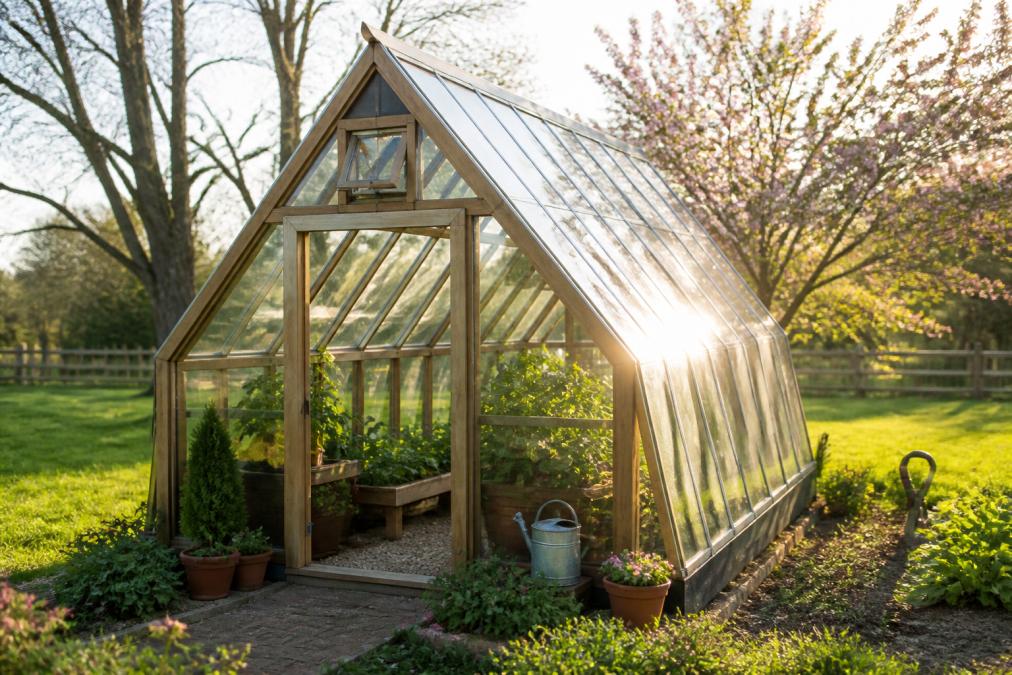
Wooden Frame A-Frames built with cedar or treated lumber provide durability and visual appeal. Amish-built greenhouses in Chester County combine wooden frames with polycarbonate or glass panels. Wood requires staining or sealing every 3-5 years but offers aesthetic and longevity.
Metal Frame A-Frames using aluminum or galvanized steel offer lightweight durability and minimal maintenance, resisting rust and rot for long-term use.
Amish-Built Greenhouses in Chester County
Amish-built structures have earned a reputation for exceptional durability and craftsmanship. Chester County has a strong tradition of Amish carpentry refined over generations.
Amish builders prioritize joinery and material quality, using mortise-and-tenon joints and weather-resistant wood grades. Many Amish-built greenhouses remain functional after 30+ years, far exceeding mass-produced alternatives.
A properly built a-frame greenhouse handles winter snow load, spring wind gusts, and summer sun exposure without degradation. Quality construction pays dividends through years of reliable service.
Local builders understand site-specific challenges: water drainage, prevailing winds, and optimal sun positioning given local tree cover. This knowledge ensures your greenhouse performs well from day one.
Mass-produced greenhouses often use undersized framing and inferior fasteners to reduce cost. In Pennsylvania winters, these structures frequently fail under snow load or wind stress. Quality construction costs more upfront but prevents expensive failures.
Greenhouse Foundation Requirements and Site Preparation
A solid foundation determines whether your a-frame greenhouse lasts 10 years or 30 years, handling freeze-thaw cycles, water drainage, and structural weight.
Ground-Level Foundations use a 4-6 inch gravel base with landscape fabric for drainage. This is fastest and least expensive but requires good natural drainage and risks rot in areas with standing water.
Concrete Pad Foundations provide superior durability and are worth the investment for permanent installations. A 4-inch concrete pad with proper slope for drainage prevents water from pooling under the structure. The concrete should extend 12 inches beyond the greenhouse footprint on all sides to prevent erosion. Many homeowners in West Chester use this approach because it handles the region’s moisture and freeze-thaw stress effectively.
Gravel-Filled Perimeter Trench combines affordability with good drainage. Dig a shallow trench around the greenhouse perimeter, fill it with gravel, and set the structure on a level base. This allows water to drain away rather than accumulating, and it’s easier to adjust than a full concrete pad if the ground settles unevenly.
Site preparation matters as much as the foundation itself. Clear the area of rocks, roots, and debris that could create uneven settling. Ensure water naturally drains away from the structure rather than toward it. If your yard slopes toward the back, position the greenhouse on higher ground or create a slight berm to redirect runoff.
Many properties in Chester County have uneven terrain. A professional site assessment identifies whether you need grading work, drainage solutions, or foundation reinforcement. Riehl Structures can evaluate your property and recommend an approach for your specific situation.
Best Plants for Pennsylvania Greenhouses
Pennsylvania’s climate, cold winters, variable spring weather, and humid summers, shapes which plants thrive in a greenhouse environment. Understanding what grows well locally helps you maximize your investment.
Cool-Season Crops flourish in Pennsylvania greenhouses during spring and fall. Lettuce, spinach, arugula, and other greens grow quickly in cool conditions and tolerate the temperature fluctuations common in unheated greenhouses during shoulder seasons. These crops mature in 4-6 weeks and can be succession-planted for continuous harvest.
Tomatoes and Peppers are the classic greenhouse crops. They need consistent warmth, ideally 65-75 degrees, and benefit enormously from the protected environment. In a greenhouse, tomatoes produce for 4-5 months instead of the 2-3 months typical of outdoor growing. Peppers similarly extend their productive season and yield more fruit in the controlled environment. Supporting these heavy vines requires sturdy infrastructure, which often leads growers to consider durable planter options for long-term stability.
Herbs thrive year-round in a greenhouse with minimal heating. Basil, parsley, chives, and mint grow continuously, giving you fresh herbs through winter. Herbs are low-maintenance and tolerate the variable light conditions of a greenhouse better than many vegetables.
Tender Perennials like geraniums, fuchsias, and tender ferns survive Pennsylvania winters in a greenhouse that stays above freezing. Many gardeners use greenhouse space to overwinter tender plants rather than replanting them annually.
Starting Seeds is one of the most practical greenhouse uses. Beginning seedlings indoors 6-8 weeks before your last spring frost gives you stronger transplants and extends your outdoor growing season. A greenhouse provides ideal conditions for seed germination and early growth.
The key to success is matching plants to your greenhouse’s actual conditions. An unheated greenhouse in West Chester stays warmer than outdoor temperatures but won’t support tropical plants. A heated greenhouse opens more possibilities but requires energy investment. Most Pennsylvania gardeners find the best return comes from cool-season crops, herbs, and extending the season for warm-season vegetables like tomatoes.
Building vs. Buying an A-Frame Greenhouse
The decision between building and buying depends on your budget, skills, time availability, and how quickly you want to start gardening.
Building Your Own appeals to DIY enthusiasts and those with carpentry experience. Plans are widely available online and through gardening resources. The main advantages are cost savings and customization, you can build exactly the size and configuration you want. The disadvantages are significant: construction takes 40-80 hours for a modest structure, mistakes are expensive to fix, and you’re responsible for ensuring the structure is sound and weather-tight.
Most DIY builders underestimate the complexity of creating proper ventilation, managing condensation, and ensuring structural integrity during high wind or snow events. A poorly built greenhouse can fail catastrophically, damaging plants and potentially creating safety hazards.
Buying a Pre-Built or Kit Greenhouse trades upfront cost for reliability and convenience. You know the structure has been engineered and tested. Assembly takes 8-16 hours for most kits. The main disadvantage is limited customization, you choose from existing sizes and configurations rather than building exactly what you want.
Amish-Built Custom Greenhouses represent a middle path. You get customization and superior craftsmanship without the DIY complexity.
Custom-built greenhouses work best for homeowners who want a permanent structure tailored to their property, those with uneven terrain or specific site challenges, and gardeners planning to use the greenhouse for 10+ years.
Maintenance and Longevity
A well-maintained a-frame greenhouse performs reliably for 20-30 years or longer. Neglected structures deteriorate rapidly, often failing within 5-10 years. The maintenance required depends on materials and climate exposure.
Frequently Asked Questions
What are the main advantages of an A-frame greenhouse design?
An A-frame greenhouse maximizes sunlight exposure along its sloped roof panels, which is ideal for year-round growing. The peaked design naturally sheds water and snow, reducing structural strain and maintenance. The vertical walls provide usable growing space, and the efficient shape reduces heating and cooling costs compared to flat-roof designs. The steep angles also improve air circulation inside, which helps prevent mold and disease.
Do I need a permit for an A-frame greenhouse in Pennsylvania?
Permit requirements vary by municipality. Most townships in Pennsylvania require permits for structures over 100 square feet or those with permanent foundations. Contact your local zoning office or township building department to confirm requirements for your specific property. Riehl Structures can guide you through the permit process and help ensure your greenhouse meets local codes.
What should I plant in a Pennsylvania greenhouse?
Pennsylvania’s climate supports diverse greenhouse crops year-round. Spring and summer favor tomatoes, peppers, cucumbers, and lettuce. Fall and winter work well for leafy greens, spinach, kale, and herbs. Cool-season crops like broccoli and cabbage thrive in unheated greenhouses during mild months. Many gardeners use Pennsylvania greenhouses to extend the growing season by 2-3 months on each end, starting seedlings in early spring and harvesting into late fall.
What kind of foundation does an A-frame greenhouse need?
A-frame greenhouses require a level, well-draining foundation to prevent water damage and structural settling. Options include a concrete slab, gravel base with landscape fabric, or treated wood frame. The foundation should extend slightly beyond the greenhouse footprint and slope gently away from the structure for drainage. In Pennsylvania, frost lines typically extend 36-42 inches deep, so permanent foundations should account for freeze-thaw cycles. Proper site preparation prevents costly repairs and extends the greenhouse’s lifespan.

Copy Link