Custom Greenhouse Design Ideas PA: 7 Styles for Every Yard
Copy Link
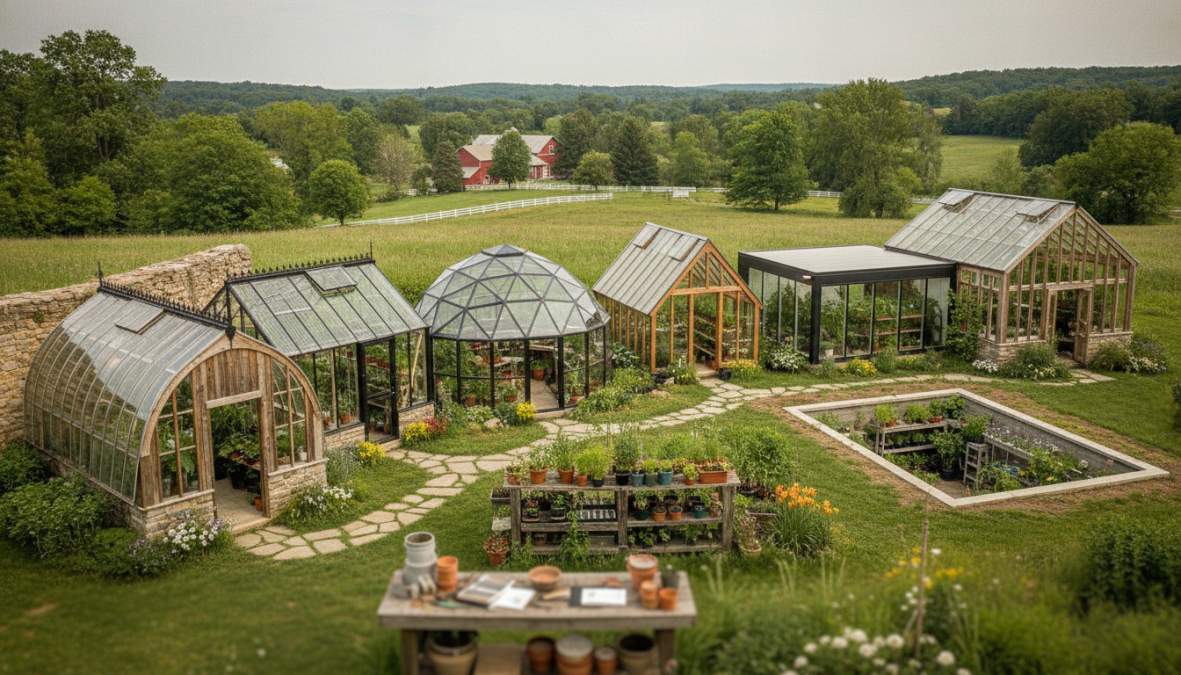
Table of Contents
- 7 Custom Greenhouse Design Ideas for Pennsylvania Backyards
- Best Greenhouse Materials for Cold Climates in PA
- Greenhouse Permit Requirements PA: What You Need to Know
- PA Greenhouse Heating Solutions for Year-Round Growing
- Customization Options: Making Your Greenhouse Uniquely Yours
- Installation & Assembly: DIY vs. Professional Services
- Pricing & Design Ideas: What to Expect
- Long-Term Maintenance: Keeping Your Greenhouse Thriving
Custom Greenhouse Design Ideas PA: 7 Styles for Every Yard
Last Updated: July 3, 2026
Pennsylvania’s unpredictable weather demands greenhouses engineered for freeze-thaw cycles, heavy snow loads, and intense seasonal swings. The right design manages these challenges while maximizing light in short winters and handling structural stress. This guide covers seven proven greenhouse styles, materials that survive PA winters, heating solutions, and what you need to know before breaking ground.
7 Custom Greenhouse Design Ideas for Pennsylvania Backyards
Pennsylvania’s climate demands greenhouses that shed snow and ice efficiently while withstanding dramatic seasonal temperature swings.
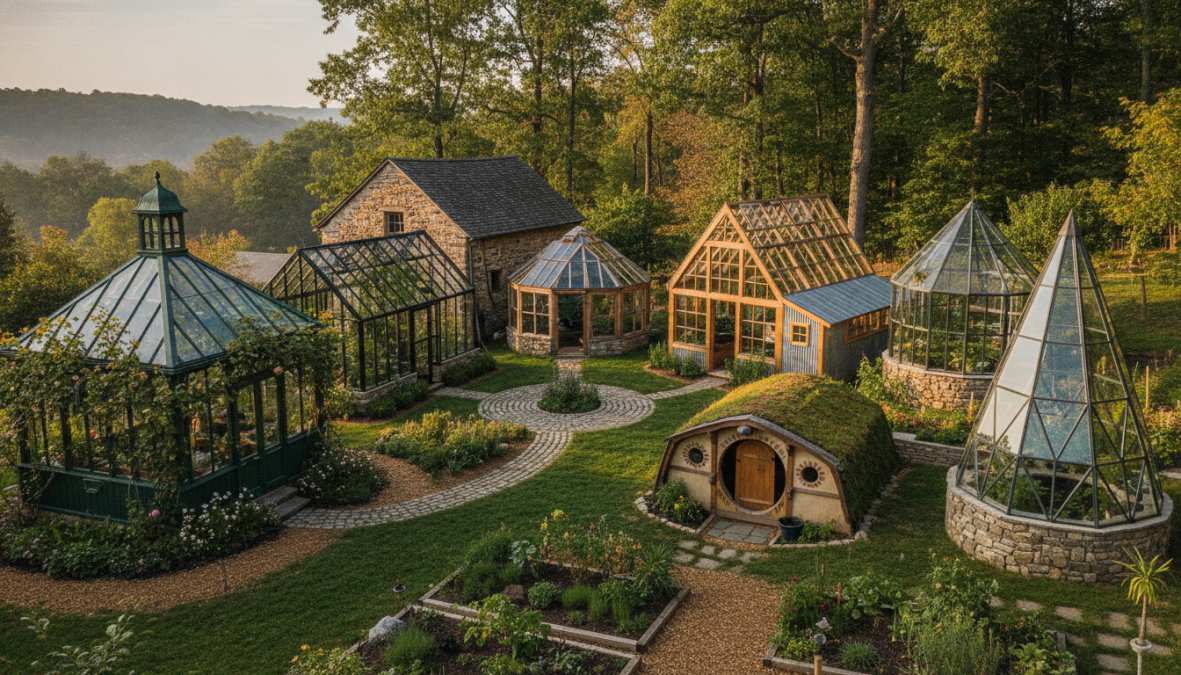
A-Frame Greenhouses
An A-frame greenhouse is the classic design for good reason. The pitched roof naturally sheds snow and ice, critical in Pennsylvania winters where roof load becomes a real structural concern. Water runs off quickly rather than pooling, and the steep angles minimize flat surfaces where ice accumulates. Interior height typically ranges from 7 to 9 feet at the peak, offering excellent headroom while maximizing wall space for shelving.
Anchor A-frame greenhouses with concrete footings that go 18-24 inches deep. Pennsylvania’s frost line sits around 36 inches, so [proper foundation depth](/site-preparation/) prevents frost heave from shifting your structure over winter.
Quaker-Style Greenhouses
Quaker-style greenhouses (also called Gothic arch or curved-roof designs) combine snow-shedding benefits with an elegant curved profile. The rounded roof naturally channels snow and ice off the sides while walls rise higher before curving, providing better use of floor area. The curved roof also improves light distribution by capturing morning and evening sun more effectively than flat-sided structures. These designs typically cost 15-20% more than A-frames.
Lean-To Greenhouses for Small Yards
A lean-to greenhouse attaches directly to your home or garage, sharing one wall and eliminating the need for a full perimeter foundation. This design makes sense for urban properties, side yards, or homeowners who want to minimize ground footprint. Lean-to structures are the most affordable option and benefit from passive heat transfer; warmth from your home’s wall radiates into the greenhouse on cold nights, reducing heating costs by 5-10 degrees. Lean-to greenhouses work best on south-facing walls where they capture maximum winter sun.
Gothic Arch Greenhouses
Gothic arch greenhouses feature a distinctive peaked profile with curved sides that excel at shedding Pennsylvania’s heavy wet snows while maximizing interior volume. Interior headroom is generous throughout the structure, accommodating equipment like potting benches and rolling carts more easily than A-frames. The curved framing requires precision manufacturing, commanding premium pricing.
Cape Cod & Chalet Designs
Cape Cod and chalet-style greenhouses bring residential architecture into the greenhouse, featuring steep roofs with overhanging eaves that often match your home’s exterior. The steep roof pitch handles Pennsylvania snow loads effectively, and overhanging eaves protect walls from weather exposure. These designs require more materials and custom finishing work, making them best suited to homeowners who view the greenhouse as a long-term landscape investment.
Freestanding Modular Greenhouses
Modular greenhouses arrive as pre-engineered kits with components designed to fit together precisely. These structures use aluminum or powder-coated steel framing with polycarbonate or tempered glass panels. Pennsylvania homeowners appreciate modular designs because they arrive ready to assemble without requiring custom fabrication, with significantly shorter setup times than hand-built structures.
Attached Greenhouse Structures
An attached greenhouse connects to your home but extends outward, creating a transitional space between indoor and outdoor living. Heat collected during the day radiates into your home at night, reducing heating costs. Some homeowners report 10-15% reductions in winter heating bills after installing attached greenhouses. The design works best when oriented south or southeast.
Best Greenhouse Materials for Cold Climates in PA
Material selection determines whether your greenhouse thrives through Pennsylvania winters or requires constant repair.
Western Red Cedar & Douglas Fir
Wood remains the gold standard for Pennsylvania greenhouse construction because it ages beautifully, insulates naturally, and handles structural stress gracefully. Western red cedar and Douglas fir are the preferred species; both resist rot better than softwoods and provide the strength needed for snow-load bearing. Cedar contains natural oils that resist decay, making it the premium choice. Both woods require regular maintenance; expect to restain your wood greenhouse every 2-3 years.
Untreated wood exposed to Pennsylvania winters develops mold, splits, and rots within 3-5 years. Budget for maintenance costs when choosing wood construction.
Polycarbonate Panels vs. Glass
Polycarbonate has replaced glass in most modern greenhouse construction because it outperforms glass in Pennsylvania’s climate. Polycarbonate is impact-resistant (hail and ice don’t crack it), provides better insulation (double-wall panels trap air for R-value around 1.5-2.0), and weighs far less than glass. Glass offers superior light transmission but breaks under ice load and provides minimal insulation (R-value around 0.9). Eight-millimeter double-wall polycarbonate is the sweet spot for Pennsylvania.
Aluminum Framing for Durability
Aluminum framing has become standard in professional greenhouses because it resists corrosion, handles snow loads efficiently, and requires minimal maintenance. Modern greenhouses use thermal breaks (plastic insulation strips) between interior and exterior aluminum components to prevent condensation and reduce heat loss. Powder-coated aluminum finishes resist weathering better than bare aluminum.
Aluminum framing with thermal breaks and polycarbonate glazing represents the best balance of durability, performance, and maintenance for Pennsylvania greenhouses.
Greenhouse Permit Requirements PA: What You Need to Know
Pennsylvania’s permit requirements vary significantly by municipality. Before ordering your greenhouse, confirm requirements with your local building department; an unpermitted structure can create serious problems when selling your home.
Size Thresholds & Local Zoning
Most Pennsylvania municipalities define greenhouses by floor area. Structures under 100-120 square feet often qualify as exempt accessory structures requiring no permit. Anything larger typically needs a building permit or zoning approval. Zoning codes also restrict where you can place structures, with setback requirements (distance from property lines) typically ranging from 5 to 20 feet depending on your lot size and zoning classification.
Foundation & Setback Rules
Pennsylvania’s frost line averages 36 inches statewide. Building codes typically require foundations that extend below the frost line to prevent frost heave. Concrete piers, frost-protected shallow foundations, or full basement footings all meet code requirements. Confirm exact setback distances for your specific lot before finalizing your greenhouse location.
Working with Your Local Municipality
Contact your local building department early in the planning process. Ask specifically about permit requirements, setback distances, zoning restrictions, foundation depth, wind and snow load standards, and whether an engineering review is needed. Budget 4-8 weeks for the permit process. Pennsylvania Department of Community and Economic Development building code information provides statewide guidance, though municipalities often adopt stricter local standards.
PA Greenhouse Heating Solutions for Year-Round Growing
Pennsylvania’s growing season officially runs May through September, but many gardeners extend it using supplemental heat.
Thermostat-Controlled Exhaust Fans
Exhaust fans with thermostats automatically vent warm air when internal temperature exceeds a set point (typically 75-80°F), preventing temperature spikes that damage seedlings. A single 12-inch fan typically handles greenhouses up to 200 square feet and costs $150-400. Many Pennsylvania growers combine exhaust fans with other ventilation (roof vents, louvers) to manage temperature throughout the day.
Passive Solar Design & Thermal Mass
Passive solar design uses the greenhouse structure itself to capture, store, and release heat. South-facing orientation maximizes winter sun exposure. Thermal mass, water barrels, stone, or concrete inside the greenhouse, absorbs heat during the day and radiates it back at night. A common strategy uses 55-gallon water barrels positioned along the north wall. Thermal mass alone won’t keep a greenhouse above freezing on Pennsylvania’s coldest nights, but it can raise minimum temperatures 5-10 degrees.
Supplemental Heating Systems
Serious winter growers typically use supplemental heaters. Electric space heaters ($100-300) are affordable but consume significant power; a 1,500-watt heater running 8 hours daily costs roughly $20-30 monthly in electricity. Propane heaters provide efficient heat without electrical dependency and require proper venting and professional installation for safety. Many Pennsylvania growers use combination approaches: passive solar design for mild weather, supplemental heat for hard freezes.
Customization Options: Making Your Greenhouse Uniquely Yours
Custom greenhouse design ideas pa extend beyond structural style to interior layout, materials, colors, and features.
Interior Shelving & Planter Boxes
Shelving systems maximize vertical growing space. Tiered shelving roughly doubles growing capacity. Aluminum or stainless steel shelving resists rust better than wood. Planter boxes built into the greenhouse perimeter create permanent growing areas and keep plants at comfortable working height.
Color & Stain Choices
Wood greenhouses can be stained virtually any color to complement your home’s exterior. Polycarbonate panels come in clear (maximum light transmission at 88-92%), milky white (diffuses light, reducing glare at 70-80% transmission), and tinted options.
Door Placement & Ventilation Features
Door placement affects workflow and temperature control. A door on the south side (downwind in Pennsylvania’s prevailing westerly winds) reduces cold air infiltration. Automatic vent openers ($80-200) respond to temperature changes without electricity; wax-filled cylinders expand as temperature rises, mechanically opening vents.
| Customization Option | Best For | Cost Impact | Maintenance |
|---|---|---|---|
| Tiered shelving | Maximizing plant capacity | +$300-800 | Annual inspection |
| Integrated planter boxes | Permanent growing areas | +$400-1,200 | Seasonal soil amendment |
| Roof vents | Spring/fall temperature control | +$200-600 | Annual cleaning |
| Double doors | Equipment access | +$300-700 | Weatherstripping checks |
| Thermal mass (water barrels) | Passive heat storage | +$100-300 | Minimal maintenance |
Installation & Assembly: DIY vs. Professional Services
Custom greenhouse projects involve decisions about who handles installation. DIY assembly saves money but demands time, tools, and building confidence. Professional installation ensures code compliance and structural integrity.
Site Preparation & Foundation Work
Proper site preparation determines whether your greenhouse lasts 10 years or 30 years. The location must be level (slopes greater than 5% cause foundation problems), well-drained (standing water rots wood and causes frost heave), and ideally south-facing for maximum winter sun exposure. Foundation work is the critical first step and typically takes 1-2 weeks depending on soil conditions and weather.
If you choose DIY assembly, hire a professional for foundation and site work. This is the phase where mistakes cause permanent problems. Assembly, shelving installation, and finishing work are manageable DIY tasks for confident homeowners.
Full-Service Installation Benefits
Professional installation includes site assessment, foundation engineering, assembly, and final inspection. The installer handles all coordination with building departments, ensuring your greenhouse meets local codes. Professional installers have experience with Pennsylvania’s specific climate challenges and typically cost $2,000-5,000 depending on greenhouse size.
Pricing & Design Ideas: What to Expect
Custom greenhouse design ideas pa span a wide price range depending on materials, size, and complexity.
Budget-Friendly Options
Entry-level Pennsylvania greenhouses start around $3,000-5,000 for small (8×10 foot) structures using basic materials and DIY assembly. Budget greenhouses work well for gardeners testing whether year-round growing fits their lifestyle.
Premium Custom Builds
High-end custom greenhouses with premium materials, professional design, and complete installation run $15,000-35,000+. These structures feature cedar framing, tempered glass or premium polycarbonate, integrated shelving systems, and finishing details that match your home’s aesthetic.
| Greenhouse Type | Typical Size | DIY Cost Range | Professional Installation | Total Installed Cost |
|---|---|---|---|---|
| Budget aluminum/polycarbonate | 8×10 ft | $3,000-5,000 | +$1,500-2,500 | $4,500-7,500 |
| Mid-range cedar A-frame | 10×12 ft | $6,000-9,000 | +$2,000-3,500 | $8,000-12,500 |
| Premium custom design | 12×16 ft | $12,000-18,000 | +$3,000-5,000 | $15,000-23,000 |
| High-end integrated structure | 14×20 ft | $18,000-28,000 | +$4,000-7,000 | $22,000-35,000+ |
Long-Term Maintenance: Keeping Your Greenhouse Thriving
A greenhouse is an investment that requires ongoing care. Proper maintenance extends the structure’s lifespan and keeps it functioning reliably through Pennsylvania’s challenging climate.
Seasonal Cleaning & Panel Care
Polycarbonate and glass panels accumulate dirt, algae, and mineral deposits that reduce light transmission. Spring and fall cleaning improves light penetration by 10-15%, a significant difference for plant growth. Clean panels with mild soap and water using soft brushes or cloths. Avoid abrasive scrubbers that scratch polycarbonate.
Hardware & Structural Inspections
Inspect hinges, latches, fasteners, and structural connections annually. Pennsylvania’s freeze-thaw cycles stress hardware; bolts loosen, hinges corrode, and fasteners work their way out. Check for water infiltration around roof seams, door frames, and panel edges. Look for signs of settling or structural movement, gaps between panels, or doors that don’t close smoothly.
Weatherproofing & Stain Maintenance
Wood greenhouses require periodic stain or sealant reapplication. Check stain condition annually; if water beads on the surface, the finish is intact. If water soaks in, it’s time to restain. Restaining typically involves light sanding, cleaning, and applying new stain every 2-3 years. Caulk around windows, doors, and panel edges every 3-5 years as caulk degrades from UV exposure.
Deferred maintenance compounds quickly. A small water leak ignored for one season becomes rot that requires structural repairs costing thousands. Annual maintenance checks catch problems early when they’re inexpensive to fix.
Pennsylvania’s climate demands greenhouses engineered specifically for freeze-thaw cycles, heavy snow loads, and intense seasonal swings. The custom greenhouse design ideas pa covered here all perform reliably when built with appropriate materials and proper site preparation. A well-built greenhouse transforms your growing season and provides decades of reliable use.
Frequently Asked Questions
Do I need a permit for a greenhouse in Pennsylvania?
Most Pennsylvania municipalities require permits for greenhouses over 100-200 square feet or those with permanent foundations. Check your local zoning code and building department, setback requirements, foundation depth, and roof load ratings vary by county. Riehl Structures can guide you through permit requirements at your specific location.
What are the best greenhouse materials for Pennsylvania's cold winters?
Western red cedar and Douglas fir offer natural insulation and durability. Double-wall polycarbonate panels provide better thermal retention than single-pane glass. Aluminum frames resist rust and warping. Cedar construction combined with polycarbonate and proper ventilation systems creates an ideal balance for PA's freeze-thaw cycles and temperature swings.
How much does a custom greenhouse design cost in Pennsylvania?
Custom greenhouse pricing varies widely based on size, materials, and features. Small wooden greenhouses (8×10) start around $3,000-$5,000, while larger custom builds (12×20+) range from $8,000-$20,000+. Premium aluminum structures cost more. Riehl Structures offers flexible financing with no prepayment penalties, making custom designs more accessible.
What heating solutions work best for year-round growing in PA?
Thermostat-controlled exhaust fans manage summer heat, while passive solar design using thermal mass (water barrels, stone) retains warmth. For winter, supplemental electric heaters or propane systems maintain growing temperatures. Proper insulation, ventilation, and strategic plant placement maximize efficiency in Pennsylvania's variable climate.
This article was written using GrandRanker

Copy Link