Custom Greenhouse Design for Gardeners: A How-To Guide
Copy Link
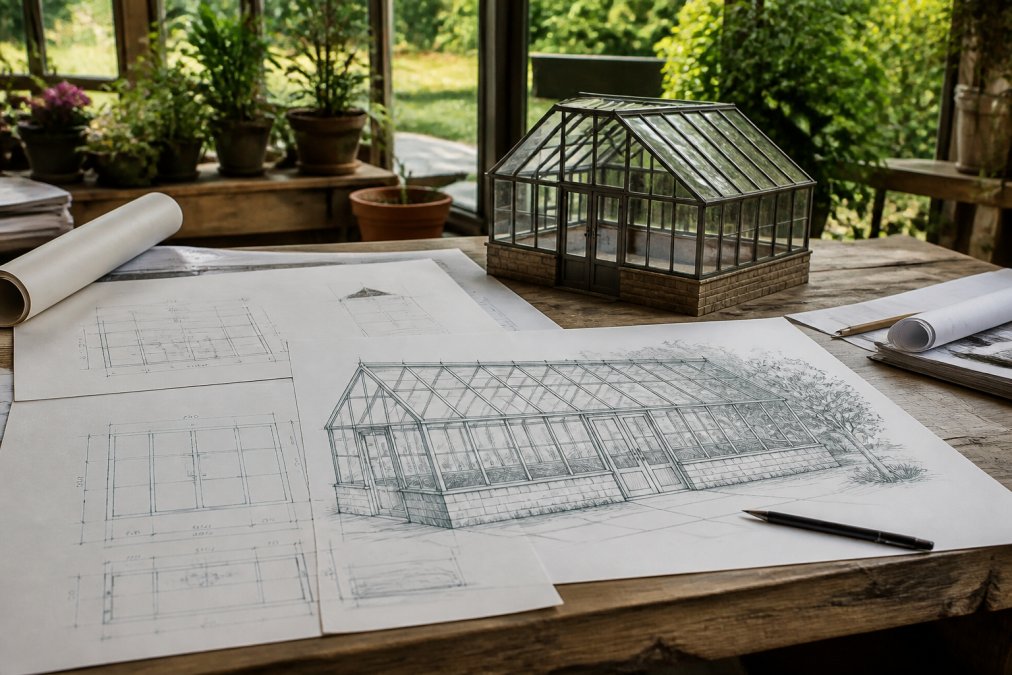
Table of Contents
- Assess Your Space and Growing Needs
- Choose the Right Custom Greenhouse Layout Ideas
- Select Materials Built for Your Climate
- Implement Greenhouse Ventilation Tips for PA Gardeners
- Plan Your Backyard Greenhouse Cost Estimate
- Design Custom Greenhouse Systems and Infrastructure
- Finalize Your Custom Greenhouse Design and Next Steps
Last Updated: August 27, 2026
Assess Your Space and Growing Needs
The first step in designing a custom greenhouse is understanding what you’re working with. Your available space, sunlight exposure, and specific growing goals will determine everything that follows.
Start by measuring your yard and identifying how much direct sunlight different areas receive throughout the day. Most vegetables and flowering plants need at least six hours of direct sun (extension.oregonstate.edu). Walk your property at morning, midday, and late afternoon to see where shadows fall from trees, buildings, or fences.
Next, assess your soil and drainage. If your yard slopes or tends to stay wet, you’ll need a custom greenhouse design that accounts for water management. Understanding your local climate is equally important. In the West Chester area, winters are cold enough that insulation and heating systems become critical considerations. Spring and fall can bring unpredictable weather, so ventilation and temperature control aren’t luxuries, they’re essentials.
Document your growing goals too. Are you starting seeds in spring? Growing year-round vegetables? Maintaining tropical plants or orchids? Each purpose requires different temperature ranges, humidity levels, and structural features. Your custom greenhouse design should reflect what you actually want to grow.
Finally, consider your timeline and budget constraints. Some gardeners want a modest 8×10 structure to extend the season. Others envision a substantial 12×20 greenhouse as a centerpiece of their landscape. Be honest about what you can commit to, both financially and in terms of ongoing maintenance.
Choose the Right Custom Greenhouse Layout Ideas
Your greenhouse layout determines how efficiently you’ll use the space and how comfortable you’ll be working inside. The two most common configurations are gable-roof designs (peaked at the top) and lean-to designs (attached to an existing structure). Gable roofs maximize interior height and are excellent for tall plants or hanging baskets. Lean-to greenhouses save money on construction and integrate seamlessly into existing yards, though they typically offer less interior volume.
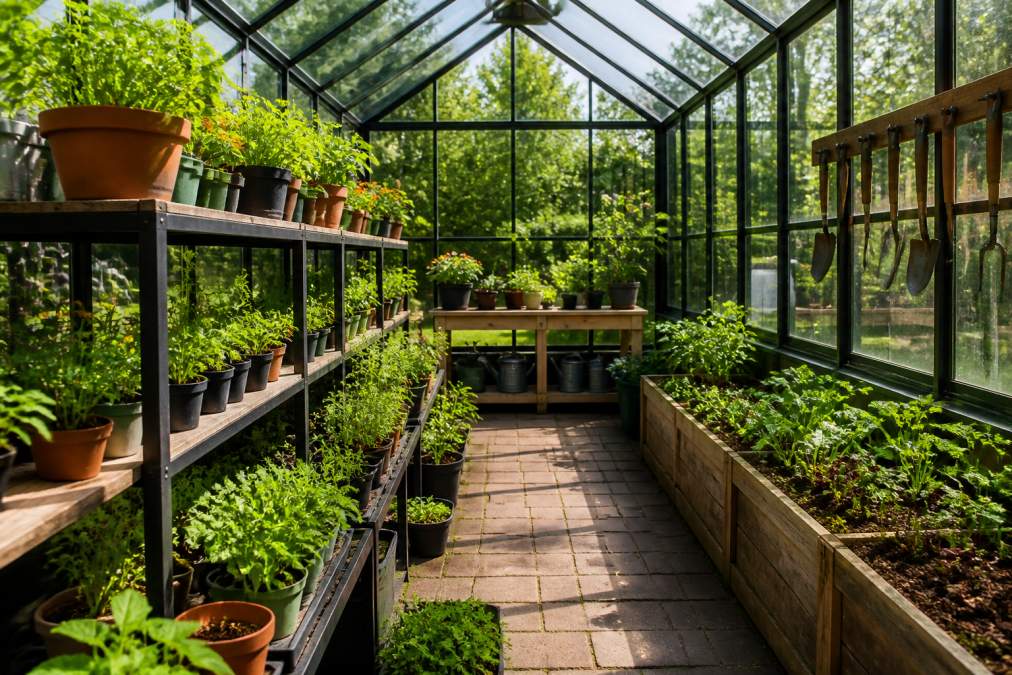
Consider your workflow when planning the layout. Most gardeners benefit from a central pathway with growing areas on either side. If you plan to use benches or shelving, think about heights, waist-high is comfortable for daily work, but lower shelves can maximize vertical space for seedlings or smaller plants.
Orientation matters significantly. In the northern climate of Pennsylvania, a greenhouse positioned to run east-west captures more winter sun than one running north-south. However, if summer heat is a concern, north-south orientation provides better shade control.
Think about entry points and ventilation access too. A single door works for small structures, but a larger custom greenhouse design benefits from doors on opposite ends to create airflow. Windows or vents should be positioned to prevent direct wind from damaging plants while still allowing air circulation. If you’re in West Chester and planning a permanent structure, local zoning might have setback requirements, check with your township before finalizing your layout.
Don’t forget storage. A greenhouse always needs space for pots, soil, tools, and supplies. A well-designed space includes room for the plants themselves plus everything needed to maintain them.
Select Materials Built for Your Climate
Your material choices directly impact durability, maintenance, and long-term performance. The three main covering options are polycarbonate panels, glass, and polyethylene film.
Polycarbonate is increasingly popular for custom greenhouse designs because it offers excellent insulation, diffuses light evenly, and resists impact from hail or branches. It’s lighter than glass, easier to install, and typically costs less. Twin-wall polycarbonate provides better temperature stability than single-wall and is valuable during Pennsylvania’s cold winters.
Glass delivers superior light transmission and longevity, a well-maintained glass greenhouse can last 30+ years. Glass is also easier to clean and doesn’t degrade from UV exposure. However, glass is heavier, more fragile in storms, and significantly more expensive to install.
Polyethylene film is the budget option. It’s inexpensive and easy to replace, making it ideal for experimental gardeners. The tradeoff is that film needs replacement every 2-4 years, offers minimal insulation, and tears easily.
Your frame material is equally important. Pressure-treated wood is affordable but requires maintenance and will eventually rot. Aluminum frames are durable and low-maintenance but conduct heat and cold, creating condensation issues. Galvanized steel offers strength and longevity with minimal maintenance. Many high-quality custom greenhouses use a combination: galvanized steel frame with polycarbonate panels for the best balance of durability, insulation, and cost.
Consider local wind exposure too. Pennsylvania can experience significant wind, especially in spring. Your frame needs to be strong enough to handle it. Riehl Structures, a family-owned business with 30+ years of experience building custom outdoor structures in the West Chester area, understands these regional demands and designs greenhouses that withstand Pennsylvania weather.
Implement Greenhouse Ventilation Tips for PA Gardeners
Proper ventilation is non-negotiable in Pennsylvania. Without it, your greenhouse becomes a heat trap in summer or a humidity prison that breeds disease year-round. Ventilation removes excess heat, reduces humidity, and strengthens plants by mimicking natural air movement.
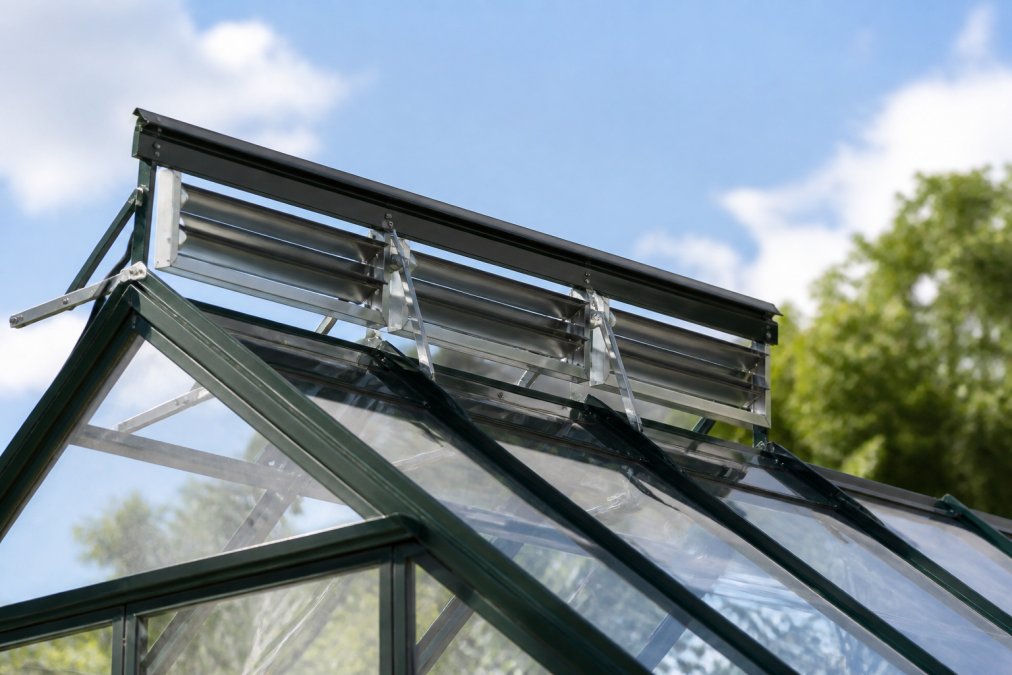
The basic principle is simple: hot air rises, so roof vents allow heat to escape. Louvers or side vents near the base pull in cooler air. A well-designed custom greenhouse design includes vents on opposite sides to create cross-ventilation. For a 10×12 structure, aim for at least 15-20% of your wall area as operable vents (extension.psu.edu).
Automatic vent openers are transformative, especially if you work during the day. These devices use wax-filled cylinders that expand as temperature rises, pushing roof vents open without electricity. They’re inexpensive (typically $30-60 each) and eliminate the need to manually open vents every warm day. For PA gardeners managing variable spring and fall weather, automatic vents prevent constant adjustments that waste time.
Exhaust fans provide mechanical backup. A fan rated for your greenhouse volume can cool a greenhouse 10-15 degrees on hot days (peer-reviewed research). For summer temperatures in West Chester, a modest fan often makes the difference between thriving plants and heat-stressed ones. Thermostat-controlled fans activate automatically.
Humidity management is equally critical. High humidity encourages fungal diseases like powdery mildew and damping-off. Ventilation reduces humidity, but in Pennsylvania’s humid climate, you might need additional strategies. Spacing plants to allow air circulation, removing dead leaves promptly, and watering early in the day all help.
Don’t overlook simple details. Ensure vents open fully and aren’t blocked by plants or equipment. Clean vents regularly so they operate smoothly. In winter, balance ventilation with heat retention, you want air movement without losing all your warmth.
Plan Your Backyard Greenhouse Cost Estimate
Understanding costs helps you make informed decisions about size, materials, and features. A backyard greenhouse cost estimate depends on multiple variables: size, materials, foundation requirements, ventilation systems, and whether you’re building it yourself or having professionals handle installation.
For a basic 8×10 structure with a polycarbonate covering and simple frame, many gardeners invest in quality construction without extreme expense. Larger structures or premium materials increase costs proportionally.
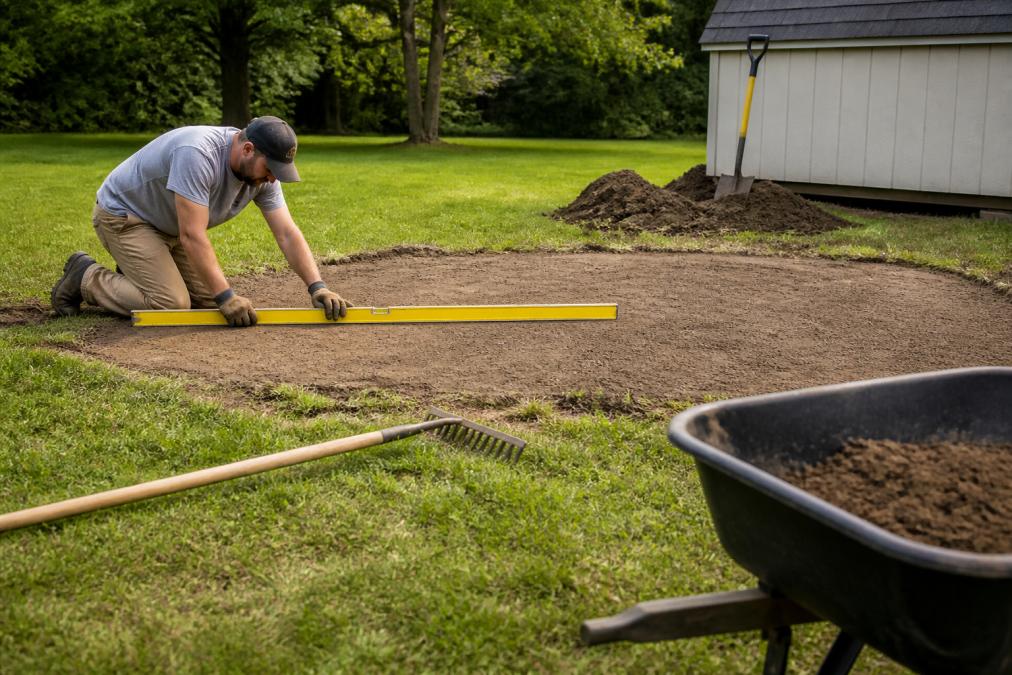
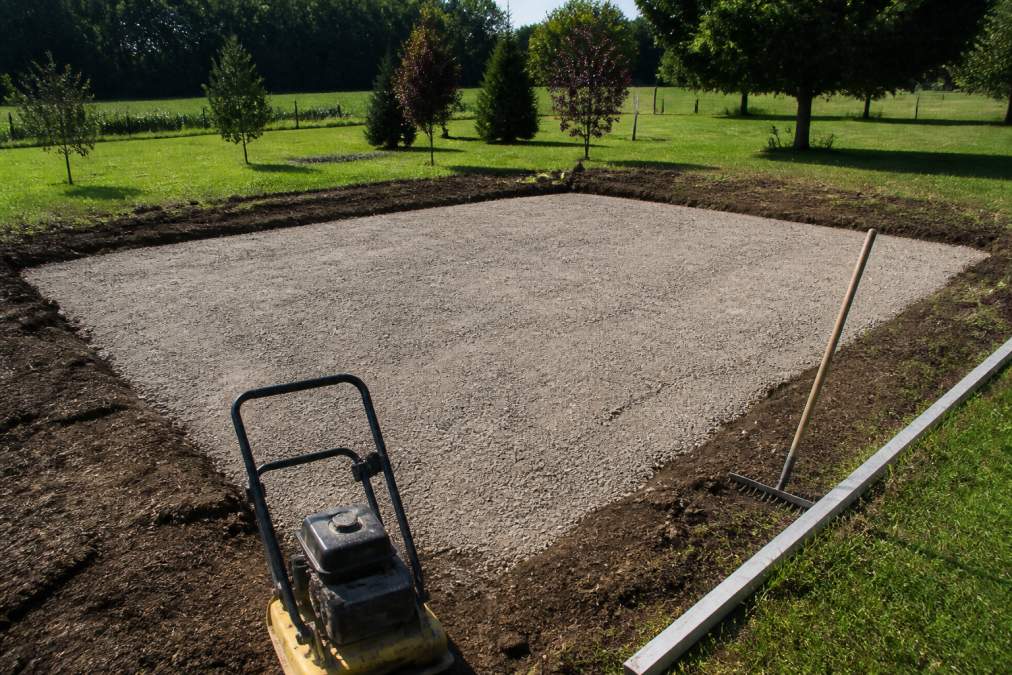
Site preparation affects your backyard greenhouse cost estimate significantly. If your yard is relatively level and well-drained, minimal prep is needed. Some gardeners invest in a gravel base, concrete pad, or raised foundation to ensure proper drainage and longevity.
Consider the long-term value. A well-built greenhouse extends your growing season by months, increases plant survival rates, and reduces pest and disease pressure compared to outdoor gardening. Over five years, the cost per season drops significantly. A greenhouse that costs $3,000-5,000 to build but lasts 20+ years is a far better investment than repeatedly replacing cheap structures that fail after a few years.
Riehl Structures offers flexible financing options with no prepayment penalties and no home equity required, making it easier to invest in a quality custom greenhouse design without straining your budget immediately.
Don’t underestimate maintenance costs. Even durable greenhouses need occasional repairs, replacement panels if damaged, and regular cleaning. Budget for these ongoing expenses when planning your custom greenhouse design.
Design Custom Greenhouse Systems and Infrastructure
Beyond the basic structure, your custom greenhouse design needs supporting systems: heating, irrigation, and shelving or benches.
Heating is essential in Pennsylvania winters. Passive solar heat helps, but most gardeners need supplemental heat. Space heaters designed for greenhouses are common and relatively affordable. For serious year-round growing, a more permanent system like a small wood stove, electric heater on a thermostat, or heat pump might be justified.
Irrigation systems save time and deliver water more consistently than hand-watering. Soaker hoses or drip irrigation lines deliver water directly to soil, reducing waste and preventing wet foliage. For a modest greenhouse, a simple timer on a hose connection works fine.
Shelving and benching determine how much you can grow in your space. Metal or wood benches with slatted tops allow air circulation and drainage. Tiered shelving maximizes vertical space. Many gardeners use a combination: ground-level beds for larger plants, mid-height benches for pots, and high shelves for seedlings or hanging baskets.
Shade systems prevent summer overheating and reduce light intensity for shade-loving plants. Shade cloth (30-50% density is typical) can be installed on the roof or sides. In West Chester’s sometimes-intense summer sun, shade systems prevent temperatures from becoming prohibitively high.
Consider storage and workspace. A small potting bench or shelf for soil, pots, and tools keeps everything organized and accessible.
Finalize Your Custom Greenhouse Design and Next Steps
Once you’ve considered your space, layout, materials, ventilation, costs, and systems, you’re ready to finalize your custom greenhouse design. Review your decisions against your original growing goals. Does your design support what you want to grow? Have you accounted for Pennsylvania’s climate challenges? Are ventilation and heating adequate?
Sketch your design or use simple drawings to visualize the final result. Include dimensions, door and vent locations, bench or shelf placement, and utility access.
If you’re building yourself, gather all materials and tools before starting. If you’re working with a professional builder, detailed plans ensure everyone understands the vision. Riehl Structures specializes in custom-designed outdoor structures tailored to your specific needs, with 30+ years of experience building quality structures in the West Chester and King of Prussia areas. Free delivery within 30 miles and flexible financing make the process stress-free.
Before construction begins, check local zoning requirements. Some townships require permits for structures over a certain size or in specific setback locations. A quick call to your local building department clarifies requirements and prevents costly delays later.
Document your design decisions and keep records of materials, costs, and installation dates. Photographs of the finished greenhouse serve as a reference for seasonal adjustments and troubleshooting.
Your custom greenhouse design is now complete. What began as an idea, extending your growing season, protecting plants from harsh weather, or creating a dedicated space for your gardening passion, has become a concrete plan. The greenhouse you build will serve your garden for years to come, transforming how you grow and what you can achieve as a gardener in Pennsylvania.
Building a custom greenhouse is a rewarding investment in your gardening future. The right design, materials, and systems make year-round growing possible and enjoyable. At Riehl Structures, we understand the specific challenges Pennsylvania gardeners face: unpredictable weather, cold winters, and humid summers. Get a quote now and start planning the greenhouse that will transform your gardening experience.
| Design Element | Key Consideration | Impact on Success |
|---|---|---|
| Space & Sunlight | 6+ hours direct sun, level yard | Determines plant health and growth |
| Layout | Central pathway, tiered shelving | Maximizes usable space and workflow |
| Materials | Polycarbonate vs. glass vs. film | Affects durability, insulation, maintenance |
| Ventilation | Roof vents, louvers, fans | Prevents heat stress and disease |
| Heating | Thermostat-controlled system | Enables winter growing in Pennsylvania |
| Irrigation | Drip lines or soaker hoses | Saves time and improves consistency |
| Shade | 30-50% shade cloth | Prevents summer overheating |
Measure your yard’s sunlight at different times of day before finalizing your greenhouse location. A spot that looks sunny in March might be shaded by tree growth in July. Getting this right prevents years of regret.
Skipping proper ventilation design is the most common mistake. Even a well-built greenhouse becomes a disease incubator without adequate air circulation. Automatic vent openers are inexpensive insurance against this problem.
Homeowners in the West Chester and King of Prussia area who want a permanent, high-quality greenhouse that handles Pennsylvania’s climate without constant adjustments or repairs.
Frequently Asked Questions
Q: What size custom greenhouse design works best for a small backyard?
A: Start by measuring your available space and considering how much you want to grow. Most gardeners find that 8×10 or 10×12 feet provides enough room for seasonal vegetables and herbs without overwhelming a typical backyard. Taller designs (7-8 feet) maximize vertical growing space. If you're limited, vertical shelving and hanging systems can double your growing capacity in the same footprint. Riehl Structures can help you design a layout that fits your exact space and growing goals.
Q: What materials are best for greenhouses in the Pennsylvania climate?
A: Polycarbonate panels and tempered glass are the top choices for durability in Pennsylvania winters. Polycarbonate is lighter, more affordable, and provides excellent insulation with UV protection. Tempered glass offers superior clarity and longevity but costs more. For framing, treated wood and aluminum withstand seasonal temperature swings and moisture. Amish-built greenhouses use quality materials selected specifically for regional climate demands, ensuring your structure performs through freeze-thaw cycles and heavy snow loads.
Q: Do I need a foundation for a custom greenhouse design?
A: Yes, a proper foundation is essential. A concrete pad, gravel base, or treated lumber frame prevents shifting, improves drainage, and protects against frost heave during Pennsylvania winters. The foundation also keeps the structure level for proper door and window operation. Many gardeners skip this step to save money upfront, but it leads to costly repairs later. Budget for a solid foundation as part of your custom greenhouse design.
Q: How do I maximize growing space in a custom greenhouse layout?
A: Use vertical shelving, hanging baskets, and tiered benches to grow more plants in the same footprint. Orient your benches to capture maximum sunlight. Install shelving at different heights to accommodate plants with varying light needs. Keep pathways narrow but functional. Group plants by water and light requirements to improve efficiency. Proper ventilation tips for PA gardeners include positioning vents and fans to ensure air reaches all plants equally, preventing disease and stunted growth in crowded layouts.
This article was written using GrandRanker

Copy Link