How to Declutter Your Backyard and Garden: Step-by-Step
Copy Link
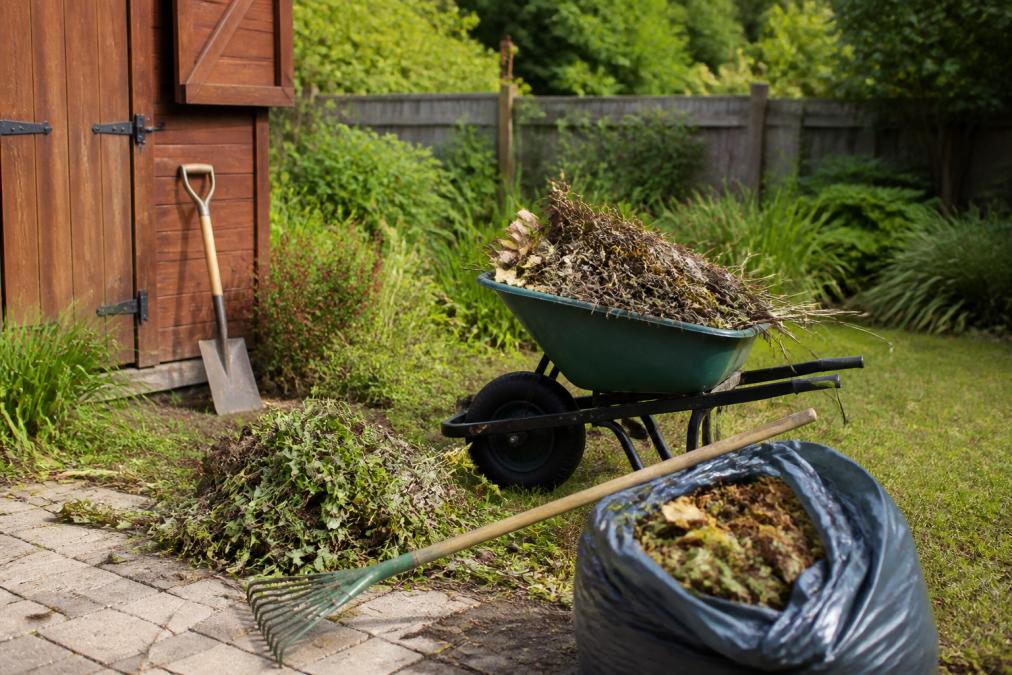
Table of Contents
- Assess Your Space and Make a Plan
- Remove Dead Plant Matter and Debris
- Sort and Organize Your Garden Tools
- Tackle Overgrown Vegetation and Weeding
- How to Dispose of Yard Waste Responsibly
- Use a Decluttering Neglected Garden Checklist
- Safety Precautions and Protective Gear
- Create Long-Term Garden Maintenance Habits
Last Updated: August 16, 2026
Assess Your Space and Make a Plan
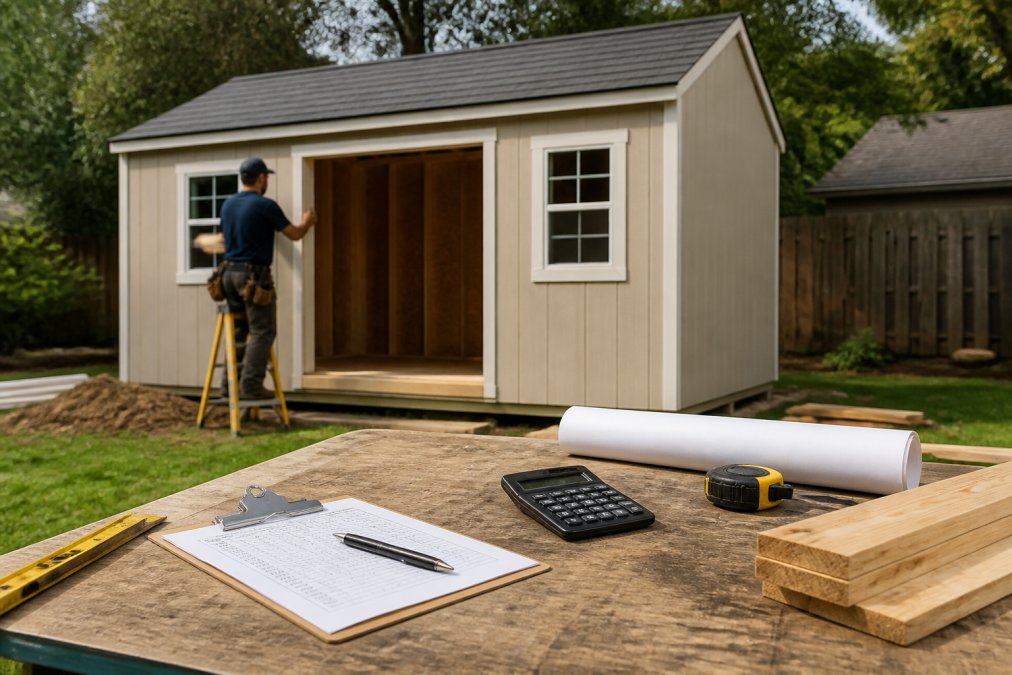
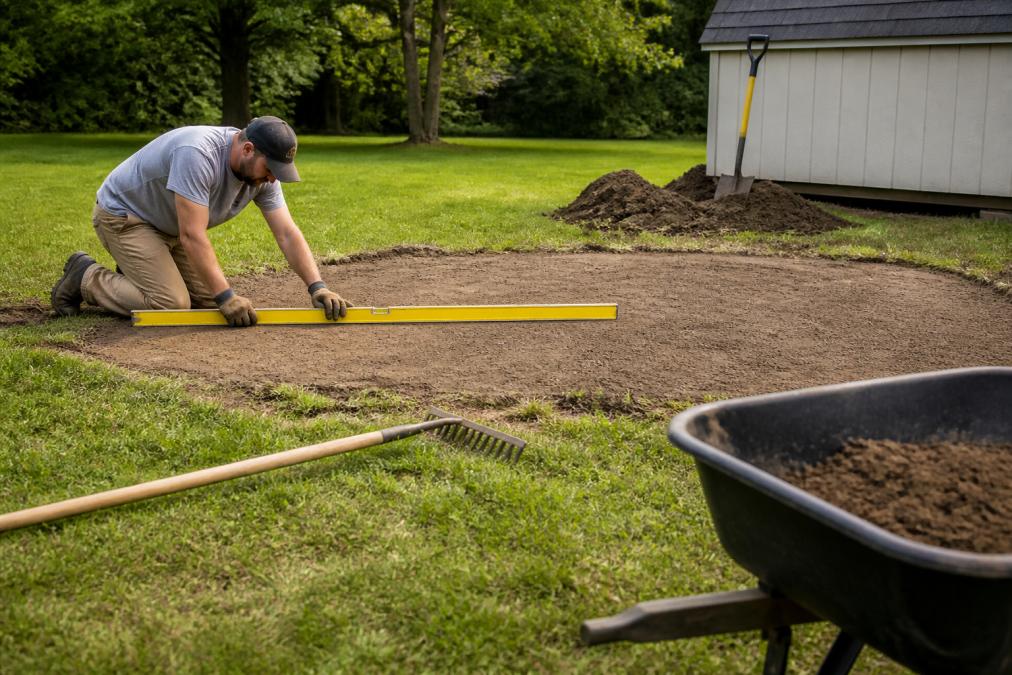
Before grabbing a shovel, take a step back. The biggest mistake homeowners make is diving in without a strategy, ending up moving piles around and burning out halfway through.
Walk your entire yard for 15 minutes, observing problem zones. Is overgrown vegetation choking the patio? Dead plant matter piled against the fence? Garden tools scattered across the ground? Take photos of the current state for motivation and to identify clutter patterns, most homeowners discover their clutter clusters in specific zones near the shed, seating areas, or pathways.
Create a simple three-part plan: identify what stays (active garden beds, frequently used tools, seating areas), identify what goes (dead vegetation, broken tools, unused containers), and map out disposal and storage solutions before moving anything.
Take measurements of your space in square metres. Knowing your actual dimensions helps you plan storage solutions and understand scale.
Remove Dead Plant Matter and Debris
Dead vegetation is the fastest way to make a garden look neglected. Start here for immediate momentum.
Walk through your beds and identify dead plant material: dried-out perennials, fallen branches, and brown vegetation. Pull or cut it away using pruning shears for woody stems and your hands for softer material. Work systematically from one end to the other.
Have a wheelbarrow or garden bags nearby to collect material as you go. This keeps your workspace clear and prevents moving the same pile twice. Pay attention to edges and corners where debris accumulates naturally, leaves blow into corners along fences, dead stems collect near shrub bases, and branches gather under trees.
Wear gloves and eye protection when removing dead vegetation. Dry branches can splinter, and hidden debris can cause eye injuries.
Sort and Organize Your Garden Tools
Most backyards have tools scattered across multiple locations. Consolidating them is essential to decluttering.
Gather every tool you can find from the shed, garage, under the deck, and behind the fence. Lay them out in one spot to see your full inventory. Sort into three piles: keep (tools you use regularly in good condition), donate (tools that work but you don’t need), and discard (broken tools not worth repairing).
Establish one primary storage location where every tool has a designated spot, not scattered across your property.
Garden Tool Storage Ideas for Small Spaces
Vertical storage is your friend in limited space. Wall-mounted pegboards, tool racks, and hanging systems transform dead wall space into functional storage. A single 4-by-8-foot wall can hold dozens of tools organized and visible.
For frequently used tools like pruning shears and hand trowels, keep them in a small caddy near your main work area. Magnetic strips mounted inside a shed door hold metal tools without taking up floor space. Hooks and clips on walls store coiled hoses and ropes.
Consider whether a dedicated storage structure makes sense for your situation. Riehl Structures offers custom-built sheds designed specifically for garden storage, with options for shelving, workbenches, and organization systems built in. Vertical storage beats horizontal storage in small spaces.
Tackle Overgrown Vegetation and Weeding
Overgrown vegetation is the single most visible sign of a neglected garden. Trimming it back creates an immediate transformation.
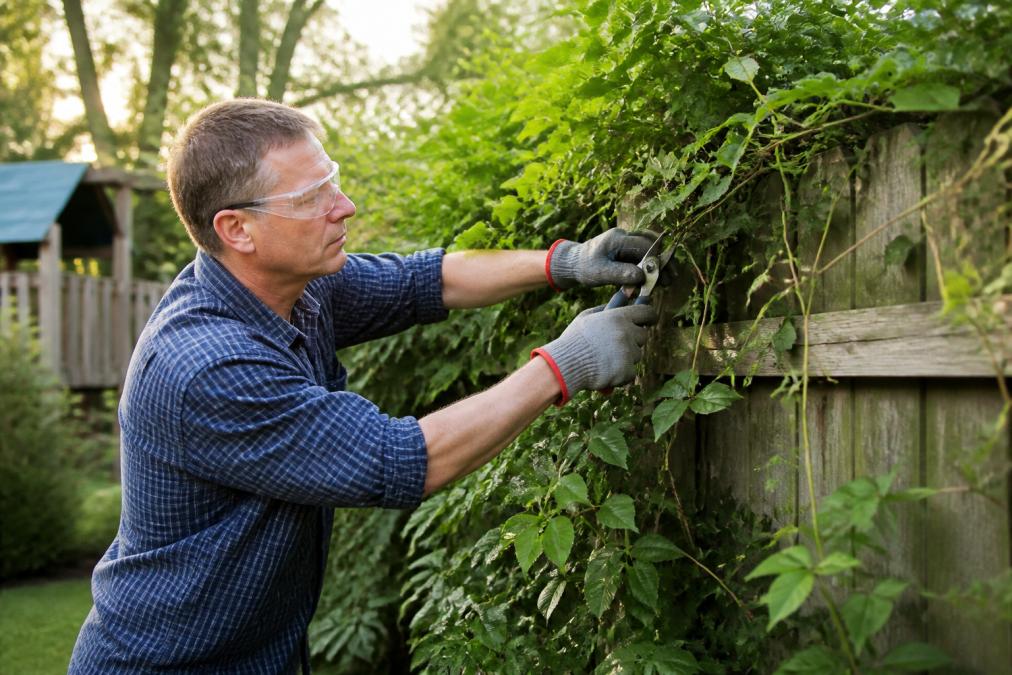
Start with the biggest offenders: shrubs that have grown beyond their intended size, vines creeping across structures, and branches overhanging pathways. Use appropriate tools, pruning shears for branches up to about half an inch thick, a pruning saw for thicker branches, and a hedge trimmer for heavy overgrowth. Wear safety gear including gloves, eye protection, and long sleeves.
Trim conservatively if unsure. Remove dead wood first, then shape living growth. Step back frequently to assess your progress.
Weeding transforms garden beds. Pull weeds by hand from soft soil or use a weeding fork for deep-rooted weeds. Work one bed at a time rather than trying to weed your entire garden in one day. Weeds in recently worked soil come out more easily.
Overgrowth and weeds are the fastest way to make a space look neglected. Removing them creates an immediate visual transformation.
How to Dispose of Yard Waste Responsibly
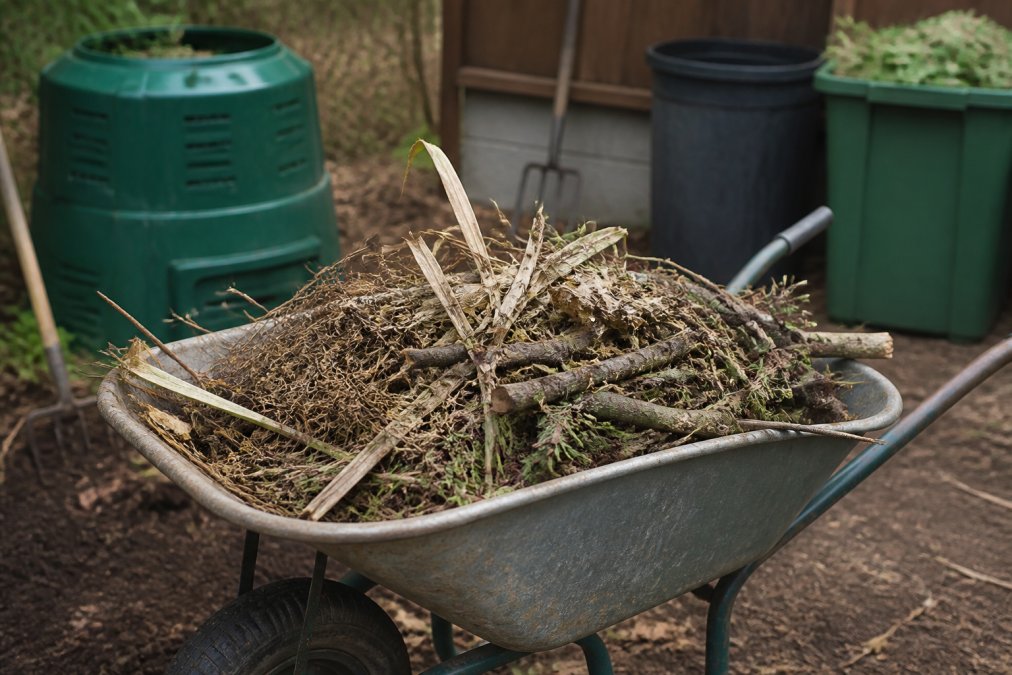
Most communities have yard waste collection programs. Check your local municipality’s website for pickup schedules and guidelines. If your community doesn’t offer pickup, a local landscaping company may accept yard waste for a fee.
Composting is an eco-friendly option if you have space. A simple compost bin accepts leaves, grass clippings, and plant debris, becoming nutrient-rich compost for your garden. Some communities have brush collection programs for larger woody material.
Never burn yard waste unless your local regulations explicitly permit it. Disposal through official channels is safer and more responsible.
Homeowners with limited space who want to reduce their environmental impact. Composting even a portion of your yard waste significantly reduces what goes to landfills.
Use a Decluttering Neglected Garden Checklist
A structured checklist keeps you focused and prevents overwhelm.
| Task | Purpose | Timeline |
|---|---|---|
| Walk entire property and assess problem zones | Identify priorities and plan approach | 15 minutes |
| Remove dead plant matter and debris | Create immediate visual improvement | 1-2 hours |
| Gather and sort all garden tools | Consolidate scattered equipment | 1 hour |
| Establish tool storage system | Create organized, accessible storage | 1-2 hours |
| Trim overgrown vegetation and branches | Restore intentional garden shape | 2-4 hours |
| Weed garden beds systematically | Clear living space for plants | 1-3 hours |
| Arrange yard waste disposal | Remove accumulated debris | 30 minutes |
| Organize containers and pots | Reduce visual clutter | 1 hour |
| Clean hardscape (patio, walkways) | Complete the refresh | 1-2 hours |
Work through this checklist in order. Each completed item builds momentum and creates visible progress. Print the checklist and check items off as you complete them.
Safety Precautions and Protective Gear
Backyard work involves hazards most people don’t think about until something goes wrong. Proper gear prevents injuries.
Work gloves protect your hands from splinters and sharp edges. Eye protection is non-negotiable when pruning or trimming. Long sleeves and long pants protect against scratches and irritating plant oils. Wear closed-toe shoes with good traction.
Sun protection matters during long work sessions. Sunscreen prevents burns; a hat reduces heat exhaustion. Work during cooler parts of the day if possible. Stay hydrated and know your physical limits. A project spread across multiple days is better than an injury.
Never use power tools alone. If you’re using a chainsaw, hedge trimmer, or other power equipment, have someone nearby who can call for help if something goes wrong.
Create Long-Term Garden Maintenance Habits
Decluttering your backyard is the hard part. Maintaining it is about consistency.
Establish a weekly maintenance routine of 20-30 minutes removing dead leaves, pulling new weeds, and tidying tools back into storage. This prevents the accumulation that leads to a neglected garden. Weekly work is far easier than annual cleanup.
Seasonal deep work prevents overwhelming projects. In spring, focus on pruning and planting. In summer, maintain weeds and deadhead flowers. In fall, remove dead vegetation. In winter, organize tools and plan for spring.
Schedule specific times rather than waiting until you feel motivated. Keep your tool storage organized by returning everything to its designated spot immediately after use. Consider whether a storage structure improves your long-term maintenance. Riehl Structures designs custom storage solutions for West Chester area homeowners that make garden maintenance genuinely easier.
Document your progress with monthly photos. This creates accountability and lets you see improvements that feel subtle day-to-day.
A decluttered backyard and garden transforms how you use your outdoor space. The work is concentrated and challenging, but the payoff lasts for years if you maintain it. Start with your assessment and plan, work through the checklist systematically, and focus on creating habits that prevent accumulation. For homeowners in West Chester looking to maximize their outdoor space, a well-organized yard with proper tool storage and regular maintenance habits creates the foundation for a backyard where memories are made. Riehl Structures can help you build that foundation with custom storage solutions designed for your specific needs. Get a quote now and discover how the right structure transforms your entire approach to garden maintenance.
Frequently Asked Questions
What is the best way to dispose of garden waste?
Garden waste disposal depends on the type of debris. Leaves, grass clippings, and small branches can be composted or placed in yard waste bins for municipal pickup. Larger branches and wood can be chipped for mulch or taken to a local recycling facility. Many areas offer free yard waste drop-off days. Check with your local waste management for specific guidelines. Avoid burning debris unless permitted in your area.
How often should you declutter your garden?
Declutter your garden at least twice yearly: spring (after winter) and fall (before winter). Spring cleanup removes dead vegetation and prepares beds for planting. Fall cleanup removes leaves, dead plants, and prepares the garden for dormancy. Weekly maintenance during growing season prevents major accumulation. Seasonal decluttering keeps your outdoor space organized, reduces pest habitat, and makes the garden more enjoyable throughout the year.
What should I keep and what should I toss when cleaning the yard?
Keep tools in good working condition, healthy plants, and quality containers. Toss broken or rusted tools, dead vegetation, cracked pots, and items you haven't used in two years. Donate gently used items to local gardeners or community gardens. If unsure about a plant, remove it if it's diseased or overcrowding the space. Sort by category first, tools, pots, plants, furniture, to make decisions easier and faster.
What protective gear do I need for backyard decluttering?
Essential protective gear includes work gloves to prevent cuts and blisters, eye protection to shield from flying debris, long pants and sleeves, sturdy closed-toe boots, and a dust mask when handling dried debris or compost. If using power tools or heavy equipment, add hearing protection. Sunscreen and a hat protect against sun exposure during outdoor work. Proper gear prevents injuries and makes the job more comfortable during extended cleanup sessions.
This article was written using GrandRanker

Copy Link