Benefits of Handmade Wooden Gazebos: The Complete Guide
Copy Link
Table of Contents
- What Makes Handmade Wooden Gazebos Worth the Investment
- Natural Insulation and Year-Round Comfort Benefits
- Aesthetic Appeal and Garden Integration
- Best Wood for Outdoor Gazebos: Cedar, Redwood, and Pressure-Treated Pine
- Wooden Gazebo Maintenance Tips for Long-Term Durability
- Wooden Gazebo vs Metal Gazebo: Why Wood Wins
- Foundation and Site Preparation for Structural Integrity
- UV Protection, Shade, and Backyard Functionality
Last Updated: July 12, 2026
When envisioning your ideal outdoor living space, handmade wooden gazebos deliver natural beauty, superior durability, and genuine functionality that transforms how families use their backyards. At Riehl Structures, we’ve spent decades helping homeowners understand why wooden gazebos stand apart from mass-produced alternatives.
What Makes Handmade Wooden Gazebos Worth the Investment
The real difference between a handmade wooden gazebo and a standard metal structure comes down to craftsmanship and material properties. A skilled builder assesses your soil composition, drainage patterns, and local weather exposure before finalizing the design, preventing the settling, warping, and structural issues that plague poorly-planned installations. Metal gazebos arrive with fixed dimensions and limited customization, you adapt your yard to the structure, not the other way around.
Handmade wooden gazebos can be tailored to match your home’s architectural style, accommodate existing landscaping, and integrate with your specific outdoor living workflow. Need the structure positioned to frame a garden focal point? Want built-in seating or hot tub integration? A handcrafted approach makes these modifications feasible. Factory-built alternatives force you to work around their limitations.
When comparing quotes, ask builders about their foundation assessment process. Builders who spend time evaluating your specific site conditions typically deliver structures with fewer problems over time.
Natural Insulation and Year-Round Comfort Benefits
Wood possesses thermal properties that metal and aluminum cannot replicate. The cellular structure of timber provides natural insulation, creating a microclimate inside your gazebo that feels noticeably different from standing in direct sun or under a metal roof.
On a 95-degree day, the temperature under a wooden gazebo roof typically runs 8-12 degrees cooler than under metal or aluminum. The wood absorbs and dissipates heat gradually rather than conducting it directly into the space below. This natural insulation extends your comfortable outdoor season significantly, you can use the space earlier in spring and later into fall without the oppressive heat that metal structures generate.
The thermal mass of wood also stabilizes temperature swings. Metal heats rapidly in sun and cools rapidly in shade, creating uncomfortable fluctuations. Wood moderates these changes, maintaining steadier conditions throughout the day. For families planning year-round use, this thermal stability becomes a genuine quality-of-life improvement.
Aesthetic Appeal and Garden Integration
A wooden gazebo functions as a garden focal point in ways that metal structures never achieve. The warmth of natural wood tones, whether cedar’s honey hues, redwood’s deep reds, or pressure-treated pine’s lighter finish, creates visual continuity with landscaping and hardscaping that cold metal cannot match.
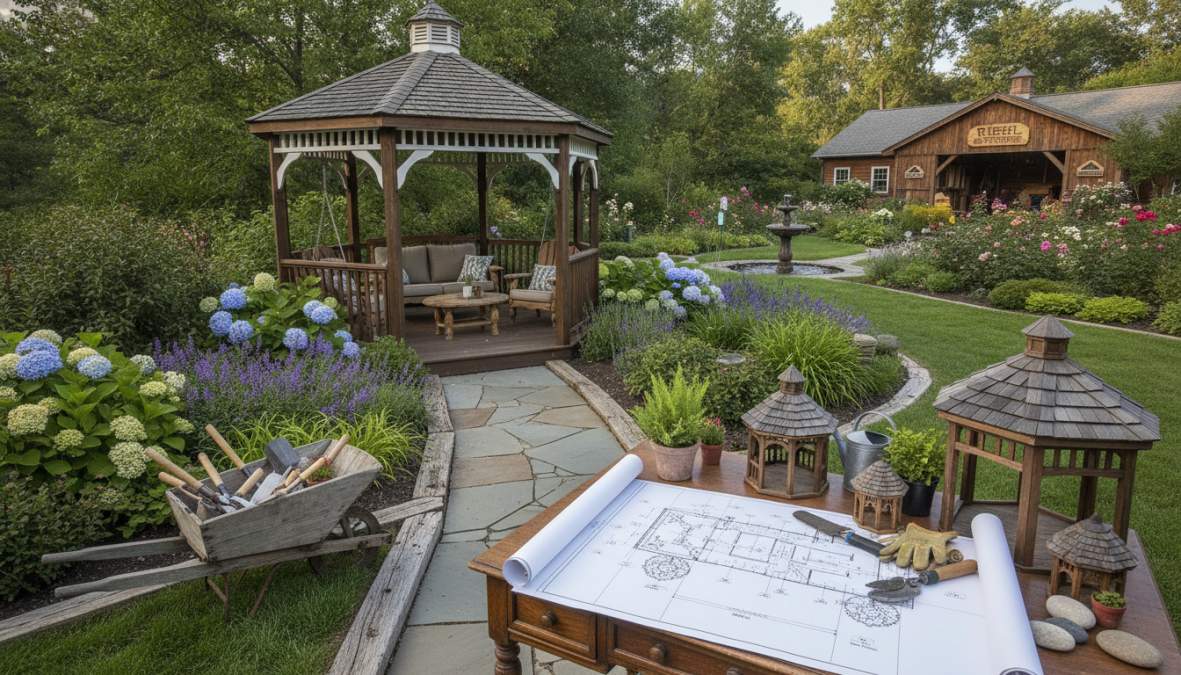
A well-positioned wooden gazebo anchors your outdoor living space and defines how traffic naturally flows through the garden. These structures create gathering points, frame views, and add layers of visual depth to your landscape. Wood also ages gracefully, over time, untreated wood develops a silvery patina that many homeowners find more beautiful than the original finish.
Handmade wooden gazebos can incorporate railings, decorative brackets, cupolas, or specific roof styles that reflect your home’s character. These details transform the structure from functional shelter into a genuine architectural element that increases your property’s visual appeal and perceived value.
The aesthetic integration of a wooden gazebo often matters more to long-term satisfaction than any single functional feature. Homeowners report that the visual impact becomes the aspect they value most after five years of ownership.
Best Wood for Outdoor Gazebos: Cedar, Redwood, and Pressure-Treated Pine
Your wood species choice determines how your gazebo will perform against weather exposure, resist rot and insect damage, and maintain its appearance over decades.
Cedar: Rot Resistance and Natural Beauty
Cedar stands out as the premium choice for outdoor gazebos because of its natural rot resistance and aesthetic appeal. The wood contains natural oils and compounds that inhibit decay-causing fungi and repel many insects. Fresh-cut cedar displays warm honey and reddish tones that complement most landscape designs.
Cedar’s workability makes it the preferred choice for builders creating custom details. Railings, decorative brackets, and architectural embellishments are easier to craft from cedar than from harder woods. However, cedar requires maintenance to preserve its appearance. Without regular staining or sealing, cedar gradually weathers to silvery gray. A fresh stain every 2-3 years maintains the warm tones that initially attracted you.
Redwood: Premium Durability and Weather Resistance
Redwood represents the highest-performance option for wooden gazebos, particularly in regions with significant weather exposure. The wood’s density, grain structure, and natural tannins create exceptional durability that exceeds cedar in most measurable performance categories.
Redwood’s rot resistance surpasses cedar, making it the logical choice for gazebos in high-moisture environments, coastal regions, or areas with harsh weather exposure. Fresh redwood displays warm burgundy and deep red hues that darken beautifully over time. Redwood’s density also means it accepts stain and sealant more uniformly than cedar, creating more consistent color across the entire structure.
The trade-off with redwood is availability and cost. Redwood is less commonly available than cedar in many regions, and when available, it commands a significant price premium.
Pressure-Treated Pine: Affordability and Longevity
Pressure-treated pine offers the most economical entry point into handmade wooden gazebos without sacrificing structural longevity. Modern pressure-treatment processes infuse the wood with preservatives that prevent rot and insect damage, extending the wood’s effective lifespan dramatically.
The structural integrity of pressure-treated pine equals or exceeds cedar and redwood when properly installed and maintained. Where pressure-treated pine falls short is aesthetic appeal, the greenish or grayish cast doesn’t integrate seamlessly with most landscape designs. However, this limitation is entirely addressable through staining. A quality exterior stain applied to pressure-treated pine creates a finished appearance that rivals cedar or redwood.
| Wood Type | Rot Resistance | Insect Resistance | Cost Level | Maintenance Frequency | Best For |
|---|---|---|---|---|---|
| Cedar | Natural oils provide good resistance | Good natural resistance | Medium | Every 2-3 years | Balanced aesthetics and durability |
| Redwood | Superior natural resistance | Excellent natural resistance | High | Every 2-3 years | High-exposure environments |
| Pressure-Treated Pine | Chemical treatment provides excellent resistance | Chemical treatment provides excellent resistance | Low | Every 2-3 years | Budget-conscious installations |
Wooden Gazebo Maintenance Tips for Long-Term Durability
The difference between a wooden gazebo that lasts 15 years and one that lasts 40+ years typically comes down to maintenance consistency rather than initial material selection.
Staining and Sealing: Protecting Against Weather Exposure
Staining and sealing serve different but complementary purposes in protecting your wooden gazebo. Sealing creates a water-resistant barrier that prevents moisture penetration into the wood grain. Staining adds color while providing UV protection that prevents the wood from graying and becoming brittle.
Many builders recommend waiting 6-12 months after construction before the initial staining. This waiting period allows the wood to weather slightly and accept stain more uniformly. A quality exterior stain should be reapplied every 2-3 years, depending on your climate and sun exposure. Gazebos in full-sun locations with significant UV exposure may need more frequent staining than those in partially shaded positions.
When selecting stain, choose products specifically formulated for exterior wood exposure. Sealing should occur before staining in most cases, a clear or tinted sealer penetrates the wood and prevents moisture from entering the grain. Stain then sits on top of this sealed surface, providing color and additional UV protection.
Neglecting staining for more than 3-4 years allows UV damage to advance significantly. Once wood becomes grayed and brittle, stain cannot fully restore the original appearance. Prevention through regular maintenance is far more effective than attempting to restore severely damaged wood.
Seasonal Care and Preventing Warping and Insect Damage
Seasonal maintenance prevents small issues from compounding into major problems. Spring cleaning removes debris that traps moisture against the wood. Summer inspection catches early signs of damage before they spread. Fall preparation protects the structure heading into winter.
Warping occurs when wood absorbs moisture unevenly, causing the grain to expand and contract differently. Prevention starts with ensuring proper drainage around the gazebo foundation, water should never pool beneath or around the structure. Ventilation inside the gazebo matters significantly; air circulation prevents moisture from accumulating in enclosed spaces where fungal growth and rot initiation occur.
Insect damage, particularly from carpenter ants and wood-boring beetles, typically targets wood that’s already weakened by moisture or decay. Prevention focuses on keeping the wood dry and treating any early signs of damage immediately. Regular inspection, at least quarterly, catches problems early when they’re easiest and least expensive to address.
Wooden Gazebo vs Metal Gazebo: Why Wood Wins
Metal gazebos conduct heat aggressively, making them uncomfortable during hot weather and cold during winter. Metal also rusts and corrodes over time, requiring regular maintenance to prevent deterioration. Wooden structures, when properly maintained, improve with age rather than degrading.
The noise profile differs dramatically between materials. Metal amplifies rain sounds into a deafening roar that makes the space unusable during storms. Wood dampens sound naturally, creating a peaceful environment even during precipitation.
Customization possibilities favor wooden gazebos overwhelmingly. Metal structures arrive as fixed designs with limited modification options. Wooden gazebos can be customized to match your home’s architecture, accommodate your specific site conditions, and integrate with your landscaping vision.
The aesthetic integration of wood into landscapes is fundamentally superior to metal. Wooden gazebos become architectural features that enhance your property’s character and perceived value. Longevity comparisons also favor wood, wooden gazebos, particularly those built with quality materials and maintained consistently, function for 30+ years, while metal gazebos typically require replacement every 10-15 years.
Foundation and Site Preparation for Structural Integrity
The foundation determines whether your wooden gazebo will stand straight and solid for decades or gradually settle and shift, creating structural stress that leads to warping and failure. Your site assessment should evaluate soil composition, drainage patterns, frost depth, and existing vegetation.
Frost depth matters in cold climates. Footings must extend below the frost line, the depth to which ground freezes in winter. If footings don’t go deep enough, frost heave can lift the structure during winter, shifting it out of position. Proper frost line assessment prevents these seasonal movement issues.
Drainage is non-negotiable. Water pooling beneath or around your gazebo accelerates rot in the structure’s base and promotes fungal growth that causes decay. Site preparation should include grading that slopes away from the gazebo, directing water away from the foundation.
The choice between concrete footings, gravel pads, or other foundation systems depends on your specific site conditions and local building codes. Concrete footings provide the most durable, long-lasting solution in most situations by preventing wood from direct soil contact, which is where most rot initiation occurs.
UV Protection, Shade, and Backyard Functionality
The shade provided by a wooden gazebo creates genuine outdoor living space rather than just shelter. The roof structure blocks direct UV radiation while allowing air circulation that prevents the stagnant heat that metal or solid structures create.
UV protection matters for both people and materials. The wood itself requires UV protection through staining to prevent graying and brittleness. For people spending time in the gazebo, the shade reduces UV exposure and skin cancer risk.
The traffic flow benefits of a well-positioned wooden gazebo often exceed initial expectations. A strategically placed structure creates natural gathering points, defines pathways through your yard, and organizes your outdoor living space. Shade patterns change throughout the day and across seasons, a gazebo positioned to provide afternoon shade in summer might receive morning sun in winter, creating useful thermal variation.
The integration of amenities within the gazebo, such as hot tub installation or built-in seating, depends on the shelter and functionality that the structure provides. A wooden gazebo’s natural insulation and weather protection make these integrations genuinely comfortable and usable.
The decision to invest in a handmade wooden gazebo ultimately comes down to prioritizing quality, customization, and long-term value over initial cost savings. Riehl Structures specializes in custom-designed wooden gazebos that integrate seamlessly with your specific backyard conditions and aesthetic vision. Our Amish-built structures combine premium materials with meticulous craftsmanship that ensures decades of reliable performance. With flexible financing options, free delivery within 30 miles of our West Chester and King of Prussia locations, and a commitment to stress-free customer experience, we make transforming your backyard into a genuine outdoor living space accessible and straightforward. Get a quote now and discover how a handmade wooden gazebo can anchor your outdoor living vision.
Frequently Asked Questions
Are wooden gazebos worth the investment?
Yes. Handmade wooden gazebos offer long-term value through durability, aesthetic enhancement, and property value appreciation. Unlike mass-produced alternatives, custom wood structures provide superior craftsmanship, natural insulation properties, and the ability to integrate seamlessly into your outdoor living space. With proper maintenance including staining and seasonal care, a quality wooden gazebo can serve as a reliable shelter and garden focal point for decades, making the initial investment worthwhile.
What is the best wood for a handmade gazebo?
Cedar and redwood are premium choices offering excellent rot resistance and natural weather durability. Cedar provides a balance of beauty and longevity with natural insect resistance. Redwood offers superior durability and aesthetic appeal. Pressure-treated pine is a more affordable option with excellent rot resistance when properly maintained. Your choice depends on budget, climate exposure, and desired lifespan. Each wood type requires different staining schedules and maintenance approaches to protect against warping and weather damage.
How long do handmade wooden gazebos last?
With proper maintenance, handmade wooden gazebos can last 15-20+ years or longer. Durability depends on wood species selection, foundation quality, climate conditions, and maintenance consistency. Cedar and redwood structures last longer than pressure-treated pine in harsh weather. Regular staining, sealing, and seasonal inspections prevent structural integrity issues like warping and insect damage. Year-round usability and protection from UV exposure through proper maintenance significantly extend your gazebo's lifespan.
Do wooden gazebos require a lot of maintenance?
Wooden gazebos require regular but manageable maintenance. Plan for staining every 2-3 years, seasonal inspections for weather damage, and prompt repairs to prevent rot. Tasks include clearing debris, checking for insect damage, and resealing exposed wood. Pressure-treated wood requires less frequent staining than cedar or redwood. The maintenance investment protects your structure's durability and aesthetic appeal, preventing costly repairs. Many owners find the maintenance routine straightforward and worthwhile given the benefits of their outdoor living space.
This article was written using GrandRanker

Copy Link