16×12 Shed Buying Guide: What PA Homeowners Need
Copy Link
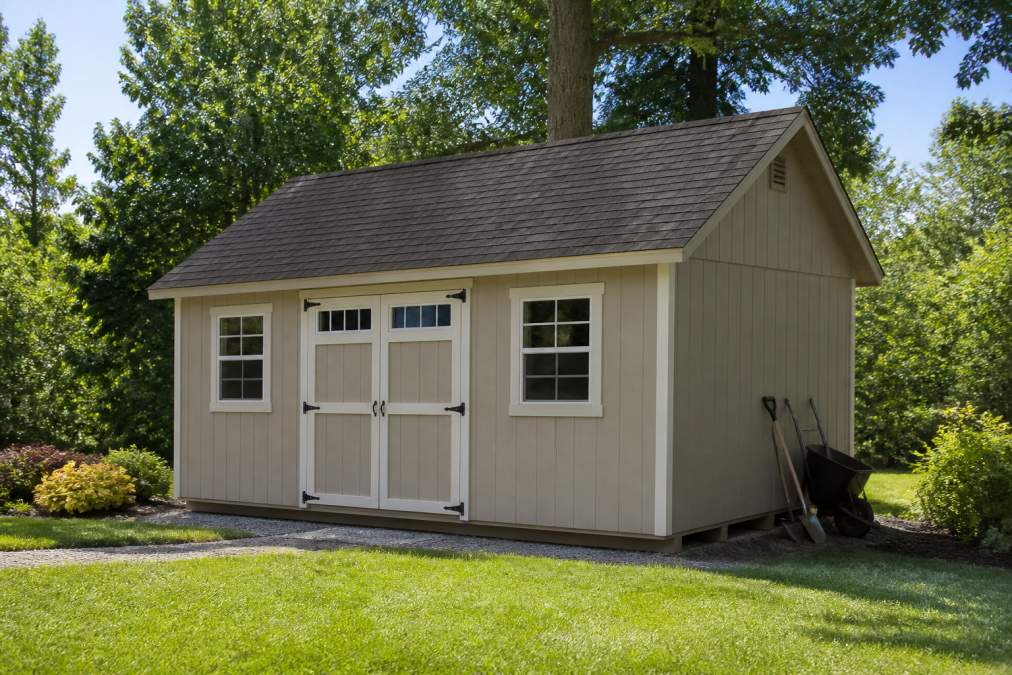
Table of Contents
- What Fits in a 16×12 Shed (and Who It’s For)
- Amish Shed Foundation Types: Which Base Fits Your Yard
- Shed Permit Requirements in Chester County PA: What to Check First
- Shed Delivery and Site Preparation: What the Process Looks Like
- How to Choose a 16×12 Shed Builder in Chester County
- Conclusion: Matching a 16×12 Shed to Your Property
- Frequently Asked Questions
Last Updated: September 18, 2026
What Fits in a 16×12 Shed (and Who It’s For)
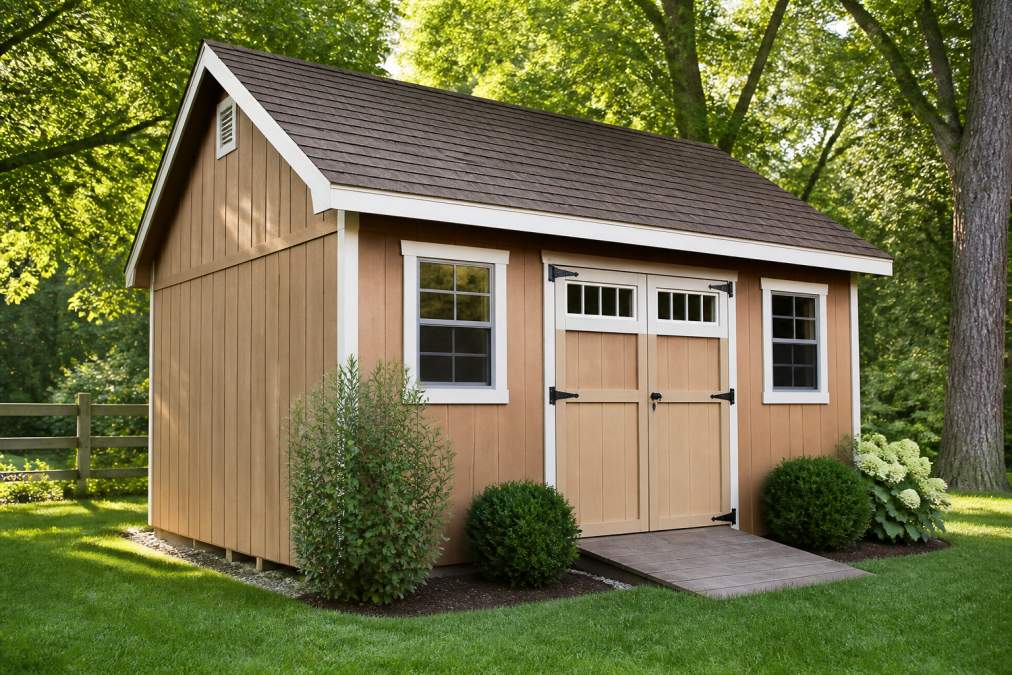
A 16×12 shed is a 192-square-foot backyard building, and that footprint is the reason it outsells almost every other size for homeowners in West Chester, PA. At Riehl Structures, we’ve watched this size become popular for families who need real storage without giving up half the lawn.
That 192 square feet is the number to remember, because it drives everything else: what you can store, how many doors you need, and whether your township treats it as a shed or something more.
Penn State Extension guidance on accessory structures and property planning
Storage Capacity and Layout Options
Think in zones, not square footage. A 16×12 shed divides cleanly into three usable bands: a 4-foot-deep storage wall, a 4-foot center aisle, and a 4-foot work or parking zone. That layout holds a riding mower, two bicycles, a snow blower, and still leaves a bench for potting.
Common configurations homeowners choose:
| Layout | Best For | Trade-Off |
|---|---|---|
| Single open bay | Mowers, bikes, bulk storage | No dedicated workspace |
| Workbench wall + open bay | Gardeners, hobbyists | Less floor space for large equipment |
| Lofted storage | Seasonal gear, boxes | Needs higher wall height |
| Double-door drive-through | Tractors, ATVs | Requires more level ground |
Doors, Windows, and Access Points That Change How You Use the Space
Door placement decides whether a 16×12 shed feels generous or cramped. A single 4-foot door on the gable end forces you to walk equipment straight in; a double 6-foot door on the eave side lets you roll a mower in sideways and turn it around. Add at least one window on the sunny side if you plan to work inside, and consider a second door if the shed sits far from the house.
If your yard slopes toward the back, put the doors on the high side. Water runs downhill, and a door on the low end means every spring thaw pushes moisture across your threshold.
Amish Shed Foundation Types: Which Base Fits Your Yard
The foundation question is where most shed projects go sideways, and it’s the one buyers ask about most. Three base types cover nearly every residential yard: a wood skid or timber frame, a concrete pad, and a gravel pad. Each handles soil, drainage, and cost differently.
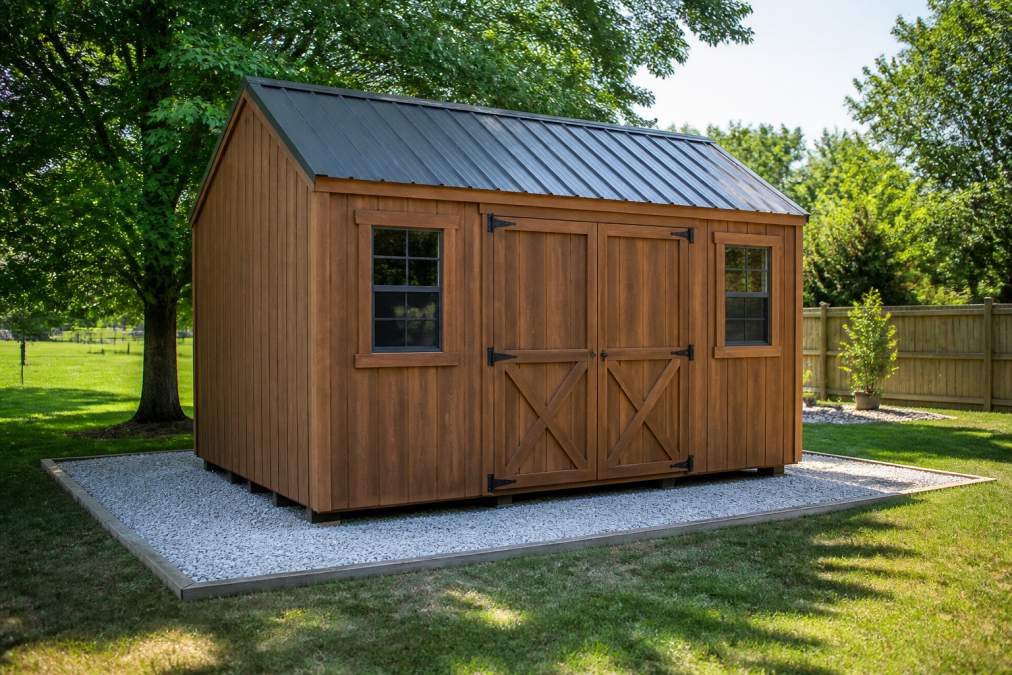
Wood, Concrete, and Gravel Pad Foundations Compared
A wood skid foundation is a pressure-treated timber frame that the shed sits on, keeping the floor above grade. It’s the most common choice for delivered sheds because the structure arrives intact and can be repositioned later if you move it. The trade-off is that the wood sits closer to soil moisture, so airflow matters.
Concrete pads cost more upfront and require a pour, curing time, and a level site. In exchange, you get the most stable and longest-lasting base, which suits heavier buildings and permanent placements.
Gravel pads sit in the middle. A properly compacted gravel pad with a filter fabric base drains well and costs less than concrete, though it needs re-leveling over time.
| Foundation | Best For | Watch Out For |
|---|---|---|
| Wood skid | Delivered sheds, movable buildings | Needs airflow under the floor |
| Concrete pad | Permanent, heavy structures | Pour, cure time, higher cost |
| Gravel pad | Good drainage, moderate budget | Periodic re-leveling |
Skipping site preparation to save money is the most expensive mistake in this category. A shed set on an uneven or soft base will rack out of square, and doors stop latching within a season or two.
Shed Permit Requirements in Chester County PA: What to Check First
Shed permit requirements Chester County PA homeowners face depend on your township, not the county, because zoning is administered locally. Some townships allow small sheds with no permit at all; others require a zoning permit, a building permit, or both once you cross a size or height threshold.
The practical move is to call your township zoning office before you order anything, and ask three questions: what size triggers a permit, how far the shed must sit from property lines, and whether a plot plan is required. Setbacks are the detail that catches people out, because a shed placed too close to a property line can be ordered moved at your expense.
Chester County Planning Commission municipal zoning resources
Riehl Structures works with homeowners across the region on site planning, and we can point you toward what your township typically asks for.
Shed Delivery and Site Preparation: What the Process Looks Like
Shed delivery and site preparation follow a predictable sequence, and knowing it removes most of the anxiety. First comes a site visit or photo review to confirm access and grade. Then the base goes in: gravel, skids, or concrete depending on what you chose. Only then does the building arrive.
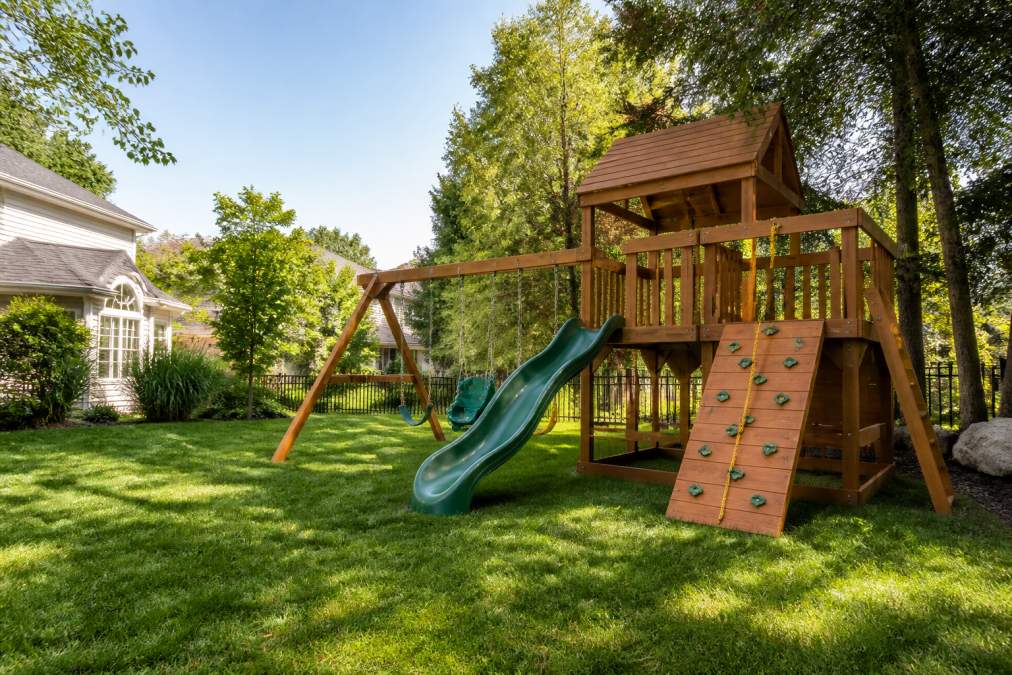
Access is the hidden variable. A 16-foot-wide structure needs a clear path for the delivery vehicle and a turning radius at the drop point. Fences, low branches, septic lids, and utility lines all matter, and a gate narrower than the building’s width means the shed can’t reach the backyard. Planning for these logistical constraints ensures that your property remains accessible for any future backyard structure assembly, including the installation of open-air features that require their own specialized site preparation.
The best time to solve an access problem is before you order. Moving a fence panel or trimming a branch costs far less than discovering the problem on delivery day.
Riehl Structures includes free delivery within 30 miles of our West Chester and King of Prussia locations, and delivery includes setting the structure on your prepared base. If your yard is uneven or slopes, tell us during the site review so we can plan the base accordingly rather than leveling the whole yard.
How to Choose a 16×12 Shed Builder in Chester County
Choosing a builder in Chester County comes down to three things: how the structure is built, how it’s delivered, and who answers the phone when something needs attention. Price differences between builders usually trace back to materials and construction method, not markup.
Ask any builder these questions before you sign:
- What framing and siding materials are standard, and what’s an upgrade?
- Does delivery include placement on the base, or just drop-off?
- What’s the warranty, and what does it actually cover?
- Can I see a structure you built a few years ago, not just a showroom model?
- What happens if my yard needs work before delivery?
Why Amish-Built Construction Holds Up Longer
Amish-built construction holds up longer because of how the structure is assembled, not because of a single premium material. Traditional building methods emphasize square framing, proper bracing, and joinery that resists the settling and racking that shorten a cheap shed’s life. A common mistake buyers make is comparing sheds on appearance alone; two buildings can look identical in a photo and differ entirely in wall thickness and floor support.
U.S. Department of Agriculture guidance on wood construction and moisture protection
Riehl Structures has been family-owned for over 30 years, and customers regularly tell us the finished product matched exactly what they planned and imagined. One recent customer noted they took a long time deciding which shed was right and found the team patient through the whole process.
If you’re searching for a shed builder near me in the West Chester area, ask for references from customers who’ve owned their structure for several years. Longevity is the only proof that matters.
Conclusion: Matching a 16×12 Shed to Your Property
The hard part of buying a 16×12 shed isn’t picking a color. It’s matching the building to your yard’s grade, your township’s setback rules, and the way you actually plan to use the space. Get those three right and the shed disappears into your routine for the next two decades.
Riehl Structures builds Amish-crafted sheds with custom design, flexible Rent to Own financing with no prepayment penalties and no home equity required, and free delivery within 30 miles of West Chester and King of Prussia. Get a quote from Riehl Structures and start with a site review, so the shed you order is the shed that fits.
Frequently Asked Questions
Do I need a building permit for a 16×12 shed in West Chester, PA?
It depends on your township. Many municipalities in Chester County require a permit once a shed exceeds 200 square feet, and a 16×12 shed is 192 square feet, so it often falls just under the threshold. But setback rules, homeowner association covenants, and zoning still apply. Confirm with your township zoning officer before you buy, and ask your builder whether they assist with the paperwork.
What is the best foundation for a 16×12 storage shed?
It comes down to your soil, slope, and how permanent the shed will be. A gravel pad with a pressure-treated wood frame drains well and handles most Chester County yards. A poured concrete slab costs more but works well for heavy equipment or a workshop. If your yard slopes, a properly leveled base is non-negotiable. Ask your builder to assess the site before choosing.
Can a 16×12 shed be used as a home office or workshop?
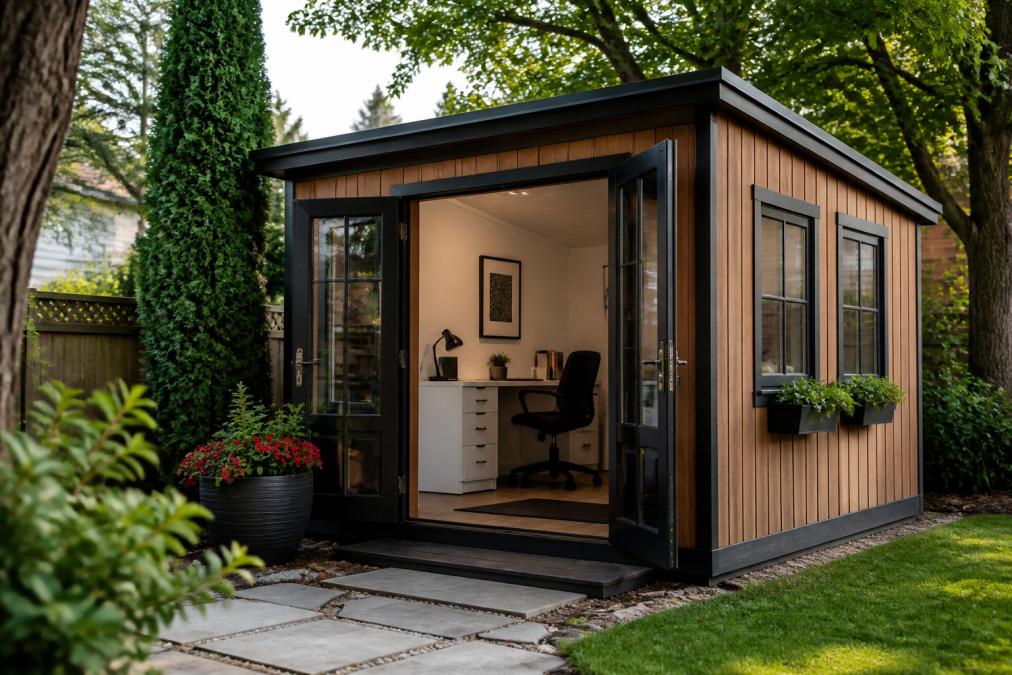
Yes, if it is built for it. A 16×12 shed gives you 192 square feet, enough for a desk, shelving, and a small seating area. For year-round use, you will want insulation, electrical service, and windows for natural light. Check local zoning first, since some townships limit how an accessory structure can be used, and confirm the foundation can support the added weight.
How long does it take to deliver a 16×12 shed in West Chester, PA?
Timelines vary by builder, season, and whether your shed is a stock model or custom order. Amish-built sheds are often constructed off-site and delivered ready to set, but demand in spring and summer can extend lead times. Site preparation, foundation work, and any permit approvals add time. Ask your builder for a realistic schedule in writing before you put down a deposit.

Copy Link