Shed vs Storage Box for Small Yards: A Practical Comparison
Copy Link
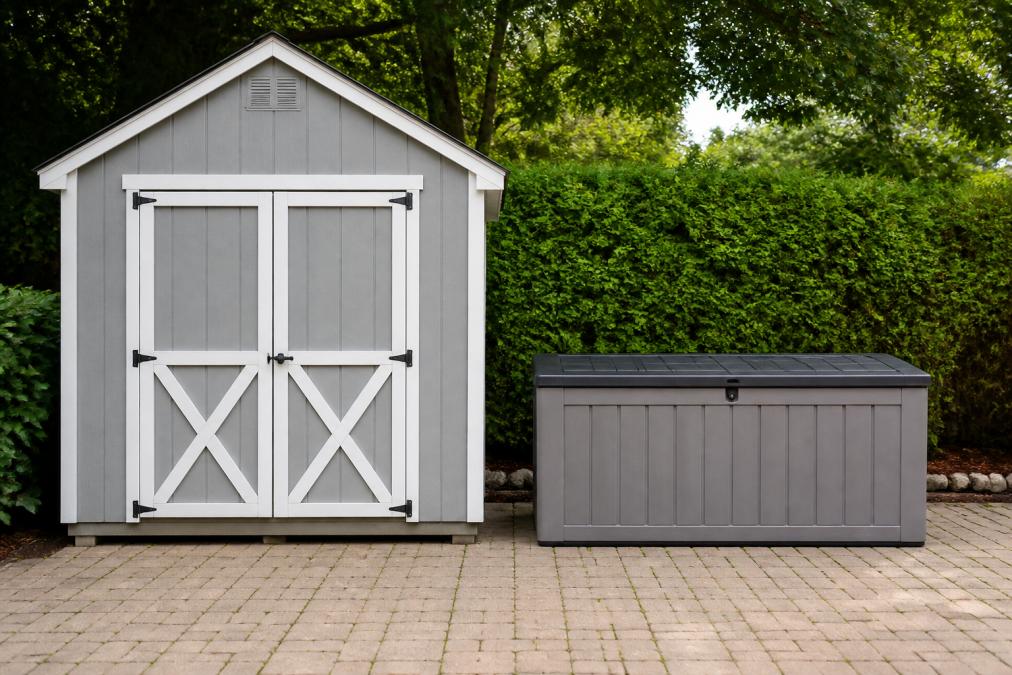
Table of Contents
- Shed vs Storage Box for Small Yards: Key Differences
- Comparison Table: Sheds vs Storage Boxes
- Durability, Weather Resistance, and Material Types
- Security, Locking Mechanisms, and Accessibility
- Outdoor Storage Shed Permit Requirements and Zoning
- Foundation and Site Preparation for Sheds and Boxes
- Best Outdoor Storage for Small Spaces: Installation and Assembly
- How to Organize a Small Garden Shed or Storage Box
Shed vs Storage Box for Small Yards: A Practical Comparison
Last Updated: August 3, 2026
When space is tight, the choice between a shed vs storage box for small yards becomes one of the most consequential decisions a homeowner can make. At Riehl Structures, we’ve spent over three decades helping Pennsylvania homeowners navigate this exact dilemma. This guide breaks down exactly what separates sheds and storage boxes so you can choose the right solution for your specific yard constraints.
Shed vs Storage Box for Small Yards: Key Differences
A storage box is a self-contained unit, typically resin, plastic, or metal, that sits on the ground and can theoretically be moved if needed. A shed is a permanent outdoor structure with a foundation, framing, and often enough interior height to stand upright. For small yards, this matters enormously.
Storage boxes range from 70 to 200+ cubic feet of capacity. Sheds typically start at 100 cubic feet and scale up to 400+ cubic feet. The real difference isn’t just volume, it’s usability. In a shed, you can organize vertically with shelving, hang tools on walls, and move around inside. In a storage box, you’re reaching in and stacking items, which limits what you can store efficiently.
The choice hinges on three factors: available footprint, budget, and how often you access your items.
Storage Capacity and Volume
A 6×4 foot wooden shed from Riehl Structures provides roughly 150-180 cubic feet of usable interior space. A comparable resin storage box like the Keter Factor 6×3 offers 110 cubic feet, with sloped roofs reducing headroom at the edges.
Choose based on what you’re actually storing and how often you’ll need to access it. Usable capacity matters more than total volume.
Footprint and Space Requirements
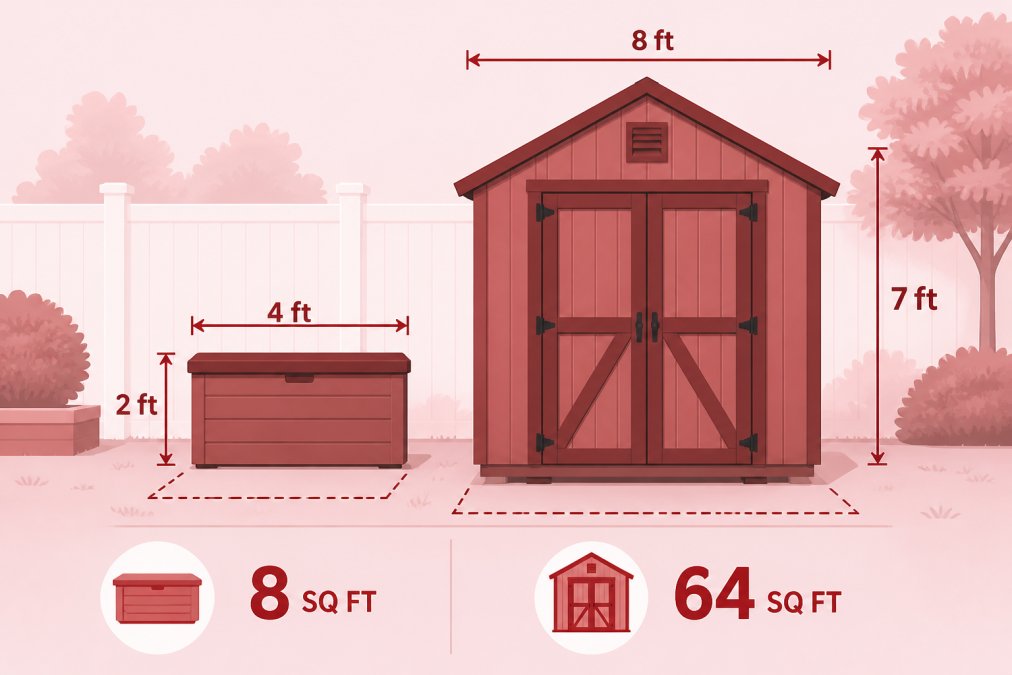
Storage boxes shine for genuinely small yards. The Suncast horizontal shed occupies just 4 feet by 2 feet. Sheds require more breathing room, a 6×4 foot shed takes up 24 square feet of yard space, plus clearance for maintenance and airflow.
However, sheds use vertical space efficiently. The same 24-square-foot footprint gives you 150+ cubic feet of storage, whereas a storage box might hold only 80-100 cubic feet. Riehl Structures designs sheds that fit small yards, using narrower widths (4-5 feet) and slightly taller heights to maximize vertical storage without overwhelming the space visually.
Comparison Table: Sheds vs Storage Boxes
| Feature | Storage Box | Shed |
|---|---|---|
| Typical Capacity | 70-200 cu ft | 100-400+ cu ft |
| Footprint | 3×2 to 6×3 feet | 4×4 to 8×12 feet |
| Interior Height | 2.5-3.5 feet | 6-8 feet |
| Assembly Time | 2-4 hours | 4-8 hours (professional install recommended) |
| Permits Required | Usually no | Often yes (varies by township) |
| Maintenance | Minimal (resin/plastic) | Moderate to high (wood/metal) |
| Weather Resistance | Good (UV-protected resin) | Excellent (when properly maintained) |
| Cost Range | $150-$700 | $800-$5,000+ (custom builds higher) |
| Best For | Frequent access, small yards, seasonal items | Long-term storage, tool organization, permanent structure |
Durability, Weather Resistance, and Material Types
Resin storage boxes like the Keter Factor and Suncast Stow-Away resist UV damage, rot, and warping. They won’t rust, crack, or peel and require no maintenance. The trade-off is that resin can become brittle in extreme cold and may develop stress fractures if overloaded. They typically have a 10-15 year lifespan before UV degradation becomes noticeable.
Wood and metal sheds offer superior durability when maintained properly. A wooden shed from Riehl Structures, built with quality Amish craftsmanship, can last 20-30 years with regular staining or sealing. Metal sheds resist rot but can rust if the finish is damaged.
Resin Storage Boxes: Low Maintenance and UV Protection
Resin construction dominates the storage box market. The Keter Factor uses UV-protected polypropylene resin with steel reinforcement. Resin storage boxes aren’t designed for permanent outdoor installation the way sheds are. For small yards needing reliable, low-maintenance storage with regular access, resin is excellent. For long-term, heavy-duty tool storage, it’s a compromise.
Wood and Metal Sheds: Longevity and Maintenance
Wood sheds demand seasonal maintenance, stain or seal the exterior every 2-3 years to prevent weathering. Properly maintained, a wood shed becomes more durable and valuable over time. Metal sheds require less frequent maintenance than wood but demand attention to rust prevention. Both are designed as permanent structures where you can add shelving, hang pegboards, install windows, and customize the interior.
Security, Locking Mechanisms, and Accessibility
Storage boxes offer basic security through lockable latches. Sheds offer stronger security options with heavy-duty deadbolts, hasps, and padlocks. The solid wood or metal construction is harder to breach than plastic walls. For storing expensive tools or equipment, a shed provides genuine security.
Storage boxes are designed for quick access, lift a lid or open a door and grab what you need. Organization becomes critical in both structures.
For small yards, position your storage box or shed near the entrance you’ll use most frequently. Every extra 20 feet of walking distance reduces how often you’ll actually use the structure.
Outdoor Storage Shed Permit Requirements and Zoning
Sheds require permits in most Pennsylvania townships. Storage boxes typically don’t, but it depends on your specific municipality and the box’s dimensions.
When Permits Are Required in Pennsylvania
Pennsylvania doesn’t have a statewide shed permit requirement. Each township sets its own rules. Generally, structures under 200 square feet don’t require a building permit in many townships, but some have lower thresholds (100 square feet). Contact your township zoning office before buying and tell them the exact dimensions and material of what you’re planning to install.
Storage boxes rarely trigger permit requirements because they’re classified as portable storage.
HOA and Neighborhood Regulations
If you live in a community with an HOA, the rules are often stricter than municipal code. Many HOAs prohibit sheds entirely or restrict them to rear yards only. Some require architectural approval before installation. Storage boxes face fewer restrictions because they’re smaller and more visually discrete.
Riehl Structures works with homeowners to navigate these constraints. Custom shed designs can incorporate features that satisfy HOA requirements, matching your home’s aesthetic or placement in rear yards where they’re less visible.
Foundation and Site Preparation for Sheds and Boxes
Storage boxes require minimal site prep. Level ground is ideal, but they’ll tolerate slight slopes. Sheds demand more attention to foundation and site preparation. An improperly prepared site leads to settling, warping, and premature deterioration.
In Pennsylvania, where we experience freeze-thaw cycles, a proper foundation prevents frost heave. Options range from a simple gravel base (cheapest, least durable) to concrete piers or a full concrete slab (more expensive, longest-lasting).
Riehl Structures includes site assessment and foundation preparation in their delivery service. A shed installed on an improper foundation can fail within 5-10 years. Properly installed, it lasts 25+ years.
Never install a shed on bare soil without any foundation preparation. Ground moisture will wick into the wood, causing rot from the bottom up. A gravel base or concrete foundation costs $200-$500 upfront and adds decades to the structure’s life.
Best Outdoor Storage for Small Spaces: Installation and Assembly
For small yards, installation logistics matter more than they do for larger properties.
Storage Box Assembly and Setup
Storage boxes arrive partially assembled or in flat-pack form. The Keter Factor and Suncast Stow-Away both require 2-4 hours of assembly with two people. You can assemble a storage box yourself and move it if needed. If the location isn’t ideal, too shaded, blocks a sight line, or sits in a low spot that collects water, you can reposition it. This flexibility is valuable in small yards.
Shed Installation and Professional Delivery
Sheds are heavier and more complex. A 6×4 wooden shed weighs 1,500-2,500 pounds. Professional installation is strongly recommended.
Riehl Structures includes delivery and setup within 30 miles of West Chester and King of Prussia. The team assesses the site, prepares the foundation, and assembles the structure. The installation timeline typically runs 4-8 hours for a basic model.
How to Organize a Small Garden Shed or Storage Box
Once you’ve chosen your storage structure, organization determines whether you actually use it. A disorganized shed becomes a black hole where you can’t find anything. A well-organized shed becomes an extension of your home’s functionality.
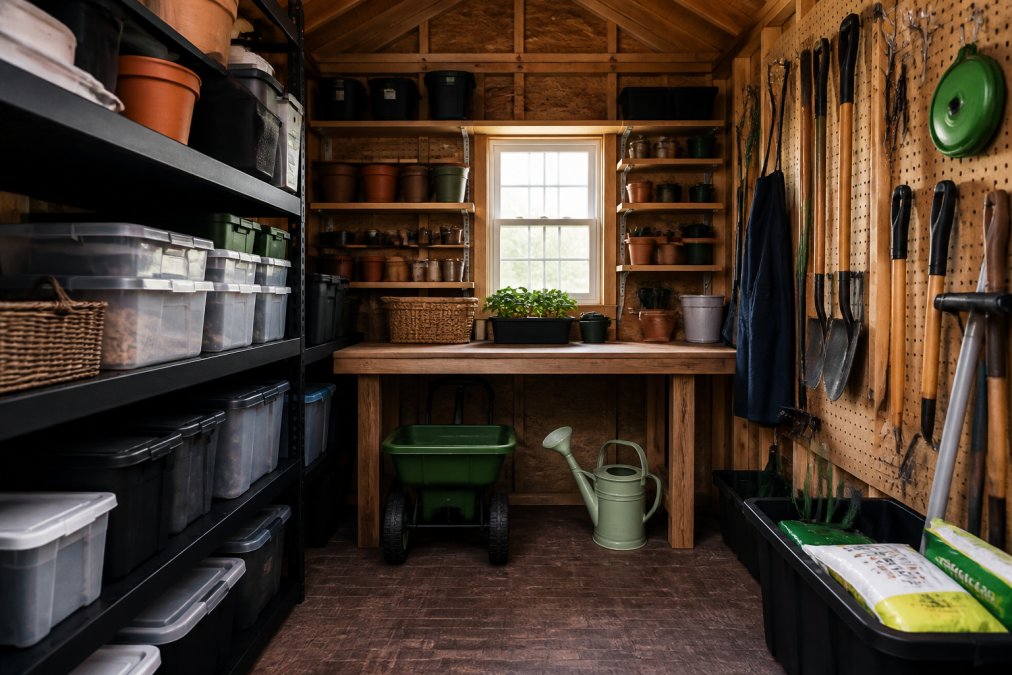
Start by categorizing what you’re storing: gardening tools, seasonal decorations, patio furniture, automotive supplies, sports equipment. Each category should have a designated zone. In a small shed, vertical organization is non-negotiable. Wall-mounted shelving, pegboards, and hanging racks multiply your usable storage without consuming floor space.
For storage boxes, use stackable plastic bins with labels. Keep frequently accessed items on top or in front.
Vertical Storage Optimization
Vertical storage is the difference between a functional small shed and a frustrating one. Install shelving 12-18 inches from the ceiling to maximize height. Use wall-mounted pegboards for hand tools. Hang longer tools like rakes and shovels on wall hooks rather than laying them flat.
In a small shed, every square foot of wall space is potential storage. Magnetic strips hold metal tools. Hooks hold coiled rope, extension cords, and hoses. Baskets mounted on walls organize small items. Keep the floor as clear as possible for movement and larger items.
Clutter Management and Seasonal Organization
Small storage spaces reward ruthless decluttering. Before organizing, remove anything you haven’t used in two years. Seasonal organization prevents your structure from becoming a permanent mess. Winter gear should be easily accessible in November and December, then moved to the back in summer.
Create a simple inventory system. Photograph the contents of your storage structure and keep the photos on your phone. When you need something, check the photo instead of rummaging through bins.
The [best storage structure](/best-size-shed-for-backyard/) in the world becomes useless if it’s disorganized. Spend as much time planning your organization system as you do choosing between a shed and storage box.
Choosing between a shed vs storage box for small yards ultimately depends on three factors: how much you need to store, how often you’ll access items, and how long you want the structure to last. For homeowners who need quick access to seasonal items and have genuine space constraints, a storage box offers simplicity and flexibility. For those planning to store tools, equipment, and supplies long-term, a shed provides durability, security, and organization that storage boxes can’t match.
Riehl Structures has helped thousands of Pennsylvania homeowners make this decision by providing custom shed designs that fit small yards without overwhelming them, professional site preparation that ensures decades of durability, and flexible financing options that make quality outdoor structures accessible. With 30+ years of family-owned experience and Amish-built craftsmanship, the team understands the unique constraints of small-yard storage. Get a quote from Riehl Structures today and discover how a properly designed and installed shed or storage solution transforms how you organize your outdoor space.
Frequently Asked Questions
What's the main difference between a shed and a storage box for small yards?
Sheds provide larger storage capacity and standing room, making them ideal for storing lawnmowers, bicycles, and seasonal items. Storage boxes are compact, low-profile units designed for patios or alongside houses, holding patio cushions, garden tools, and smaller equipment. Sheds typically require permits and site preparation, while storage boxes are portable and require minimal assembly. For small yards, storage boxes fit easily into tight spaces, whereas sheds need more dedicated footprint.
Do I need a permit for an outdoor storage shed in Pennsylvania?
Permit requirements vary by township and municipality in Pennsylvania. Most jurisdictions require permits for structures over 100-200 square feet or taller than 12-15 feet. Smaller sheds under these thresholds often don't require permits, but setback rules from property lines typically apply. Check with your local township office or code enforcement before purchasing. HOAs may have additional restrictions regardless of permit status. Professional installers like Riehl Structures can advise on local requirements during the design phase.
What's the best way to organize a small garden shed or storage box?
Use vertical storage to maximize limited space: install wall-mounted shelves, pegboards, and hooks for frequently accessed tools. Group items by category (garden tools, seasonal decorations, maintenance supplies) in labeled containers. Store heavier items on lower shelves and lighter items above. In storage boxes, use stackable bins and dividers to prevent clutter. Keep frequently used items near the entrance or hinged lid for quick access. Seasonal rotation prevents overcrowding and extends the life of your storage solution.
Are resin storage boxes weatherproof enough for outdoor use in Pennsylvania winters?
Yes, quality resin storage boxes are designed for year-round outdoor use. UV-protected polypropylene resin resists cracking, warping, and fading in cold and hot temperatures. Steel-reinforced construction adds durability. However, ensure the box has proper drainage holes and a weather-resistant seal on the lid to keep contents dry. Empty boxes before heavy snow to prevent roof damage. Resin boxes require virtually no maintenance compared to wood sheds, which need regular staining and repairs in harsh weather.
How much does foundation and site preparation cost for a shed?
Foundation costs depend on your yard's condition. Level ground requires minimal prep, while sloped or uneven yards may need grading, compacting, or concrete pads. Many homeowners spend $200-$500 on basic preparation. Riehl Structures includes professional site assessment and can handle foundation work as part of delivery and installation. Storage boxes need only a level, compacted surface and require no formal foundation. Always check local drainage and setback requirements before site prep begins.
This article was written using GrandRanker

Copy Link
