Wooden Shed Lifespan in Pennsylvania: What to Expect
Copy Link
Table of Contents
- How Long Does a Wooden Shed Last in Pennsylvania?
- Factors That Affect Wooden Shed Durability
- Wooden Shed Maintenance to Extend Life
- How to Prevent Shed Rot and Decay
- How Often to Stain or Seal a Shed
- Signs a Shed Needs Repair or Replacement
- Why Amish-Built Sheds Last Longer
- Frequently Asked Questions
Last Updated: October 15, 2026
How Long Does a Wooden Shed Last in Pennsylvania?
A wooden shed in Pennsylvania typically lasts 15 to 20 years with proper maintenance, though some well-built structures can reach 25 years or more, understanding the wooden shed lifespan helps you plan accordingly. The actual lifespan of your wooden shed depends heavily on the quality of construction, the type of wood used, and how consistently you care for it.
At Riehl Structures, we’ve seen firsthand how dramatically maintenance affects durability. A shed built with quality materials and protected from the elements will outlast a poorly maintained structure by a decade or more. The difference comes down to a few key factors that every Pennsylvania homeowner should understand before investing in a wooden shed.
Pennsylvania’s climate presents specific challenges. Winters are cold and wet. Summers bring humidity and intense sun exposure. These conditions accelerate wood deterioration if you don’t take preventive steps. The good news is that understanding what affects your shed’s lifespan puts you in control of extending it significantly.
Factors That Affect Wooden Shed Durability
Several forces work against wooden structures in this region. Wood naturally absorbs moisture, expands, and contracts with temperature changes. Over time, this movement creates stress on joints and seams. Fungi, insects, and weathering add to the damage. The longer your shed stands without protection, the faster these processes break it down.
Wood Type and Quality
Not all wood is equal. Pressure-treated lumber resists rot better than untreated pine or spruce. Cedar and redwood contain natural oils that offer some protection, though they’re more expensive. Treated wood can last 15 to 20 years. Cedar might stretch to 20 to 25 years. Cheap, untreated wood often fails within 10 years in Pennsylvania’s climate.
The thickness and grade of the wood matter too. Thicker boards handle weathering better than thin ones. Higher-grade lumber has fewer knots and defects that trap moisture. When you’re choosing a wooden shed, ask about the wood type and treatment. Quality wood is an investment in longevity.
Amish-built structures often use superior wood selection and construction techniques that extend durability. Hand-selected materials and careful joinery create sheds that outlast mass-produced alternatives by years.
Pennsylvania’s Climate and Weather Exposure
Pennsylvania winters bring freeze-thaw cycles that are brutal on wood. Water enters cracks, freezes, expands, and splits the wood further. Spring thaw brings additional moisture. Summer humidity keeps wood damp longer than in drier climates. Fall rains and winter snow add constant moisture exposure.
Your shed’s location on your property affects how much weather it takes. A shed facing north stays damper longer and gets less sun protection. Sheds in open yards take the full force of wind and rain. Sheds near trees collect falling leaves and debris that trap moisture. Sheds under tree cover stay wetter but face less UV damage.
Elevation and drainage matter significantly. A shed on low ground collects runoff and stays wet. A shed on a slope with good drainage dries faster after rain. Even small differences in grading affect how long water sits around your structure.
Foundation and Ground Contact
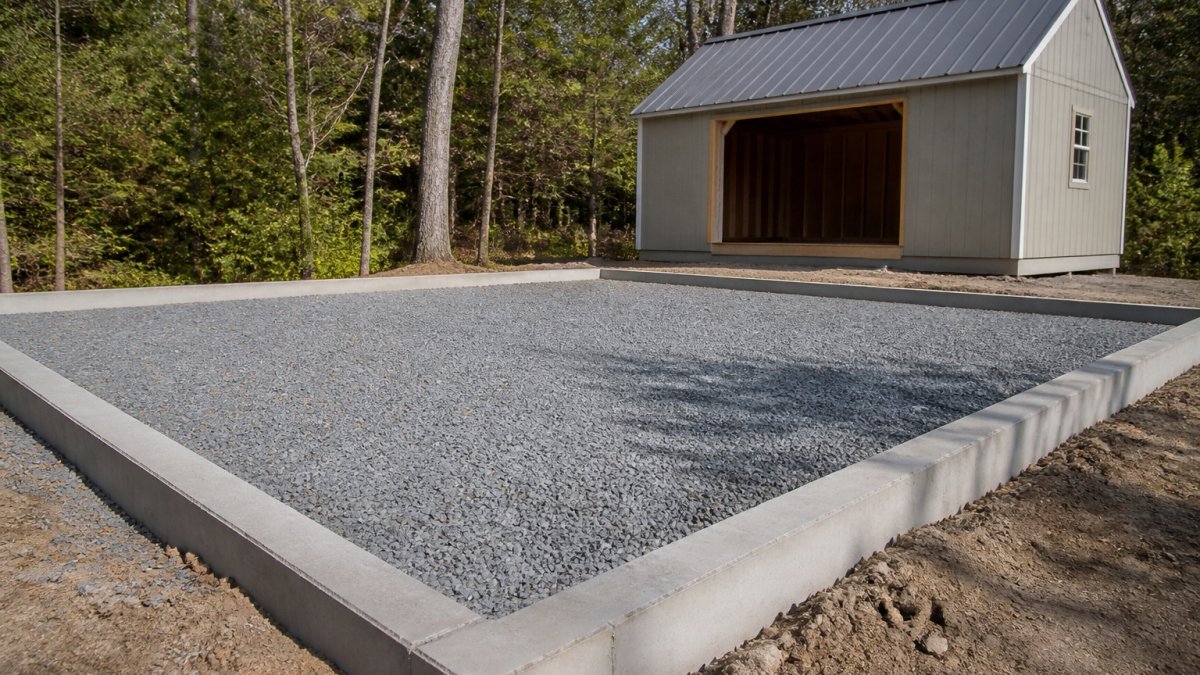
Wood touching soil rots fastest. If your shed sits directly on the ground or on a poor foundation, decay starts immediately at the base. A concrete foundation keeps wood elevated and dry. Gravel or a treated wood base is better than nothing but not ideal.
Proper ventilation under your shed prevents moisture buildup. Air flow under the structure dries the wood and discourages rot. A foundation that slopes away from the shed directs water away instead of pooling underneath.
Many homeowners skip foundation prep to save money upfront. This choice costs thousands later when the base rots and the entire structure becomes unsafe. A solid foundation is the single best investment you can make in your wooden shed lifespan.
Wooden Shed Maintenance to Extend Life
Regular maintenance is what separates a 15-year shed from a 25-year shed. You don’t need expensive treatments or specialized skills. Consistent, simple care makes the difference.
Start with basic cleaning. Remove leaves, branches, and debris from the roof and gutters. Clear vegetation away from the base. Trim tree branches that hang over the shed. This prevents moisture from accumulating and allows air to dry the wood.
Check for water damage regularly. Look for soft spots, discoloration, or areas where wood feels spongy. Early detection lets you address problems before they spread. Walk around your shed after heavy rain and look for water pooling or running toward the base.
Inspect the foundation and base annually. Look for standing water, signs of rot, or insect damage. Ensure drainage is working. Fix any gaps where water can enter.
Keep gutters and downspouts clean and functional. Water running off the roof should direct away from the shed, not toward it. A simple gutter system prevents water from running down the walls and pooling at the base.
Check your shed’s condition in spring and fall when weather transitions. These times reveal damage that winter or summer may have hidden. A quick 15-minute inspection twice a year catches problems early.
How to Prevent Shed Rot and Decay
Rot happens when wood stays damp for extended periods. Fungi grow in moist conditions and break down the wood fibers. Prevention focuses on keeping wood dry.
Ensure proper ventilation inside and outside your shed. Install vents on opposite sides to allow air flow. Remove items that block air circulation. Store materials away from walls to allow air to reach all surfaces.
Seal cracks and gaps where water can enter. Caulk around door frames, window frames, and any joints where wood meets wood. Use exterior-grade caulk that flexes with wood movement. Reapply caulk every few years as it degrades.
Paint or stain acts as a moisture barrier. This protective layer prevents water from soaking into the wood. Without this barrier, wood absorbs water like a sponge. Paint or stain also protects wood from UV damage that weakens fibers.
Keep gutters and downspouts clear. Clogged gutters cause water to overflow and run down the walls. This is one of the fastest ways to damage a shed. Clean gutters before and after fall leaf season, and after heavy storms.
Ensure the ground slopes away from your shed. Water should run away, not toward the structure. If your yard slopes toward the shed, consider regrading or installing a drainage system.
Wood-to-soil contact is the #1 cause of shed rot. If your shed sits on untreated wood blocks or directly on soil, decay starts immediately. Replace with concrete piers or a proper foundation before rot spreads.
How Often to Stain or Seal a Shed
Stain and sealant protect wood from moisture and UV damage. They also give your shed a finished appearance. The frequency depends on the product type and your local weather.
Most exterior stains last 2 to 3 years in Pennsylvania’s climate. Semi-transparent stains need reapplication more often than solid stains. Solid stains last longer because they provide thicker coverage. Oil-based products typically outlast water-based ones, though water-based options are easier to apply.
Clear sealants without pigment last 1 to 2 years. They protect wood but don’t hide weathering as well as stain. Clear sealants work well for cedar and other attractive woods where you want the grain to show.
The first stain application is critical. New wood needs sealing before weathering begins. If you delay, moisture penetrates and causes problems that stain can’t fix. Apply stain within the first year of construction, ideally before the first winter.
Check your shed annually for stain failure. Look for areas where stain is peeling, fading, or wearing thin. These spots are where water enters first. Reapply stain to failing areas before they become widespread problems.
A maintenance schedule of staining every 2 to 3 years, combined with basic cleaning and inspection, keeps your shed protected and extends its life significantly.
Signs a Shed Needs Repair or Replacement
Knowing when to repair versus replace saves money and prevents safety issues. Minor damage can be fixed. Extensive rot means replacement is more practical than repair.
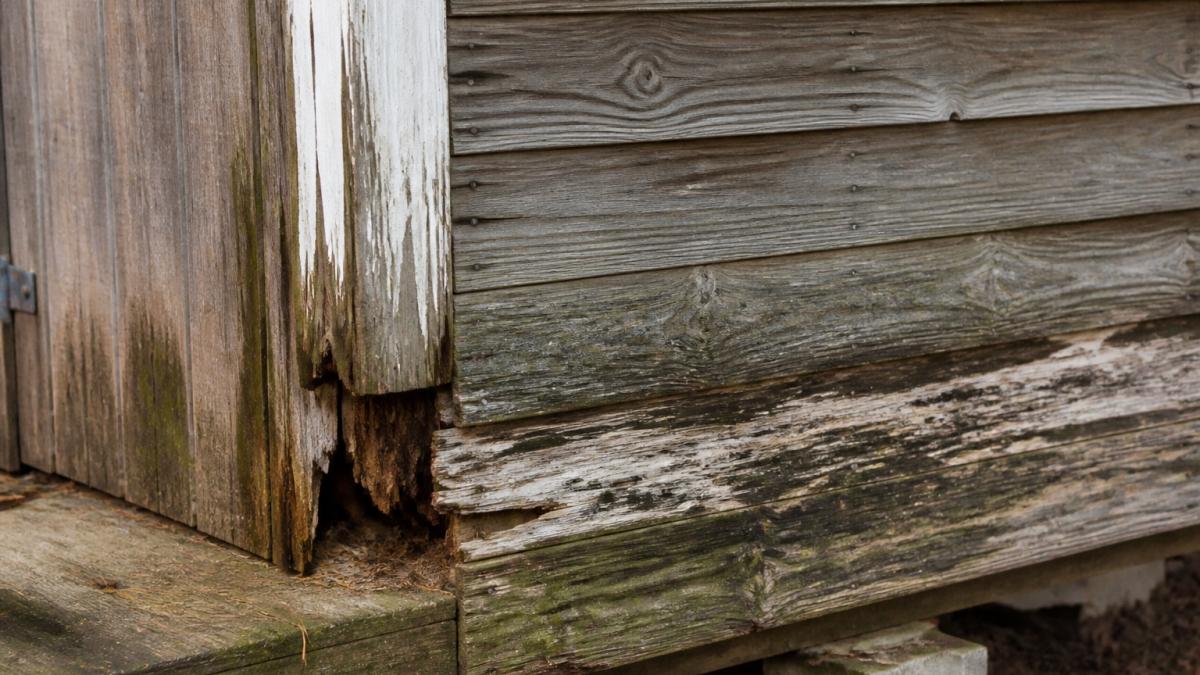
Soft, spongy wood that yields to finger pressure indicates active rot. If you can press your finger into wood, decay has advanced significantly. Small areas can be cut out and patched.
Leaning walls or sagging roofs signal structural failure. These problems develop when rot weakens the frame or foundation settles unevenly. A shed that leans is unsafe and will continue deteriorating. Repair may be possible if caught early, but advanced structural damage often requires replacement.
Widespread paint peeling or stain failure means wood is exposed to the elements. If you see bare wood across large areas, moisture is entering rapidly. This accelerates rot development.
Insect damage like carpenter ant galleries or termite tunnels means the wood structure is compromised. These pests tunnel through wood and weaken it. Early treatment can stop the problem. Extensive insect damage requires replacement.
Missing or severely damaged roofing allows water inside. A few missing shingles can be replaced. If the roof is extensively damaged or the underlying wood is rotted, replacement is necessary. Water damage inside a shed ruins stored items and accelerates structural decay.
Why Amish-Built Sheds Last Longer
Amish craftsmanship represents a different approach to shed building. These structures are built to last generations, not just years. The difference is visible in every detail.
Amish builders use hand-selected wood and traditional joinery techniques. Mortise and tenon joints, for example, create stronger connections than nails alone. These joints distribute stress across larger areas and don’t loosen over time like fasteners can.
Attention to detail defines Amish work. Every board is fitted carefully. Gaps are minimized. Water barriers are installed properly. The foundation is prepared correctly. These steps take more time and skill, but they add years to the shed’s life.
Amish builders also use thicker materials and higher-grade wood. A shed built this way can last 25, 30, or even 40 years with maintenance. Mass-produced sheds built to minimize cost often fail in 10 to 15 years.
Riehl Structures brings this Amish tradition to West Chester and the surrounding area. Our custom-designed sheds are built with the same craftsmanship principles. We select materials carefully, use proper construction techniques, and ensure every detail supports longevity.
The upfront cost of a quality shed is higher, but the long-term value is substantially better. A shed that lasts 30 years costs less per year than one lasting 15 years, even at a higher initial price.
A wooden shed in Pennsylvania can serve you reliably for 15 to 25 years when built with quality materials and maintained properly.
Frequently Asked Questions
What is the average lifespan of a wooden shed in Pennsylvania?
A well-built wooden shed in Pennsylvania typically lasts 10-20 years with regular maintenance, though some sheds constructed with quality materials and proper care can reach 25-30 years or longer. The exact lifespan depends on wood type, construction quality, foundation type, and how consistently you maintain the structure. Amish-built sheds, which use superior joinery and premium lumber, often exceed these averages because of their craftsmanship and attention to detail.
How can I make my wooden shed last longer in Pennsylvania?
Extend your shed’s life by staining or sealing it every 2-3 years, keeping the foundation dry and elevated off the ground, clearing gutters and debris regularly, and inspecting for signs of rot or pest damage annually. Ensure proper drainage around the shed’s perimeter, trim overhanging branches to reduce moisture and shade, and address small repairs immediately before they worsen. A solid foundation, whether concrete piers or a treated-wood base, prevents ground moisture from rotting the frame.
How often should you seal or stain a wooden shed?
Reseal or restain your wooden shed every 2-3 years to maintain protection against Pennsylvania’s moisture and UV exposure. In high-traffic areas or those with heavy sun exposure, you may need to refresh the finish every 2 years. Check the condition annually: if the finish appears dull, chalky, or water no longer beads on the surface, it’s time to reapply. Quality sealers and stains designed for exterior wood extend durability and keep your shed looking new.
What causes wooden sheds to rot or deteriorate?
Rot develops when moisture penetrates the wood, creating conditions for fungal growth. Pennsylvania’s humid summers and freeze-thaw cycles accelerate decay. Poor drainage, ground contact, inadequate ventilation, and deferred maintenance allow water to accumulate in joints and seams. Overhanging trees increase shade and moisture retention, while UV rays break down protective finishes. Pest damage from termites or carpenter ants can also compromise structural integrity. Proper sealing, ventilation, and a raised foundation prevent most rot issues.

Copy Link