How to Prepare Shed Foundation: A 2026 Guide
Copy Link
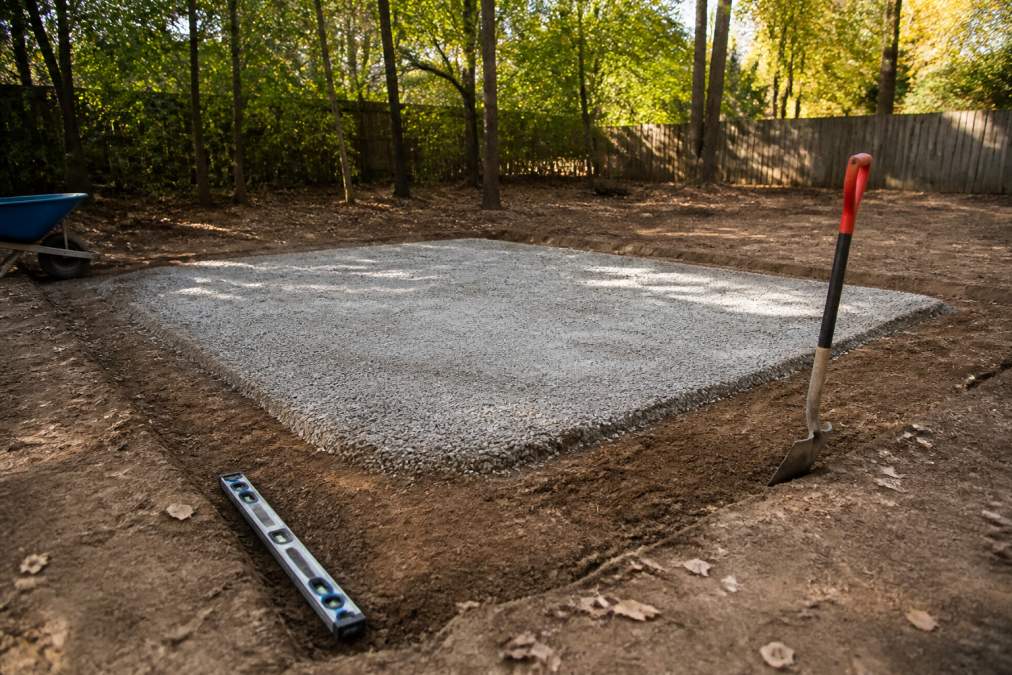
Table of Contents
- How to Prepare Shed Foundation: Why It Matters
- Shed Site Preparation Requirements
- How to Level Ground for Shed Installation
- Gravel Shed Pad Installation Steps
- Shed Foundation Permit Requirements in West Chester
- Drainage and Moisture Prevention
- Common Mistakes to Avoid When Preparing Your Foundation
- Frequently Asked Questions
Last Updated: September 24, 2026
How to Prepare Shed Foundation: Why It Matters
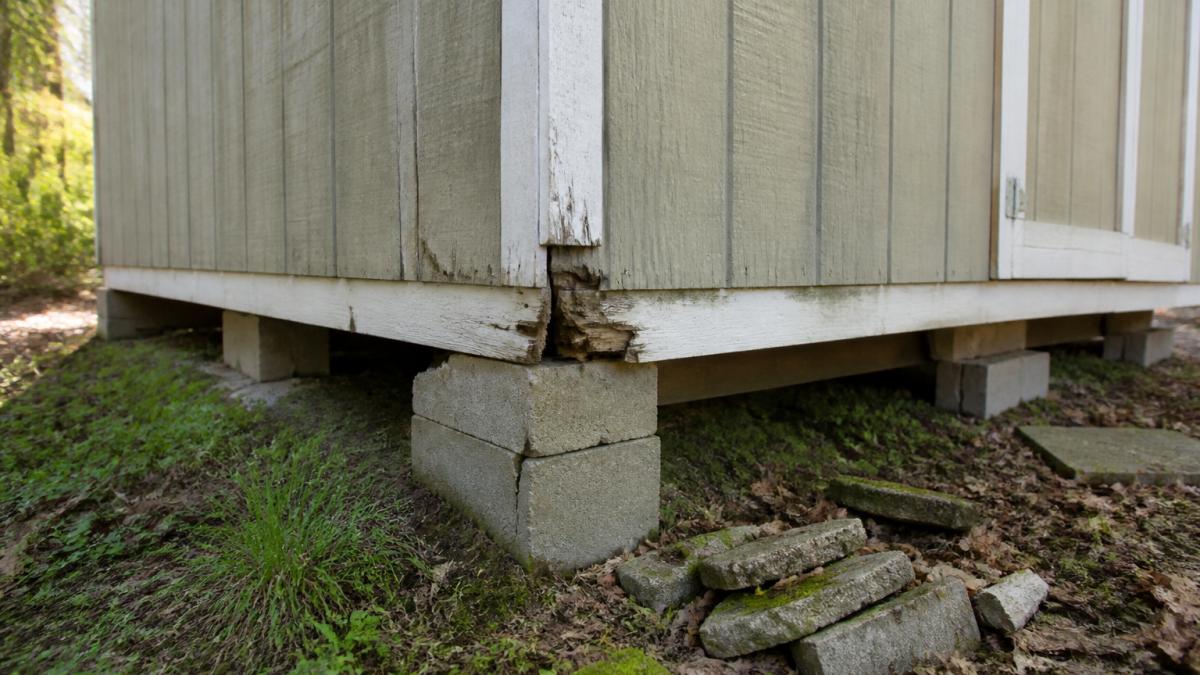
A solid foundation is the difference between a shed that lasts decades and one that fails in a few years. How to prepare shed foundation correctly determines whether your structure sits level, stays dry, and resists settling or shifting. Most homeowners underestimate this step, then face costly repairs or replacement down the road.
A proper foundation protects your investment, ensures the shed door hangs straight, and prevents water damage to whatever you store inside. A proper foundation protects your investment, ensures the shed door hangs straight, and prevents water damage to whatever you store inside. The good news: you don’t need to be a contractor to prepare a shed foundation. You need the right approach and a clear plan.
This guide walks you through every step.
Shed Site Preparation Requirements
Before you level, dig, or pour anything, your site needs prep work. Start by clearing the area where your shed will sit.
Remove vegetation and debris:
- Clear grass, weeds, and roots from the foundation area
- Remove rocks, sticks, and loose soil
- Cut back overhanging branches that could drop debris on the roof
Mark out the shed footprint:
- Use string and stakes to outline the exact area
- Make it slightly larger than the shed base (add 12 inches on each side)
- This gives you room to work and ensures proper drainage around the structure
Inspect for problem areas:
- Look for low spots where water collects after rain
- Check for tree roots that might interfere with leveling
- Note any slopes or uneven terrain
Check for underground utilities:
- Call 811 before digging (it’s free and required in Pennsylvania)
- Wait for utility locates to mark gas, electric, and water lines
- This prevents expensive and dangerous accidents
Skipping the utility locate call can result in hitting a gas line or electrical cable. This creates a safety hazard and stops your project immediately. Always call first.
How to Level Ground for Shed Installation
Leveling is critical. A shed sitting on uneven ground will shift, twist, and fail. You need the ground level in two directions: front-to-back and side-to-side.
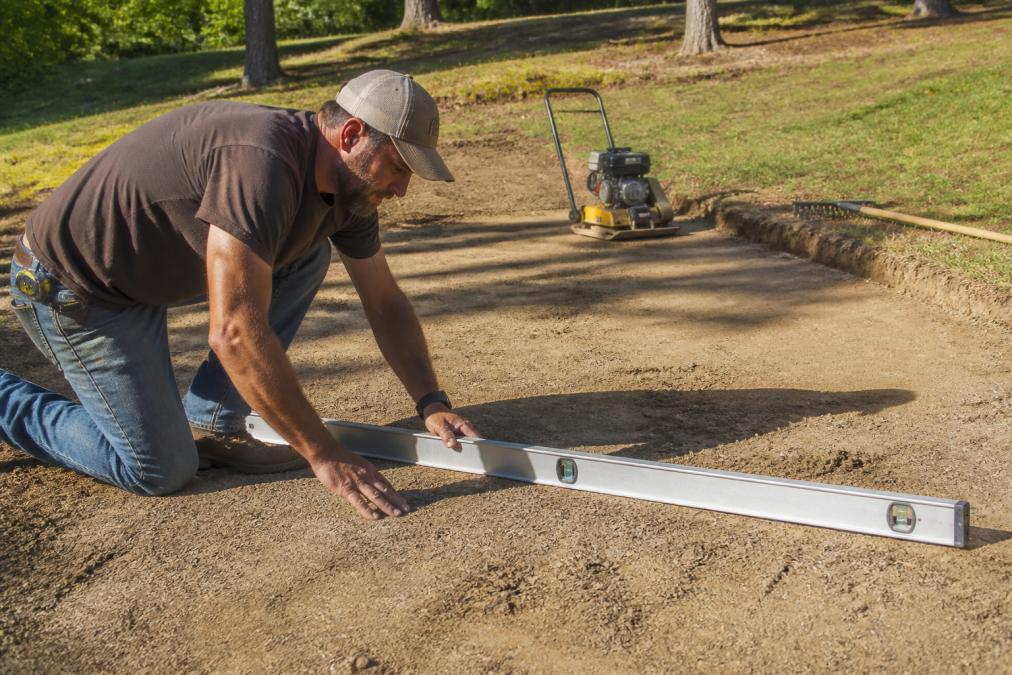
Measure the slope:
- Place a long level (4 feet or longer) across the shed area
- Note how much the ground rises or falls
- If the slope is more than 1 inch per 10 feet, you’ll need to level it
Remove high spots:
- Dig out soil from the highest areas
- Use a shovel for small slopes or rent a small excavator for larger ones
- Compact the soil as you go
Fill low spots:
- Add soil to low areas and compact it firmly
- Use a hand tamper for small areas or a plate compactor for larger sections
- Compact in layers (no more than 4 inches at a time)
Test for level:
- Check again with your long level in multiple directions
- The finished surface should be nearly flat (within 1/2 inch over 10 feet is acceptable)
- If you can’t get it perfect, slightly sloped away from the shed is better than sloped toward it
Compact the soil thoroughly:
- Walk over the area with a plate compactor or hand tamper
- Make multiple passes until the soil feels firm underfoot
- Loose soil will settle and shift your foundation Persistent moisture trapped beneath the base can compromise even the most stable ground, making improving soil drainage a critical step in preventing long-term structural movement.
Gravel Shed Pad Installation Steps
A gravel pad provides drainage, prevents frost heave (where frozen ground pushes the shed up), and keeps moisture away from the shed floor. This is your actual foundation layer.
Choose the right gravel:
- Use crushed stone or gravel, 3/4 inch to 1.5 inches in size
- Avoid pea gravel (it shifts too easily) and sand (it holds water)
- Crushed stone compacts better and drains faster
Determine pad thickness:
- For most sheds, use 4 to 6 inches of gravel
- Larger sheds or wet sites may need 6 to 8 inches
- The gravel sits on top of your leveled soil
Spread and level the gravel:
- Dump gravel across the prepared area
- Spread it evenly with a rake
- Check level with your long level as you go
- Aim for the same slight slope away from the shed (if any slope at all)
Compact the gravel:
- Use a plate compactor or hand tamper
- Make at least 3 passes over the entire pad
- Compacted gravel won’t shift when the shed is placed
Create a defined edge:
- Use landscape edging or boards to contain the gravel
- This prevents gravel from spreading into your yard
- It also gives you a clear boundary for the shed footprint
Shed Foundation Permit Requirements in West Chester
West Chester and Chester County require permits for most structures. Check with your local township before you start.
What requires a permit:
- Sheds larger than 100 to 120 square feet (varies by township)
- Sheds with electrical hookups
- Sheds closer than 5 to 10 feet to property lines (setback rules vary)
- Permanent structures or those on concrete foundations
What may not require a permit:
- Small utility sheds under 100 square feet
- Temporary structures (though “temporary” is defined strictly)
- Sheds set back far enough from property lines
How to find out:
- Contact your township zoning office (West Chester Township, Tredyffrin Township, or your specific township)
- Ask about shed size limits, setback requirements, and foundation rules
- Get requirements in writing
The permit process:
- Submit an application with your shed dimensions
- Provide a site plan showing the shed location on your property
- Pay the permit fee (typically $50 to $200)
- Wait for approval (usually 1 to 2 weeks)
- Have an inspection if required
Contact your township zoning office early. They often have specific requirements for shed foundations and can tell you exactly what you need before you start work. This saves time and prevents costly mistakes.
Drainage and Moisture Prevention
Water is your shed’s worst enemy. A good foundation includes drainage to keep moisture away from the structure.
Slope the ground away from the shed:
- The ground should slope gently away in all directions
- Aim for at least 1/4 inch drop per foot for the first 4 to 6 feet
- This directs water away from the foundation
Use a gravel pad for drainage:
- Gravel allows water to drain down and away
- It prevents water from pooling under the shed
- This is why gravel pads are standard for sheds
Add drainage around the perimeter:
- For wet sites, dig a shallow trench around the shed (6 inches deep)
- Fill it with drainage rock or gravel
- This channels water away from the foundation
Keep gutters and downspouts clear:
- If your shed has gutters, direct downspouts away from the foundation
- Extend downspouts at least 4 to 6 feet from the shed
- This prevents water from pooling at the base
Monitor after rain:
- Check the area around your shed after heavy rain
- Look for standing water or wet spots
- If water pools near the shed, improve drainage
Common Mistakes to Avoid When Preparing Your Foundation
Learning from others’ mistakes saves you time and money.
Skipping the level check:
- Many homeowners eyeball the ground and assume it’s level
- It rarely is, and the shed will shift over time
- Use a long level and check multiple directions
Not compacting soil:
- Loose soil settles, and your foundation shifts with it
- Compact in layers as you build up the pad
- This is non-negotiable
Using the wrong gravel:
- Pea gravel looks nice but shifts too easily
- Sand holds water instead of draining it
- Use crushed stone or 3/4-inch to 1.5-inch gravel
Ignoring drainage:
- A shed sitting in a low spot will have water problems
- Slope the ground away and use a gravel pad
- Don’t skip this step
Building without a permit:
- Unpermitted structures cause problems when you sell
- Local inspectors can order you to remove it
- Get the permit first
Not calling for utility locates:
- Hitting a gas line or electrical cable is dangerous
- It’s free to call 811, do it before you dig
- This is required in Pennsylvania
Underestimating the time:
- Foundation prep takes longer than most homeowners expect
- Plan for 1 to 3 days depending on site conditions
- Don’t rush this step
A poor foundation ruins everything that comes after.
A solid shed foundation starts with proper site prep and ends with good drainage. Get this right, and your shed will sit level, stay dry, and last for decades. If you’re in West Chester or Chester County and want a shed built on a foundation that actually works, Riehl Structures handles the entire process, from site prep to final placement.
Frequently Asked Questions
Do I need a permit for a shed foundation in West Chester, PA?
Permit requirements for shed foundations in West Chester depend on the shed’s size, height, and intended use. Most townships require permits for structures over 100 square feet or those used for commercial purposes. Contact your local West Chester township office to confirm specific requirements before beginning site preparation. Some homeowners hire contractors who handle the permit process as part of their service.
What is the best material for a shed foundation: gravel or concrete?
Gravel is a practical choice for most residential sheds because it’s affordable, provides drainage, and allows for easier adjustments. Concrete offers superior durability and stability for permanent installations, especially in areas with heavy rainfall or poor drainage. Your choice depends on your budget, how long you plan to keep the shed, and your yard’s drainage patterns. Gravel typically requires more maintenance but works well for sloped or wet yards.
How deep should a gravel shed pad be?
A gravel shed pad should be 4 to 6 inches deep for most residential sheds. Proper depth ensures the gravel won’t shift under the shed’s weight and allows water to drain away from the foundation, preventing rot and settling issues over time.
How do I prevent water drainage issues around my shed?
Slope the ground away from your shed at a rate of at least 1 inch per 4 feet to direct water away from the foundation. Install a gravel pad that extends at least 2 feet beyond the shed’s perimeter to manage runoff. Consider adding gutters and downspouts to direct roof water further away. Avoid placing your shed in low spots or areas where water naturally collects, and ensure your foundation material allows water to drain through it rather than pooling underneath.

Copy Link