How Much Does It Cost to Build a Greenhouse?
Copy Link
Table of Contents
- What Drives the Cost to Build a Greenhouse
- Greenhouse Installation Cost Breakdown
- Greenhouse Permit Requirements in Chester County
- Best Greenhouse Materials for Pennsylvania Winters
- How to Budget for a Greenhouse Step by Step
- Common Mistakes That Inflate Greenhouse Costs
- Frequently Asked Questions
Last Updated: September 22, 2026
What Drives the Cost to Build a Greenhouse
The cost to build a greenhouse depends on three main things: size, frame material, and glazing. Get those wrong and you’ll overspend. Get them right and you’ll have a structure that lasts decades in West Chester weather.
At Riehl Structures, we’ve helped local homeowners plan greenhouses. The biggest surprise for most people? The structure itself is often the easy part. Site work and utilities sneak up fast.
Here’s what actually moves the price:
- Size – A 6×8 foot kit and a 12×16 foot custom build are not in the same ballpark
- Frame – Aluminum, wood, or steel each carry different costs
- Glazing – Glass, polycarbonate, or film change both price and performance
- Site prep – Level ground saves money; a slope adds it
- Utilities – Power, water, and heat hookups add up
A greenhouse is a structure with a transparent roof and walls that lets you grow plants year-round by trapping heat and light. Simple as that.
The good news: you control most of these factors. The bad news: skipping one can double your budget.
Size, Frame, and Glazing: The Three Biggest Cost Factors
Size drives everything. A larger footprint needs more frame, more glazing, and a stronger foundation. It also needs more heat to stay warm in January.
Frame choice comes down to three options:
- Aluminum – Light, rust-resistant, and low maintenance
- Wood – Classic look, but needs sealing and upkeep
- Steel – Strongest option, best for heavy snow loads
Glazing is where budgets really split. Glass looks best and lasts longest. Polycarbonate costs less and insulates better. Film is cheapest but you’ll replace it every few years.
For Pennsylvania winters, twin-wall polycarbonate gives you the best mix of insulation and price. It handles snow load better than glass panels of the same thickness.
Site Prep, Foundation, and Utilities
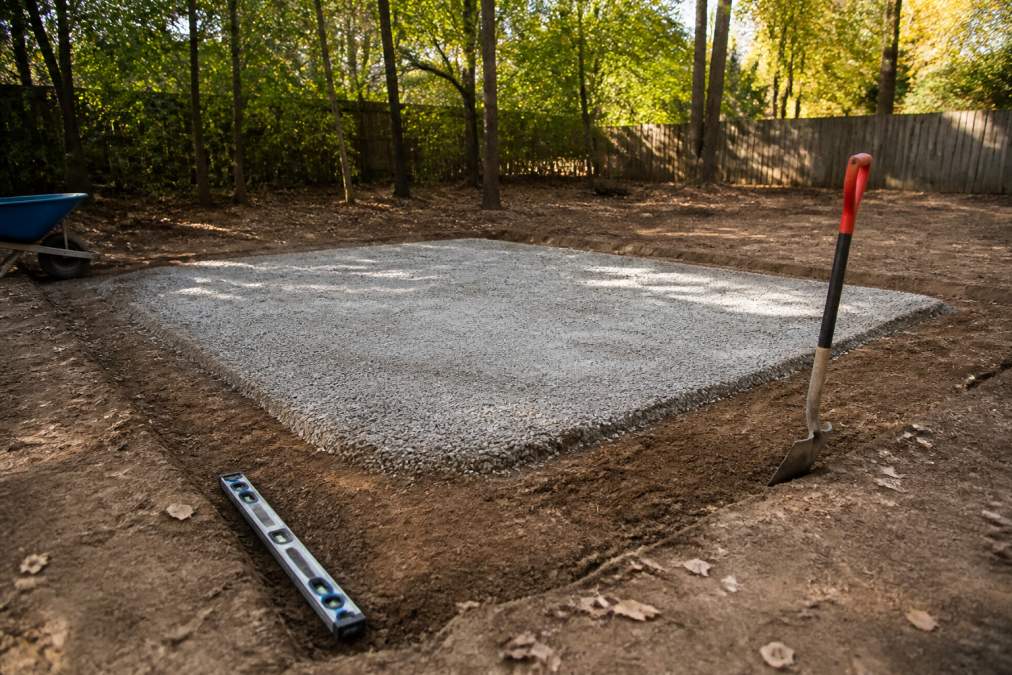
Site prep is the line item people forget. A flat, sunny spot needs minimal work. A sloped yard needs grading, retaining, or a raised base.
Foundation options range from simple to serious:
- Gravel pad – cheapest, works for small kits
- Concrete slab – most durable, best for large builds
- Wooden base – good middle ground for uneven ground
Utilities add cost fast. Running power for lights and fans means trenching and an electrician. Water lines cost more. Heaters, vents, and thermostats each add to the total.
If your yard slopes toward the back, don’t panic. Many builds handle a moderate grade with a raised foundation. But get a site visit before you commit to a number.
Greenhouse Installation Cost Breakdown
Labor is the biggest swing factor in any greenhouse project. A kit you assemble yourself costs less upfront. A custom build with professional installation costs more but saves you weekends and mistakes. Mastering the initial construction phase provides a solid foundation for the long-term success detailed in this greenhouse gardening guide.
Here’s how the money typically splits:
| Cost Category | What It Covers | DIY Impact | Pro Install Impact |
|---|---|---|---|
| Structure | Frame, panels, hardware | Full kit price | Full kit price |
| Site prep | Grading, leveling, base | Your time | Crew labor |
| Foundation | Gravel, concrete, or wood | Your time | Crew labor |
| Assembly | Putting it together | Your time | Crew labor |
| Utilities | Power, water, heat | Electrician/plumber | Electrician/plumber |
| Permits | Township fees | You file | Often handled for you |
The structure and utilities cost the same either way. The difference lives in site prep, foundation, and assembly.
DIY Kit vs. Custom-Built: Where the Labor Money Goes
A DIY kit saves on labor but costs you time. Most homeowners spend several weekends on assembly. Mistakes cost money to fix.
Custom-built means a crew handles design, delivery, and setup. You pay for that convenience, but you get a structure sized to your yard and your goals.
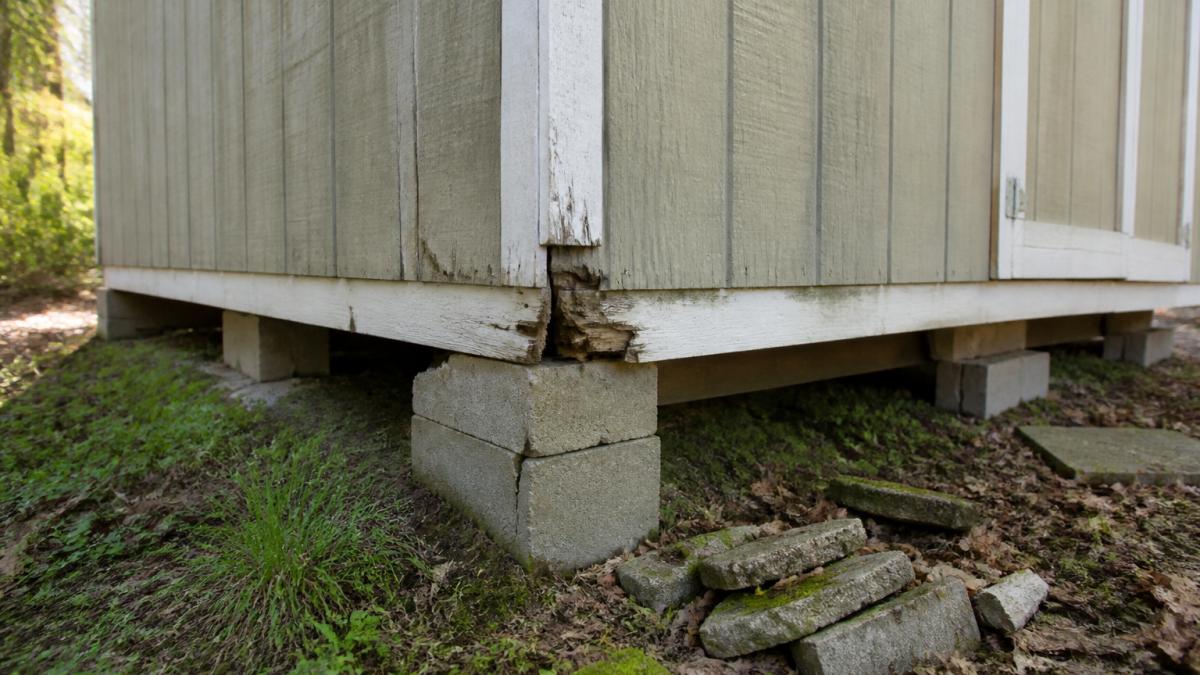
The most common DIY mistake is underestimating site prep. A kit dropped on an unlevel pad will twist, leak, and fail early. Fixing it later costs more than doing it right the first time.
Riehl Structures offers free delivery within 30 miles of our West Chester and King of Prussia locations. That includes setup on your property, not just a drop in the driveway.
Greenhouse Permit Requirements in Chester County
Permit rules vary by township, so there’s no single answer for Chester County. Most townships require a permit once a structure passes a certain size or height. Smaller greenhouses often fall under shed or accessory structure rules.
Before you build, check with your local township zoning office. Ask three questions:
- Does my greenhouse need a permit?
- Are there setback rules from property lines?
- Is there a size limit for accessory structures?
Skip this step and you risk fines or a forced removal. That’s a cost no one budgets for.
At Riehl Structures, we help customers work through the permit process. It’s part of our turnkey approach. You shouldn’t have to become a zoning expert to build a greenhouse.
Best Greenhouse Materials for Pennsylvania Winters
Pennsylvania winters punish weak structures. Snow load, freeze-thaw cycles, and wind all test your build. The right materials matter more here than in milder climates.
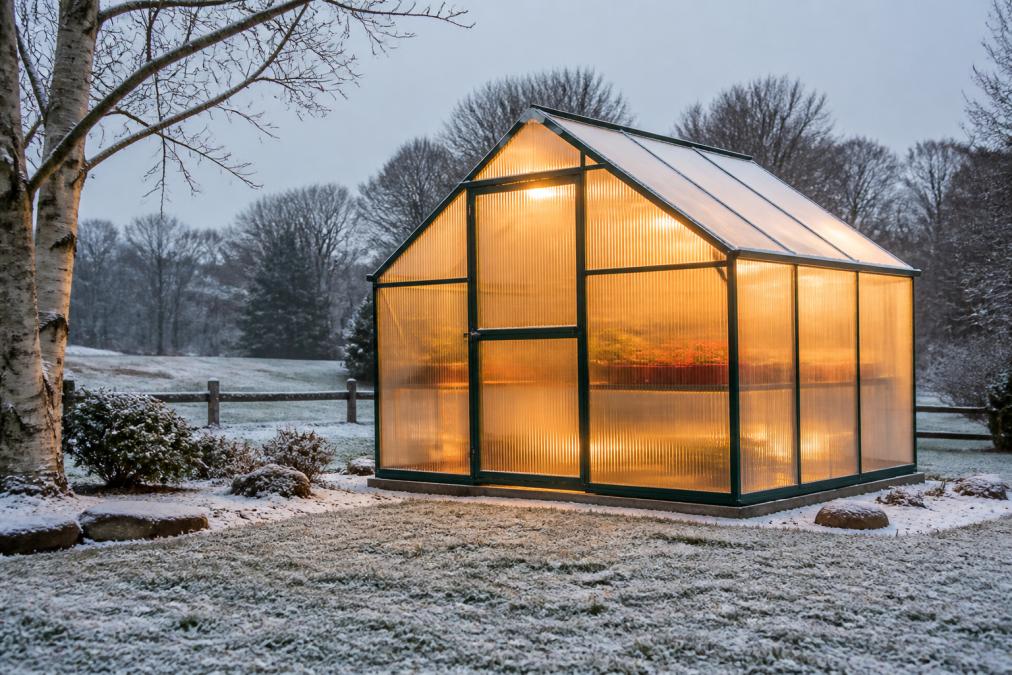
Top material picks for this climate:
- Twin-wall polycarbonate – Insulates well, handles snow, resists cracking
- Tempered glass – Beautiful and durable, but heavier and pricier
- Powder-coated aluminum frame – Won’t rust or rot
- Galvanized steel frame – Strongest for heavy snow areas
Avoid single-pane glass and thin film if you plan to grow through winter. They lose heat fast and struggle under snow.
Amish-built greenhouses use time-tested joinery and quality materials. That craftsmanship is why they hold up season after season.
How to Budget for a Greenhouse Step by Step
A realistic budget keeps your project on track. Follow these steps to build a greenhouse budget that won’t surprise you.
What You’ll Need Before You Start
Gather these before you price anything:
- Measured footprint of your planned greenhouse
- Photos of your yard, including slope and sun exposure
- List of must-have features (heat, water, power, benches)
- Your township’s permit rules
- A realistic timeline
- Your total spending limit
Then work through the numbers:
- Price the structure first (kit or custom)
- Add site prep and foundation
- Add utility hookups
- Add permit fees
- Add a buffer for surprises
The structure is usually the smallest number. Site work, utilities, and permits often add more than buyers expect. Budget those first, then pick your structure.
Riehl Structures offers flexible financing, including Rent to Own. No home equity required, and no prepayment penalties if you pay early.
Common Mistakes That Inflate Greenhouse Costs
Most budget blowups come from a short list of avoidable mistakes. Here’s what to watch for.
Skipping the site visit. You can’t price a build without seeing the ground. Slope, drainage, and sun exposure all change the plan.
Buying too small. A greenhouse that’s too small means an upgrade later. That’s two builds instead of one. Size up if you’re unsure.
Ignoring snow load. A cheap frame that sags under the first heavy snow is money wasted. Buy for your climate, not the lowest price.
Forgetting utilities. Power, water, and heat cost more than most people plan for. Price them before you commit.
Choosing the wrong glazing. Film and single-pane glass cost less upfront but cost more to run and replace.
Not asking about delivery and setup. “Free delivery” can mean curbside drop-off. Confirm what’s included before you buy.
Frequently Asked Questions
What is the average cost to build a small backyard greenhouse in Pennsylvania?
Pricing depends on size, materials, foundation type, and whether you choose a kit or a custom build, so there is no single figure that fits every yard. A small kit greenhouse sits at the lower end, while a custom Amish-built structure with a proper foundation and glazing upgrades costs more. For a quote based on your specific size and site, contact Riehl Structures directly.
Do I need a building permit for a greenhouse in West Chester, PA?
Permit rules vary by township and by the greenhouse’s size, height, and whether it sits on a permanent foundation. In Chester County, many smaller detached greenhouses fall under a certain square footage and may not need a permit, while larger or permanent structures often do. Always check with your local township zoning office before you build, and ask your builder whether they help with the paperwork.
What are the hidden costs of building a greenhouse?
The sticker price rarely covers everything. Budget for site prep and leveling, a foundation or gravel pad, electrical runs for heat and fans, water access, and permit fees. If your yard slopes, grading can add cost. Ventilation, shade cloth, and shelving also add up. Asking for a written breakdown before you sign keeps these extras from surprising you later.
Should I buy a greenhouse kit or build a custom structure?
Kits cost less upfront and go up faster, but they come in fixed sizes and standard materials that may not handle Pennsylvania winters as well. A custom build lets you match the footprint to your yard, choose glazing rated for snow load, and add ventilation where you need it. If you plan to keep the greenhouse for decades, custom is usually worth the difference.
Building a greenhouse is a real investment, and the costs add up fast if you plan poorly. Riehl Structures makes it simple with Amish-built quality, custom design, free delivery and setup within 30 miles of West Chester and King of Prussia, and flexible Rent to Own financing with no prepayment penalties. Get a quote from Riehl Structures and start planning the greenhouse your backyard has been waiting for.

Copy Link