Garden Shed Guide: Sizes, Cost & Foundation Tips
Copy Link
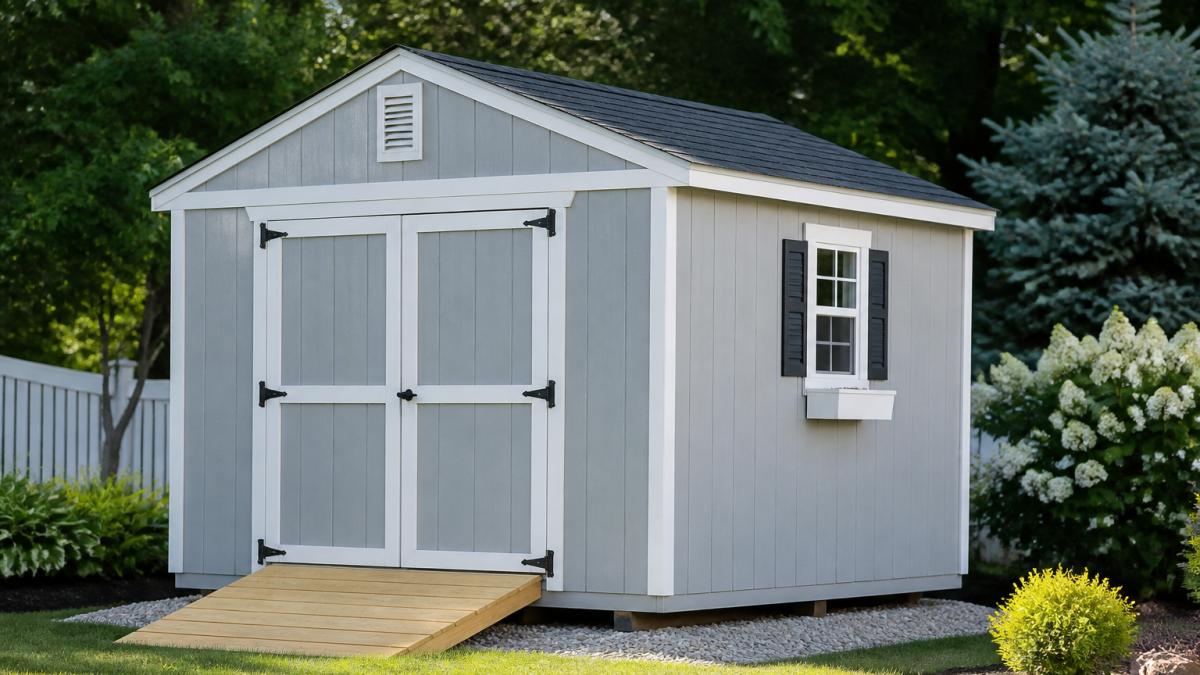
Table of Contents
- How to Choose the Right Garden Shed for Your Backyard
- Garden Shed Sizes: Which Dimensions Fit Your Needs?
- Garden Shed Cost: What Affects the Price You Pay
- Garden Shed Foundation: Preparing the Ground Correctly
- Garden Shed Organization Ideas That Maximize Space
- Maintenance Tips to Keep Your Garden Shed Looking New
- Why Amish-Built Sheds Last Longer (And How to Get One in West Chester)
- Conclusion: Your Next Step to a Better Backyard
- Frequently Asked Questions
Last Updated: October 4, 2026
How to Choose the Right Garden Shed for Your Backyard
A garden shed is an enclosed outdoor storage structure, typically built from wood, vinyl, or metal, used to store tools, equipment, and seasonal items. The right garden shed comes down to three variables: size, material, and how it sits on your ground.
Most buyers in West Chester, PA start with size and work backward. That’s the wrong order.
The foundation decides what you can build, the material decides how long it lasts, and the size is the easy part once those two are settled. This guide from Riehl Structures walks through dimensions, real cost drivers, foundation prep, layout, and upkeep, so you can order once and not twice.
The most common mistake is buying a garden shed before checking township setback requirements and slope. A shed that violates a setback can require relocation at your expense.
Garden Shed Sizes: Which Dimensions Fit Your Needs?
Garden shed sizes range from small 6×8-foot units for hand tools up to 12×24-foot structures that function as workshops. Sizing starts with an inventory of what goes inside, not with what looks proportional to the house.
- 6×8 or 8×8: Lawn mower, rakes, hoses, a few bikes
- 8×10 or 8×12: Full lawn equipment plus shelving and a workbench
- 10×16 or 10×20: Riding mower, generator, seasonal furniture, potting bench
- 12×24: Workshop or studio use with room to move around
Measure the tallest item you own before choosing a wall height. Riding mowers and stacked kayaks are the two items buyers most often underestimate.
Garden Shed Cost: What Affects the Price You Pay
Garden shed cost is driven by four factors: footprint, material, foundation type, and whether you need site prep or a permit. A larger footprint uses more lumber and siding. A concrete pad costs more upfront than a gravel pad but needs less long-term attention. Integrating these structures into a broader landscape design often requires careful budgeting for backyard renovation costs to ensure the entire outdoor space remains cohesive and functional.
Delivery distance matters too. Many local builders include free delivery within a set radius and charge mileage beyond it, so confirm that before you sign.
Request a quote with your dimensions, material preference, and site conditions, and you’ll get an accurate number rather than a range that shifts later.
Ask whether the quote includes site preparation and leveling. Delivery and setup are separate line items with many builders, and that gap is where budgets quietly break.
Garden Shed Foundation: Preparing the Ground Correctly
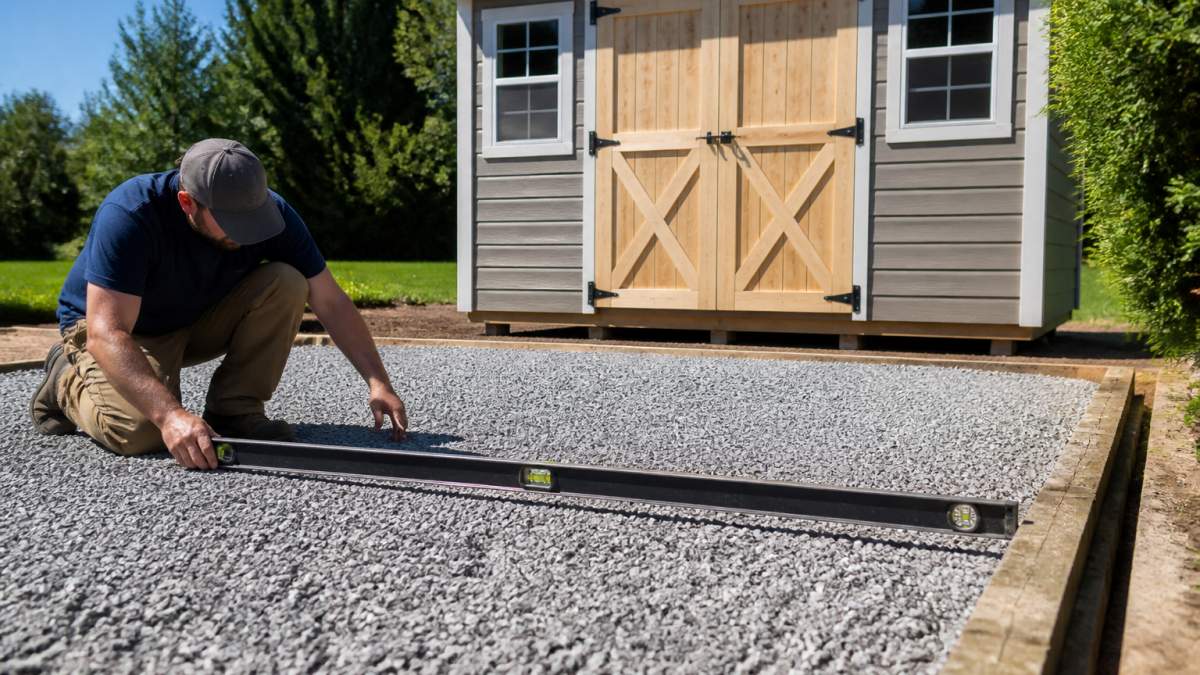
A garden shed foundation is the leveled base a shed rests on, and it determines whether doors close cleanly years from now. Three options cover most backyards:
- Gravel pad: Crushed stone over compacted soil, best for smaller sheds
- Wooden skid or beam: Pressure-treated runners on leveled blocks, good for sloped yards
- Concrete slab: Most durable, best for heavy equipment or workshop use
The site needs to be level within a small tolerance. A yard that slopes toward the back can usually be handled with a beam foundation and blocking rather than a full regrade, which saves significant money.
Garden Shed Organization Ideas That Maximize Space
Garden shed organization ideas work best when they’re planned before the shed arrives, not after. Vertical storage is the single highest-return change: wall-mounted hooks, overhead joist storage, and tall shelving keep the floor clear.
A few layouts that hold up in practice:
- Zone one wall for long-handled tools on horizontal racks
- Put a workbench under the window for natural light
- Use stackable bins for seasonal items, labeled by season
- Keep a clear path down the center; corner-to-corner clutter kills usability
An 8×10 shed with good vertical storage holds more usable equipment than a cluttered 10×16.
Maintenance Tips to Keep Your Garden Shed Looking New
Maintenance comes down to water, wood, and hardware. Check the roof and flashing each spring, and clear debris from the gutters if your shed has them.
- Reseal or repaint wood siding on the manufacturer’s schedule
- Check the door track and hinges for alignment twice a year
- Keep soil and mulch below the siding line to prevent rot
- Look for insect activity near the base each fall
A shed that stays dry and level will outlast one that gets periodic deep cleaning but sits in standing water.
Why Amish-Built Sheds Last Longer (And How to Get One in West Chester)
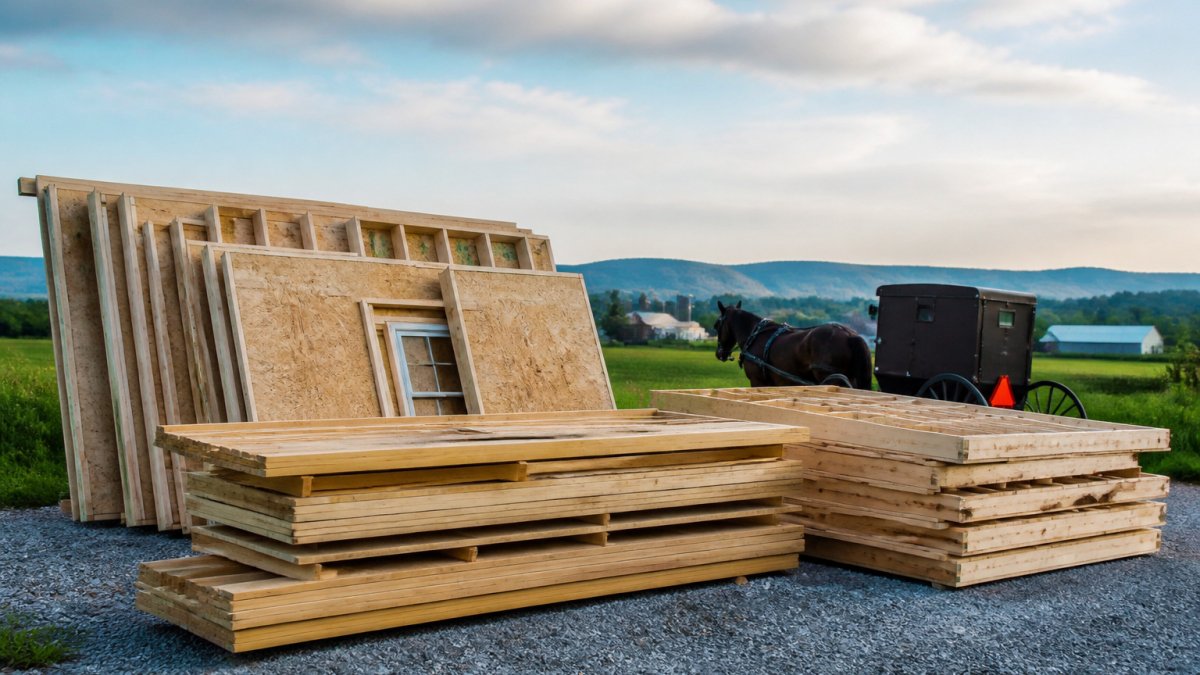
Amish-built sheds last longer because of construction method, not marketing. The difference shows up in framing spacing, joinery, and material grade, and it’s the reason a well-built shed can outlast two cheaper units.
Cheaper sheds often use thinner framing and staples where a better build uses screws and proper fasteners. That gap shows up years later as sagging rooflines and doors that won’t latch.
Riehl Structures is a family-owned business with more than 30 years of experience building Amish-crafted sheds, garages, greenhouses, and outdoor structures. We deliver free within 30 miles of our West Chester and King of Prussia locations, and we offer flexible financing, including Rent to Own, with no prepayment penalties and no home equity required.
If you’re searching for a garden shed near me in Chester County, start by getting a quote that accounts for your actual yard.
The cheapest shed on the market is rarely the cheapest over ten years. Framing quality and foundation prep are what determine whether you replace it or maintain it.
Conclusion: Your Next Step to a Better Backyard
The hard part isn’t picking a shed; it’s getting the size, foundation, and site prep right the first time. Riehl Structures handles custom design, free delivery within 30 miles of our West Chester and King of Prussia locations, and flexible financing with no prepayment penalties. Get a quote now and we’ll help you match the right structure to your yard.
Frequently Asked Questions
What size garden shed do I need?
The right size depends on what you plan to store. A small 6×8 or 8×8 shed works for basic lawn tools and bikes. If you need room for a riding mower, wheelbarrow, and shelving, consider a 10×12 or larger. Measure your largest items and add 2-3 feet of clearance for walking and working. Also check local setback rules before finalizing placement.
How much does a garden shed cost?
Garden shed cost varies based on size, materials, foundation type, and features like windows or ramps. For an accurate quote based on your specific needs, contact Riehl Structures directly. They offer flexible financing including rent-to-own with no prepayment penalties.
Do I need a permit for a garden shed in West Chester, PA?
Permit requirements depend on your township and the shed’s size. Many municipalities require a permit if the shed exceeds a certain square footage or height. In West Chester and surrounding Chester County areas, rules vary. Check with your local zoning office before building. Riehl Structures can guide you on typical requirements but final approval rests with your township.
How do I prepare the ground for a garden shed?
Start by choosing a level spot with good drainage. Clear grass and debris, then excavate if needed. For a gravel pad, dig 4-6 inches deep, fill with crushed stone, and compact it. For a concrete slab, pour a 4-inch thick pad reinforced with wire mesh. Proper garden shed foundation prevents settling and extends the life of your structure.

Copy Link