Choosing Right Size Storage Shed: Your Complete Guide
Copy Link
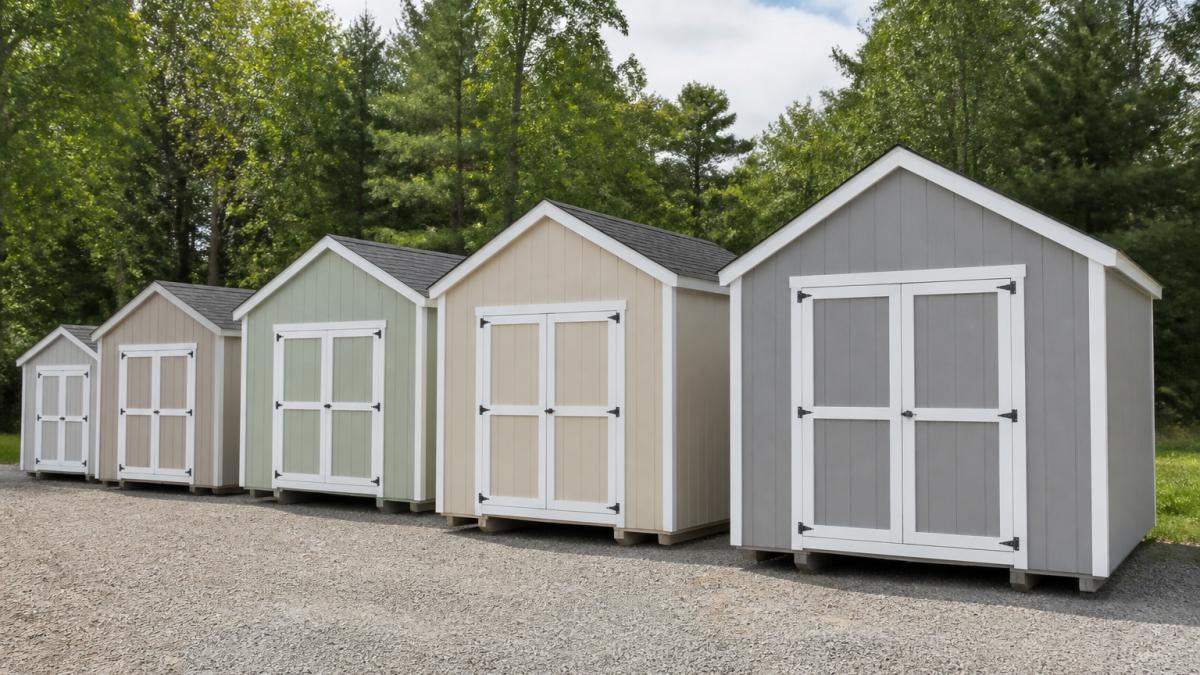
Table of Contents
- Choosing the Right Size Storage Shed: Start With Your Inventory, Not the Catalog
- How to Calculate Square Footage for a Storage Shed
- Standard Shed Sizes and What Each One Actually Holds
- Custom Amish shed design options That Solve Size Problems
- Conclusion: Measure Twice, Build Once
- Frequently Asked Questions
Last Updated: October 2, 2026
Choosing the Right Size Storage Shed: Start With Your Inventory, Not the Catalog
Most buyers pick a shed size by browsing photos and guessing, then discover six months later that the lawn tractor won’t fit through the door. Choosing the right size storage shed starts with a tape measure and a written inventory, not a catalog page. This guide from Riehl Structures, a family-owned builder serving West Chester, PA and the surrounding region for over 30 years, walks through the numbers that actually decide shed size.
A storage shed is a permanent or portable outdoor structure used to store tools, equipment, vehicles, and household overflow. The right size comes down to three measurements: what you own, how much floor space it needs, and how much room you have to place the building.
Get those three numbers right and everything else, style, doors, windows, finishes, falls into place.
The Three Numbers That Decide Shed Size
Three figures control every sizing decision: total floor area needed, the longest single item you’ll store, and usable yard space.
Floor area is the easy one. The longest item is where people trip up. A riding mower needs a footprint plus clearance to walk around it.
Measure each item, add 20 to 30 percent for movement and shelving, then compare that total against your yard’s buildable area.
How to Calculate Square Footage for a Storage Shed
Square footage is length times width, but the number that matters is usable square footage after subtracting door swing, shelving depth, and walkway space. A 10×12 shed gives you 120 square feet on paper. Realistically, you’ll use about 80 of them.
Work in zones rather than one big pile:
- Floor zone: mowers, bikes, wheelbarrows, trash bins
- Wall zone: shovels, rakes, ladders, long-handled tools
- Shelf zone: paint, small tools, seasonal items
- Walkway: at least 3 feet down the center
Add the zones together, then round up to the next standard size. It’s cheaper to buy one size larger than to add a second shed later.
A Simple Worksheet You Can Copy
Use this checklist before you shop:
- List every item going in, with length, width, and height
- Mark which items need floor space vs. wall hanging
- Total the floor footprint, then add 25 percent
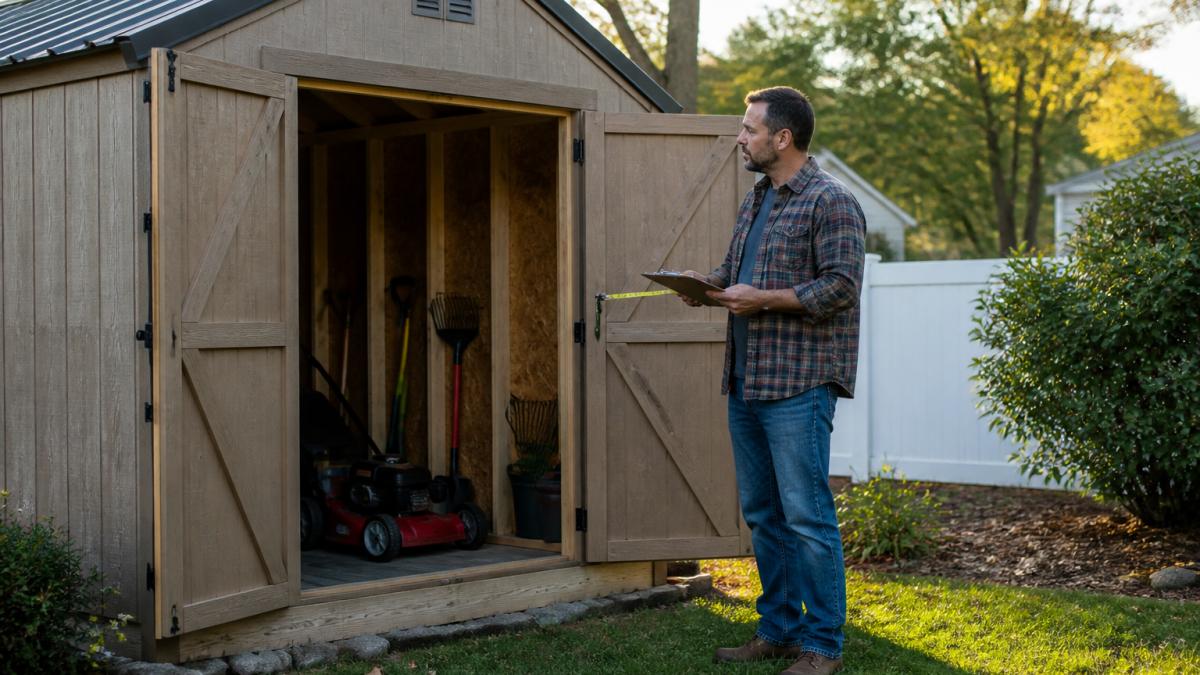
- Measure the longest single item for door width
- Measure your buildable yard area after setbacks
- Check headroom needs (kayaks, ladders, riding mowers)
- Decide future storage: anything arriving in the next 2-3 years?
Standard Shed Sizes and What Each One Actually Holds
Standard backyard sheds run from 8×8 up to 12×24, and each size has a realistic capacity ceiling. An 8×8 holds garden tools and a push mower. A 10×12 handles a riding mower plus shelving. A 12×20 or larger becomes a workshop or garage substitute.
| Size | Floor Area | Realistic Capacity | Best For |
|---|---|---|---|
| 8×8 | 64 sq ft | Push mower, tools, bikes | Basic garden storage |
| 8×10 | 80 sq ft | Push mower, shelving, seasonal bins | Small yards |
| 10×12 | 120 sq ft | Riding mower or small workshop bench | Most suburban homes |
| 10×16 | 160 sq ft | Riding mower, workbench, shelving | Active gardeners |
| 12×20 | 240 sq ft | Workshop, motorcycle, bulk storage | Hobbyists, home businesses |
| 12×24 | 288 sq ft | Two vehicles or full workshop | Garage replacement |
(/tag/how-to-prepare-shed-foundation/) tips matter most on uneven ground, and sloped lots don’t automatically mean a costly retaining wall. A shed needs a level, well-drained pad. On gentle slopes, a gravel pad with a slight grade away from the structure usually does the job.
For steeper yards, options include:
- Gravel pad with excavation: cut into the slope, backfill the low side
- Concrete slab: durable but requires more excavation
- Pier foundation: posts set to frost depth, deck framed level on top
- Timber skids: for smaller sheds on mild slopes
Drainage is non-negotiable. Water pooling at the base rots flooring and invites pests. Direct runoff away from the pad, and keep the shed at least a few inches above surrounding soil.
Tight lots bring a different problem: access. A shed placed behind a fence or under low branches can’t be delivered by truck. Walk the delivery path first. If a truck can’t reach the site, the structure may need to be built in place, which changes your timeline.
Custom Amish shed design options That Solve Size Problems
Custom Amish shed design options solve the sizing puzzle without upsizing the footprint. A 10×12 with a loft, high walls, and a side door stores as much as a plain 12×14.
High-value customizations for tight spaces:
- Loft storage: overhead space for seasonal items, frees floor area
- Extra-height walls: vertical room for ladders and long tools
- Transom or gable windows: daylight without sacrificing wall space
- Side or double doors: better access on narrow lots
- Built-in workbench: workshop function in a smaller footprint
- Ramp instead of a step: roll equipment straight in
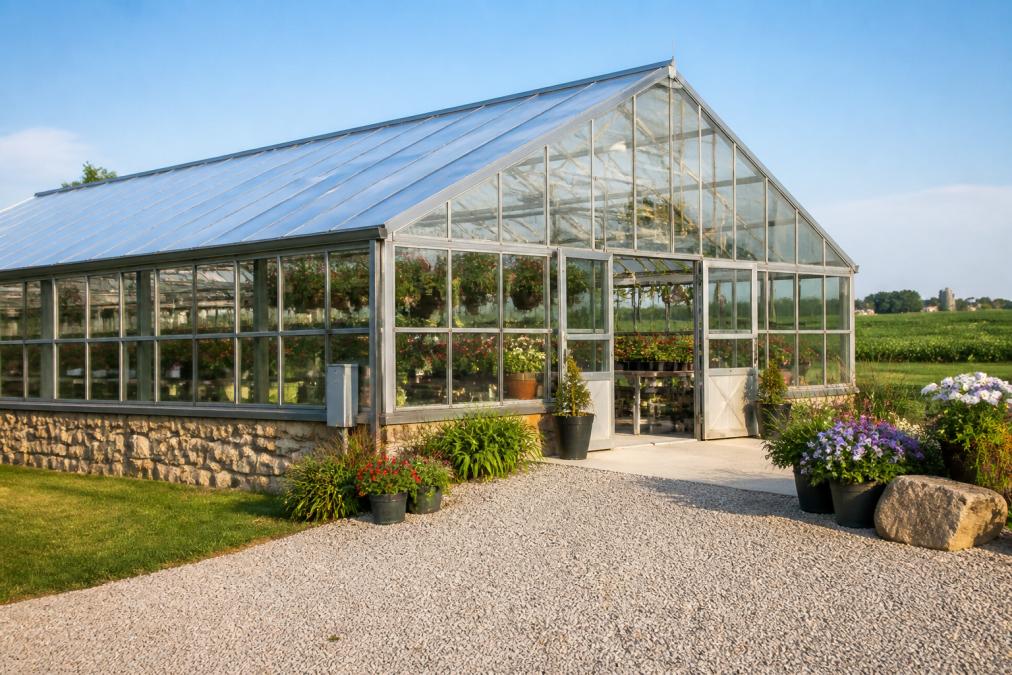
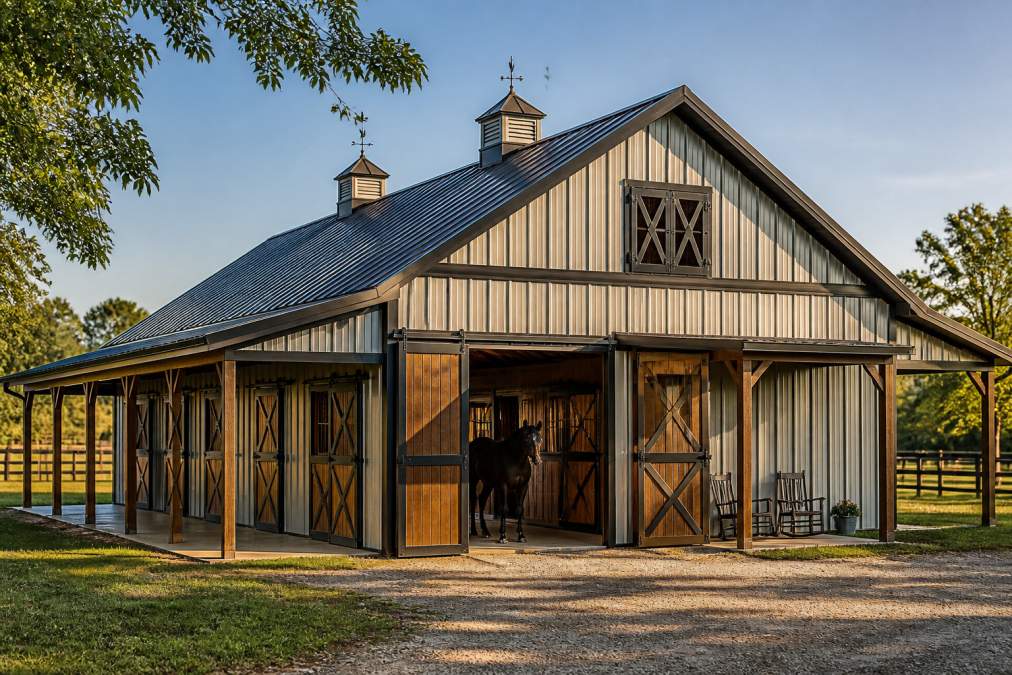
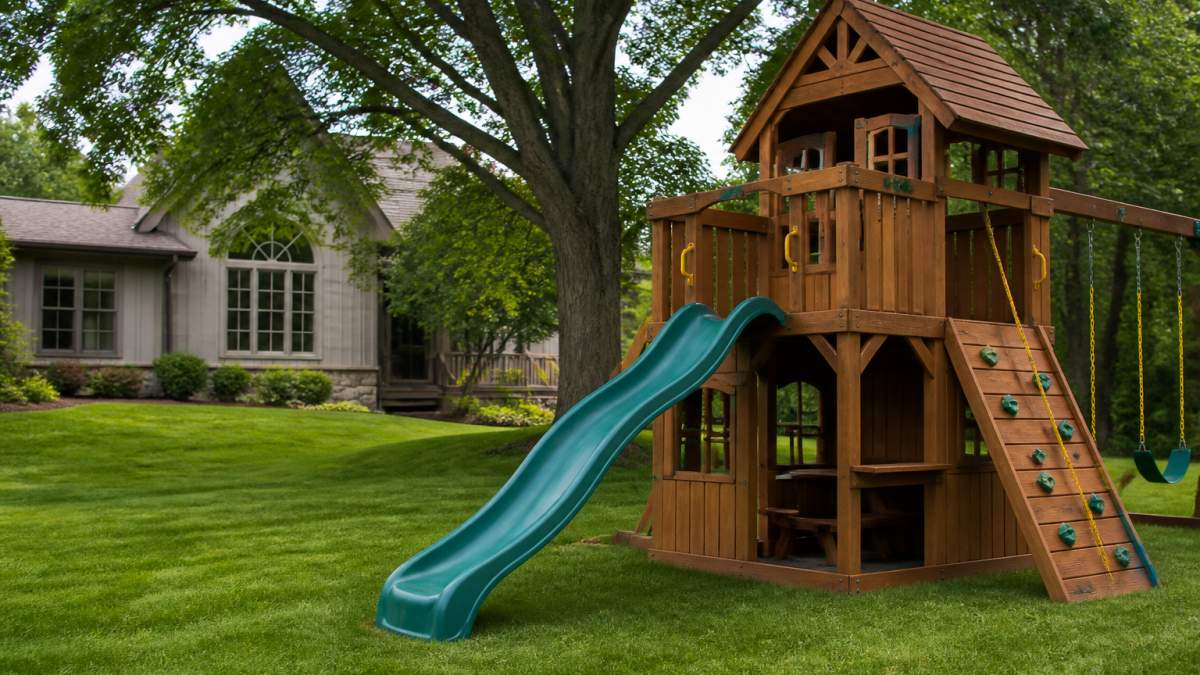
Riehl Structures builds custom sheds, garages, greenhouses, and playsets with Amish craftsmanship, and the team helps customers match dimensions to their actual inventory. Flexible financing including Rent to Own, with no prepayment penalties and no home equity required, makes a larger shed more affordable upfront.
Size problems are usually layout problems. A loft, taller walls, and a second door often add more usable storage than moving up a full shed size, and they cost less.
Conclusion: Measure Twice, Build Once
The gap between a shed that works and one you regret comes down to an afternoon with a tape measure and a phone call to your township. Inventory first, square footage second, yard constraints third.
Choosing the right shed size isn’t about picking the biggest building your yard allows. It’s about matching a structure to what you own, how you move through the space, and what your township permits.
Frequently Asked Questions
What is the most popular size for a backyard storage shed?
The 10×12 shed is the most common choice for a typical suburban yard. It holds a riding mower, a snowblower, lawn tools, bikes, and seasonal decorations without feeling cramped. If you only store hand tools and a push mower, an 8×10 works fine. If you plan to add a workbench or store a small tractor, step up to 12×16. The right answer depends on what you own today plus what you expect to add in the next few years.
How do I calculate the square footage I need for a storage shed?
Measure the footprint of every item you plan to store, then add 30 to 40 percent for aisles and access space. A riding mower takes about 20 square feet. A workbench needs 12 to 15 square feet. Stacked bins and shelving add another 15 to 20 square feet. Add those numbers, apply the access buffer, and you have a working target. Round up to the nearest standard shed size rather than trying to squeeze into an exact match.
Do I need a building permit for a storage shed in Chester County, PA?
Permit rules vary by township, so the only reliable answer comes from your local code office. Many Chester County townships require a permit for sheds above a certain square footage, often 100 to 200 square feet, and some also enforce setback distances from property lines. Before you order, call your township zoning officer with the shed dimensions and your lot plan in hand.
How much space should I leave around a storage shed?
Leave at least 2 feet of clearance on the sides and back for air circulation and maintenance, and 3 to 4 feet at the door for easy access with wheelbarrows or mowers. If your shed sits near a fence or tree line, add extra room for roof overhang and water runoff. Check your township setback requirements too, because those legal distances often exceed what you would choose for practical reasons alone.
What are the standard dimensions for Amish-built storage sheds?
Amish-built sheds commonly come in 8×8, 8×10, 8×12, 10×10, 10×12, 10×16, 12×12, 12×16, 12×20, and larger. The most popular sizes for residential backyards are 10×12 and 12×16. Wall heights typically run 6 to 8 feet, with some models offering a loft or higher side walls for vertical storage. Custom sizes are available if a standard footprint does not fit your lot or your gear.

Copy Link