Can a Greenhouse Actually Pay for Itself? (We Crunched the Numbers)
Copy Link
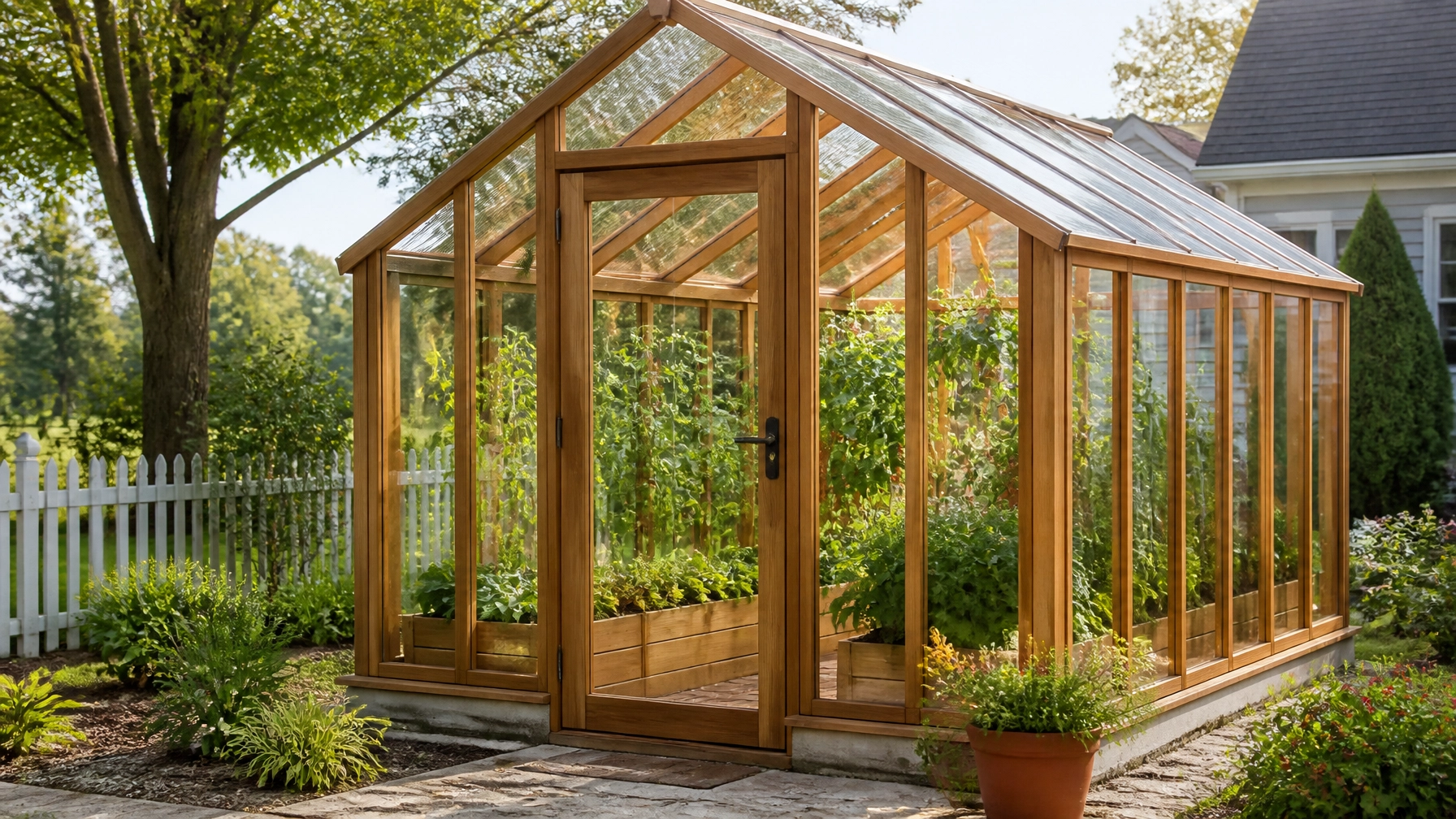
A backyard greenhouse can be a beautiful addition to your property, but can it actually pay for itself?
The honest answer is: sometimes, yes. A greenhouse is unlikely to replace your entire grocery bill, but a well-planned structure can gradually offset its cost through homegrown produce, lower plant-start expenses, fewer replacement plants, and an extended growing season.
The key is choosing the right size, avoiding unnecessary heating costs, and using the greenhouse consistently. Here’s what the numbers can look like for a homeowner in southeastern Pennsylvania.
What Does a Backyard Greenhouse Cost?
Greenhouse prices vary significantly based on size, materials, foundation requirements, ventilation, and heating.
According to Riehl Structures’ 2026 greenhouse pricing guide, custom backyard greenhouses may range from approximately $2,000 for a small 8×10 structure to $8,000 or more for a larger 12×16 design. Quality custom greenhouse construction commonly falls in the range of $25 to $50 per square foot.
National cost data from HomeAdvisor places professional greenhouse projects between roughly $3,071 and $16,209, with an average cost of about $9,640. That broader range includes larger structures, premium materials, utilities, heating, and professional site work.
For a realistic homeowner budget, consider three general tiers:
| Greenhouse project | Typical total investment |
|---|---|
| Basic 8×10 greenhouse with modest setup | $3,000–$5,000 |
| Mid-size 10×12 greenhouse with improvements | $5,000–$8,000 |
| Larger or heated custom greenhouse | $10,000–$16,000+ |
Your actual quote may differ. Riehl Structures does not publish one universal greenhouse price because each structure can be customized to your property and growing goals.
Don’t Forget the Setup Costs
The greenhouse itself is only part of the investment. You may also need to budget for:
- Site preparation and leveling
- Gravel, a pad, or another foundation solution
- Shelving and growing benches
- Ventilation
- Irrigation or a nearby water connection
- Electrical service
- Heating for cold-weather growing
- Pots, trays, soil, seeds, and other supplies
Site preparation alone can add hundreds, or more if your yard needs significant grading. Before ordering, review Riehl’s site preparation guide and check local zoning or HOA requirements.
The Savings: Where the Payback Comes From
A greenhouse can help reduce household spending in several different ways. The savings are usually gradual, but they can add up over many growing seasons.
1. Homegrown Produce
A productive 8×10 greenhouse can support tomatoes, peppers, cucumbers, herbs, lettuce, spinach, microgreens, and other high-value crops.
The largest savings generally come from crops that are:
- Expensive at the grocery store
- Frequently used by your household
- Difficult to grow outdoors for a long season
- Productive when grown vertically or in containers
For example, a serious gardener might reasonably replace $30 to $60 per month in purchased herbs, salad greens, tomatoes, and specialty produce during the most productive months.
That could equal approximately:
- Spring through fall: $400–$600 in produce savings
- Winter greens and herbs: $50–$150
- Total potential produce savings: $450–$750 per year
These are illustrative numbers, not guarantees. Your savings depend on what you grow, how much your family eats, and whether you avoid waste.
2. Starting Your Own Plants
One of the most reliable ways to save money with a greenhouse is starting plants from seed.
Instead of purchasing several dozen tomato, pepper, vegetable, and flower plants from a garden center, you can buy seed packets and grow your own transplants. A packet of seeds may cost only a few dollars, while individual nursery plants can cost several dollars each.
A homeowner who starts 100 to 150 plants annually might save approximately:
- Vegetable transplants: $150–$300
- Annual flowers: $50–$150
- Herbs and specialty plants: $25–$75
That creates an estimated annual savings of $225–$525, especially if you already enjoy gardening and would purchase these plants anyway.

3. Overwintering Plants
A greenhouse can also help protect plants you would otherwise replace every year.
You may be able to overwinter:
- Tender herbs
- Potted perennials
- Geraniums
- Citrus or tropical plants
- Decorative annuals
- Valuable container plants
If you typically spend $100 to $300 replacing plants after winter losses, a greenhouse may reduce that expense. It may not eliminate replacement costs entirely, but even saving $150 per year contributes to the long-term return.
A Realistic Greenhouse Payback Example
Let’s use a hypothetical 10×12 greenhouse project in Pennsylvania.
Estimated initial investment
| Expense | Example cost |
|---|---|
| Custom greenhouse structure | $4,500 |
| Basic site preparation | $750 |
| Benches, shelving, and ventilation | $650 |
| Initial pots, soil, trays, and seeds | $250 |
| Estimated total | $6,150 |
Now estimate the annual benefit:
| Annual benefit | Example savings |
|---|---|
| Produce and herbs | $600 |
| Homegrown transplants | $300 |
| Overwintered plants | $150 |
| Gross annual savings | $1,050 |
| Seeds, soil, water, and maintenance | -$250 |
| Estimated net annual savings | $800 |
At $800 in net annual savings, the greenhouse would reach break-even in approximately:
$6,150 ÷ $800 = 7.7 years
That does not mean you receive a check for $800 each year. It means the value of the produce, plants, and gardening supplies you no longer need to purchase could equal the original investment over time.
A more conservative homeowner saving $500 per year might reach break-even in approximately 12 years. A highly productive gardener who saves $1,100 per year could reach break-even in about five to six years.
Can Year-Round Growing Improve the Numbers?
Yes, but “year-round growing” in Pennsylvania does not necessarily mean growing summer tomatoes in January without significant energy use.
An unheated or minimally heated greenhouse can still extend your growing season by several months. You can start plants earlier in spring, continue harvesting later in fall, and grow cool-season crops during much of winter.
Good Pennsylvania greenhouse crops include:
- Spinach
- Kale
- Mache
- Lettuce
- Asian greens
- Radishes
- Herbs
- Microgreens
During the coldest months, the greenhouse may function more as a protected growing space than a warm summer garden. That distinction matters because heating can quickly reduce your savings.
A heated greenhouse may be worthwhile if you grow high-value plants or want year-round access to a comfortable gardening space. But if your primary goal is financial payback, passive solar design, good ventilation, row covers, and cold-tolerant crops usually make the numbers more favorable.

Does a Greenhouse Add Home Value?
It can, but home value should be considered a secondary benefit, not the main reason to buy one.
A permanent, attractive, well-maintained greenhouse may appeal to buyers who enjoy gardening, growing food, or spending time outdoors. A thoughtfully designed structure can also make your backyard feel more finished and useful.
However, resale value varies by location and buyer preference. One homeowner may see a greenhouse as a major advantage, while another may see it as an extra maintenance responsibility.
The strongest resale appeal usually comes from a greenhouse that:
- Looks like it belongs with the home
- Is structurally sound
- Has a clean, organized interior
- Includes practical ventilation and access
- Is placed on a properly prepared site
- Complements nearby landscaping and outdoor structures
In other words, craftsmanship and design matter. A greenhouse that lasts and looks intentional is more likely to contribute value than a temporary structure that needs immediate repairs.
Why Amish Craftsmanship Matters
Riehl Structures works with manufacturers whose products are built in Lancaster County, Pennsylvania, a region known for skilled woodworking and quality outdoor construction.
Riehl’s greenhouse collection includes:
- A-Frame greenhouses
- Garden greenhouses
- Atrium greenhouses
- Combo greenhouse and shed designs
The company’s greenhouse collection is designed for different levels of growing space, from an entry-level A-Frame to larger structures for serious gardeners. A combo greenhouse can also add a growing area to a shed or garage, creating a dedicated potting and storage space in one structure.

Customization Can Help You Avoid Overspending
Customization is not just about appearance. It can help you spend money on the features you will actually use.
For example, you might prioritize:
- A wider door for carts and supplies
- Extra ventilation for summer heat
- Shelving for seed starts
- A potting area
- A greenhouse-and-shed combination
- Specific exterior colors and trim
- A size that fits your yard without unnecessary square footage
Riehl’s building options show how exterior finishes, doors, ventilation, roofing, and interior features can be tailored to your needs.
The most cost-effective greenhouse is not always the cheapest one. It is the one sized correctly for your property, built to last, and used regularly.
Financing and Delivery Options
You do not necessarily need to pay the entire cost upfront. Riehl Structures offers flexible financing options through RTO National, including monthly payment plans, funding options, no home equity requirement, and no prepayment penalties.
The company also offers a SmartPay Rent to Own program with low monthly payments and early payoff options, including a 90 Days Same-as-Cash offer. Review the provider’s terms carefully to determine which option fits your budget.
Riehl also provides free delivery within 30 miles of its West Chester and King of Prussia offices. That can reduce the delivered cost for homeowners in nearby communities.
So, Can a Greenhouse Pay for Itself?
Yes, a backyard greenhouse can pay for itself: but usually over several years, not several months.
Your best chance of reaching break-even comes from:
- Choosing a moderate-size structure
- Growing produce you would actually buy
- Starting plants from seed
- Using the greenhouse during multiple seasons
- Avoiding unnecessary winter heating
- Maintaining the structure properly
- Staying in your home long enough to enjoy the investment
For many homeowners, the financial return is only part of the value. A greenhouse can also provide fresh food, a productive hobby, a place to garden in poor weather, and a beautiful feature in the backyard.
If you are planning a larger backyard update, Riehl Structures also offers playsets and swing sets, including backyard playsets, wooden playsets, custom playsets, playset installation, and playsets for sale for families searching for playsets near me.
Ready to run the numbers for your property? Explore Riehl Structures’ greenhouse collection, design your greenhouse, or request a free quote.

Copy Link