Best Shed Materials for Long-Term Durability
Copy Link
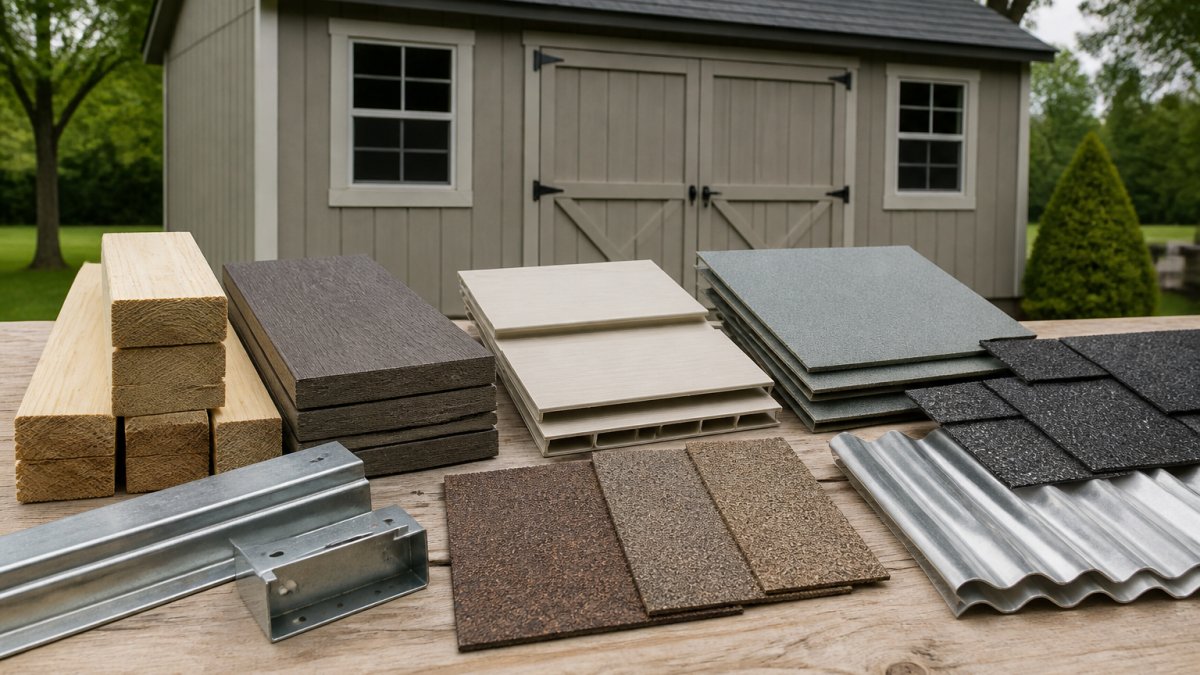
Table of Contents
- What Makes Shed Materials Last: Durability Factors That Matter
- Wood vs Metal Shed: Comparing Two Traditional Options
- Resin vs Wood Shed: Why Material Choice Affects Longevity
- Vinyl Sheds: Weather Resistance and Long-Term Performance
- Shed Material Lifespan: What to Expect From Each Option
- Low Maintenance Shed Materials: Reducing Upkeep Over Time
- Choosing the Right Material for Your Needs
- Frequently Asked Questions
Last Updated: October 18, 2026
What Makes Shed Materials Last: Durability Factors That Matter
When you’re investing in a shed, you’re not just buying storage, you’re making a decision that affects your property for years. The best shed materials for long term durability balance three core factors: resistance to weather, structural integrity under stress, and maintenance demands over time.
In West Chester and the surrounding region, where humidity, temperature swings, and seasonal weather patterns test outdoor structures year-round, material choice determines whether your shed remains functional or becomes a liability. At Riehl Structures, we’ve worked with homeowners to match materials to local conditions and long-term expectations.
Durability isn’t just about thickness or initial appearance. It’s about how a material responds to moisture, UV exposure, freeze-thaw cycles, and the cumulative weight of snow and debris. Some materials resist rot but require regular maintenance. Others demand less upkeep but cost more upfront. Understanding these trade-offs helps you choose materials that align with your budget, your willingness to maintain, and how long you actually plan to keep the structure.
Below, we’ll break down the most common shed materials available, their real-world lifespans, and what maintenance looks like for each. By the end, you’ll know exactly which option makes sense for your needs.
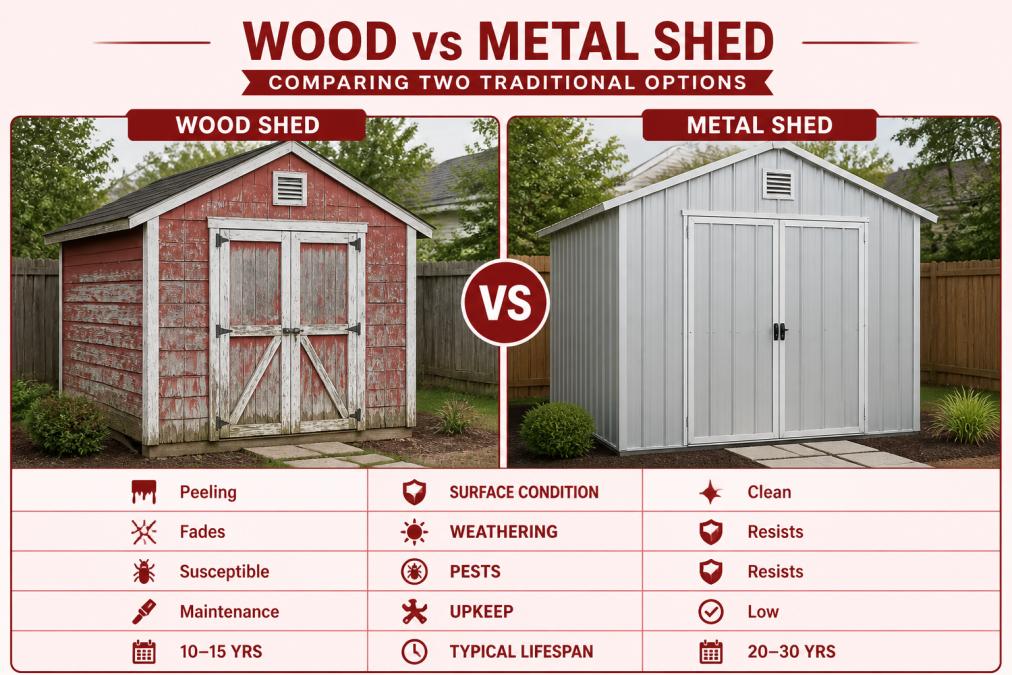
Wood vs Metal Shed: Comparing Two Traditional Options
Wood and metal represent the two longest-standing shed material choices, and for good reason, both can last decades when properly maintained.
Wood sheds offer aesthetic appeal and blend naturally into most landscapes. They accept stain and paint easily, allowing customization that matches your home. However, wood requires vigilant maintenance. It absorbs moisture, which leads to rot, warping, and structural compromise over time. In humid climates like ours in Pennsylvania, untreated wood deteriorates faster. Paint or stain must be reapplied every 3-5 years to maintain protection. Termites and wood-boring insects present additional risks in certain regions.
Metal sheds, typically constructed from galvanized steel or aluminum, resist rot and insect damage entirely. Galvanized steel withstands harsh weather and is nearly impenetrable to pests. Aluminum is lighter, won’t rust, and requires minimal maintenance. The trade-off: metal conducts temperature extremes, making interiors hot in summer and cold in winter. Metal also dents more easily than wood and can develop rust at seams or damage points if the galvanizing layer is compromised.
| Material | Weather Resistance | Maintenance Frequency | Lifespan Expectation | Best For |
|---|---|---|---|---|
| Wood | Moderate (requires sealing) | Every 3-5 years | 15-30 years | Aesthetic appeal, custom designs |
| Galvanized Steel | High | Annual inspection | 20-40 years | Durability, security, fire resistance |
| Aluminum | High | Minimal | 20-30 years | Lightweight, corrosion-free, coastal areas |
Wood sheds in West Chester often last 15-25 years with consistent maintenance. Metal sheds routinely reach 25-40 years. The real difference comes down to your commitment to upkeep and your climate tolerance.
If you choose wood, invest in quality stain or sealant at purchase, not later. The first protective coat determines how well the wood resists moisture for years to come. Skimping here costs you in maintenance frequency down the line.
Resin vs Wood Shed: Why Material Choice Affects Longevity
Resin sheds have emerged as a middle ground between wood’s aesthetics and metal’s durability. Resin (typically polyethylene or similar polymers) resists moisture and rot completely, eliminating one of wood’s primary failure points.
A key advantage: resin doesn’t need staining, painting, or sealing. You won’t spend weekends maintaining it. Resin also won’t splinter, warp, or attract insects. For homeowners who want a durable structure without ongoing maintenance, this matters.
The limitations are real. Resin sheds typically cost more upfront than wood. They don’t accept customization the way wood does, you’re limited to the colors and styles the manufacturer offers. Resin can become brittle in extreme cold or fade under intense UV exposure over many years, though modern formulations have improved significantly.
Resin sheds often last 15-20 years reliably, sometimes longer. They’re best suited for homeowners in West Chester who prioritize convenience over aesthetic flexibility and are willing to pay a premium for low-maintenance durability.
Resin’s real value isn’t in lifespan, it’s in eliminated maintenance. If your time is more valuable than the upfront cost difference, resin pays dividends.
Vinyl Sheds: Weather Resistance and Long-Term Performance
Vinyl represents another synthetic option, distinct from resin in composition and performance. Vinyl sheds combine rigid PVC panels with a frame structure, offering a different durability profile.
Vinyl resists moisture, rot, and insect damage like resin does. It also resists fading better than many resin formulations. Vinyl doesn’t require painting or staining. The material is durable and, when properly installed, can withstand significant weather stress. While the siding remains impervious to the elements, the choice of roofing material longevity often dictates the overall lifespan of the structure, especially when comparing the performance of metal versus shingles.
Trade-offs exist. Vinyl is less flexible than resin and can crack in extreme cold if impacted. It’s also more expensive than wood and comparable to resin in cost. Vinyl sheds are typically available in limited color options, usually white, tan, or gray. Customization is minimal.
Vinyl sheds in good condition often reach 20-25 years of reliable use. They’re excellent for homeowners who want durability without maintenance and don’t mind limited aesthetic options. In regions with moderate climates, vinyl performs well. In areas with extreme temperature swings, the brittleness risk increases slightly.
Shed Material Lifespan: What to Expect From Each Option
Understanding realistic lifespans helps you evaluate true cost-per-year and plan for replacement or upgrade cycles.
Wood sheds typically last 15-30 years depending on wood type, initial treatment, and maintenance consistency. Cedar and redwood last longer than pine. Pressure-treated wood offers moderate longevity improvement. The wide range reflects maintenance quality, neglected wood sheds fail faster; well-maintained ones exceed 25 years.
Metal sheds (galvanized steel) often reach 25-40 years. Aluminum sheds typically last 20-30 years. Metal’s advantage is predictability, lifespan doesn’t vary as much based on maintenance quality, though annual inspections extend life.
Resin sheds generally last 15-20 years reliably, with some lasting longer if protected from extreme UV exposure.
Vinyl sheds typically reach 20-25 years with proper installation and care.
Concrete sheds, though less common, can last 30-50 years or more. Concrete resists weather, rot, and pests completely. The drawback: concrete is expensive, requires proper foundation work, and is difficult to customize or relocate.
These timelines assume normal weather exposure and reasonable care. Extreme neglect shortens all timelines. Exceptional maintenance extends most. The real question: which lifespan aligns with your ownership timeline and budget tolerance?
Don’t assume “longer lifespan” automatically means “better value.” A vinyl shed lasting 20 years with zero maintenance might cost less in total effort than a wood shed lasting 25 years with regular upkeep. Calculate total cost of ownership, not just purchase price.
Low Maintenance Shed Materials: Reducing Upkeep Over Time
If maintenance feels like a burden, material choice becomes critical. Some sheds demand seasonal attention; others ask for almost nothing.
Zero-maintenance materials: Resin and vinyl sheds require virtually no upkeep beyond occasional cleaning. A garden hose and mild soap handle most dirt and debris. No painting, staining, or sealing needed.
Low-maintenance materials: Aluminum sheds need minimal attention, occasional inspection for damage, that’s largely it. Galvanized steel sheds require annual inspection for rust formation, particularly at seams and fasteners, but this takes minutes.
High-maintenance materials: Wood sheds demand regular attention. Inspect for rot, reapply sealant or stain every 3-5 years, monitor for pest damage, and address any structural issues promptly. In humid climates like West Chester, this schedule is non-negotiable if you want longevity.
For homeowners with limited time or interest in outdoor maintenance, synthetic materials (resin, vinyl) justify their higher upfront cost. For those who enjoy maintaining their property or prefer wood’s appearance, the maintenance routine is simply part of ownership.
Choosing the Right Material for Your Needs
The best shed materials for long term durability depends on four factors: your climate, your maintenance tolerance, your aesthetic preferences, and your budget.
In humid regions with significant temperature swings (like Pennsylvania), materials that resist moisture take priority. Resin, vinyl, and galvanized metal all excel here. Wood requires more vigilant maintenance but remains viable if you commit to it.
If maintenance feels like a chore, prioritize resin or vinyl. The upfront cost premium pays dividends in saved time and effort over 15-20 years.
If aesthetics matter and you want wood’s appearance, invest in quality wood construction with proper initial sealing. Plan for regular maintenance as part of ownership. Alternatively, Riehl Structures offers custom-designed wood sheds built to the specifications that matter to you, with the craftsmanship that ensures longevity.
If budget is your primary constraint, metal (galvanized steel) offers the best durability-to-cost ratio. You’ll spend less upfront than resin or vinyl and get 25-40 years of reliable use with minimal maintenance.
Consider also how long you plan to keep the structure. If you’re in your home for 10+ years, investing in higher-quality materials makes sense. If you might relocate in 5-7 years, a lower-cost option may be sufficient.
The right shed material for long-term durability balances your local climate, your maintenance appetite, and your budget reality. In West Chester and the surrounding areas, homeowners have found success with all of these options, the key is matching material to your specific situation.
At Riehl Structures, we’ve helped countless homeowners select and build sheds designed to last decades. Our Amish-built structures combine quality craftsmanship with materials chosen for durability in Pennsylvania’s climate. Whether you’re drawn to the warmth of wood, the security of metal, or the convenience of synthetic materials, we can help you design a shed that meets your needs and lasts. Get a quote now and let’s build something that serves your property for years to come.
Frequently Asked Questions
What is the most durable shed material for long-term use?
Durability depends on your climate and maintenance commitment. Wood sheds can last 20+ years if treated regularly but require annual staining or sealing. For Pennsylvania’s humid summers and freeze-thaw winters, materials that resist moisture are often preferred.
Do wood or metal sheds last longer?
Well-maintained wood sheds can last 20-30 years if sealed annually. Wood needs consistent treatment but offers better customization and aesthetic appeal.
How long do resin sheds typically last?
Resin sheds typically last 15-20 years in most climates, including Pennsylvania’s weather patterns. Resin resists moisture, rot, and UV damage without the seasonal maintenance wood demands. The material remains stable through freeze-thaw cycles common in the region. Longevity depends on quality, thicker resin construction and reinforced frames last longer than thin-walled budget models.
What shed material requires the least maintenance?
Wood sheds demand the most work: annual or biennial staining, sealing, and inspection for rot.
Should I choose a custom wood shed over mass-produced alternatives?
Custom wood sheds, especially Amish-built options, offer superior craftsmanship and longevity compared to mass-produced alternatives. While custom wood requires annual maintenance, the structural integrity and aesthetic appeal often justify the investment. Mass-produced sheds prioritize cost; custom structures prioritize durability. Your choice depends on whether you value long-term quality and customization over lowest upfront price.

Copy Link