Best Roofing Materials for Outdoor Structures
Copy Link
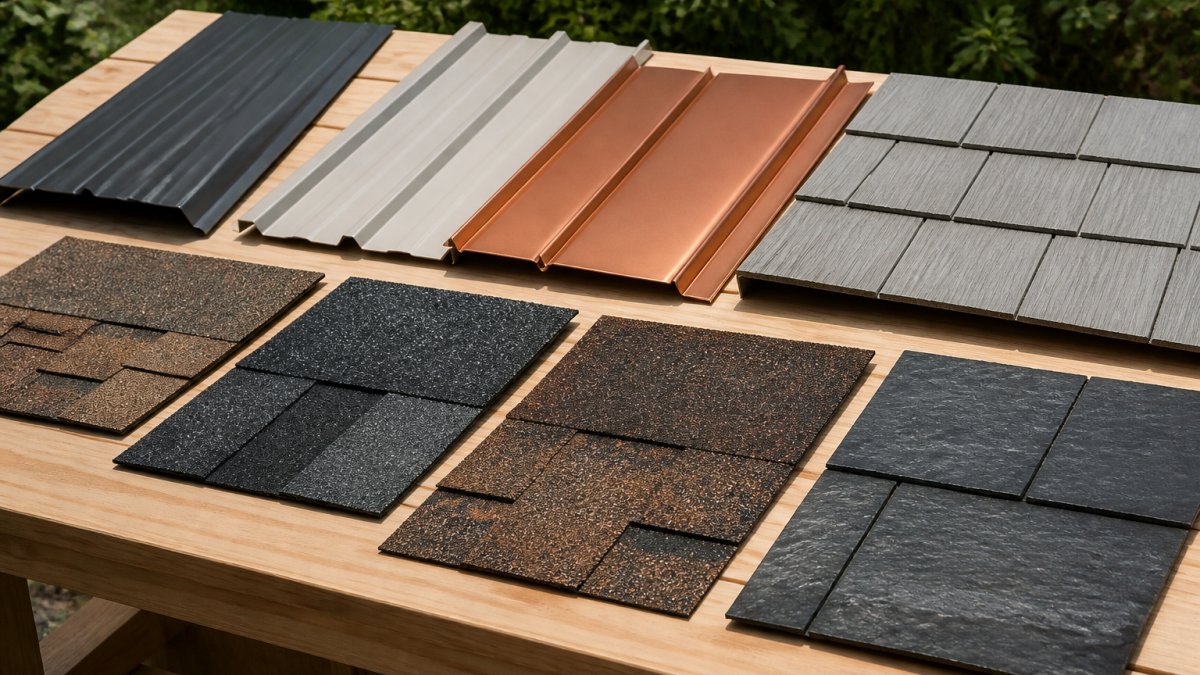
Table of Contents
- Why Roofing Material Matters for Outdoor Structures
- Best Roofing Material for a Shed
- Metal Roofing for Sheds and Pavilions
- Shed Roof Materials Pros and Cons
- Polycarbonate Roof Panels for Pergolas
- Choosing the Right Material for Your Climate and Structure Type
- Frequently Asked Questions
Last Updated: October 13, 2026
Why Roofing Material Matters for Outdoor Structures
Choosing the best roofing materials for outdoor structures is one of the most important decisions you’ll make. The roof protects everything underneath from rain, snow, UV rays, and temperature swings. Pick poorly and you’re replacing it in five years. Pick well and you might get twenty.
At Riehl Structures, we offer sheds, pavilions, pergolas, and garages. The roofing material you choose determines how long your structure lasts, how much maintenance it demands, and how it looks year after year. It’s the single biggest factor in durability.
Different materials perform differently depending on your climate, how much sun exposure your structure gets, and what kind of weather patterns hit your area. A material that thrives in one situation can fail in another. That’s why there’s no universal “best” choice, only the best choice for your specific needs.
Best Roofing Material for a Shed
When you’re building a shed, you want a material that balances cost, durability, and ease of installation. Most homeowners in the West Chester area lean toward one of three main options. Each has real trade-offs worth understanding.
Asphalt Shingles
Asphalt shingles are the most common roofing choice for sheds. They’re affordable, easy to install, and come in multiple colors to match your aesthetic. Most asphalt shingles last between 15 and 25 years with proper maintenance.
The appeal is straightforward: low upfront cost and familiar installation. Nearly every roofer knows how to work with them. You can find them at any building supply store.
But here’s what most guides miss: asphalt shingles require regular maintenance. You’ll need to inspect them annually, clear debris from gutters, and watch for curling or missing pieces. In hot climates, they deteriorate faster. In areas with heavy snow, the weight can stress the structure. They also don’t perform well in extreme temperature swings, which Pennsylvania definitely experiences.
Pros:
- Lowest initial cost among standard options
- Wide color selection available
- Simple installation and repairs
- Familiar technology, easy to find contractors
Cons:
- Requires regular maintenance and inspections
- Shorter lifespan in harsh climates
- Can curl or warp in extreme heat or cold
- Not ideal for areas with heavy snow load
Wood Shingles and Shakes
Wood shingles and shakes offer a classic, natural aesthetic that many homeowners prefer. Cedar is the most popular choice because it resists rot and insects naturally. A well-maintained wood roof can last 20 to 40 years.
The visual appeal is real. Wood ages beautifully and weathers to a silvery gray that many find attractive. It also provides better insulation than asphalt or metal.
The catch is maintenance. Wood requires regular treatment to prevent rot, insect damage, and fungal growth. You’ll need to apply sealant every few years. In humid climates or areas with significant tree cover, moss and algae growth becomes a constant battle. Wood is also more expensive upfront than asphalt and requires specialized installation.
Pros:
- Attractive natural appearance that ages well
- Good insulation properties
- Long potential lifespan with proper care
- Environmentally sustainable option
Cons:
- High maintenance requirements
- Expensive initial installation
- Vulnerable to rot, insects, and fungal growth
- Not ideal for humid or heavily shaded areas
Rubber Roofing
Rubber roofing (typically EPDM rubber) is a synthetic membrane that’s becoming more popular for sheds. It’s durable, flexible, and can last 25 to 50 years. Installation is straightforward and doesn’t require specialized skills.
Rubber roofing is particularly good for flat or low-slope roofs, which many modern sheds use. It’s also forgiving, small punctures can be patched easily without replacing the entire roof.
The downside is aesthetic. Rubber roofing doesn’t look as traditional or attractive as wood or asphalt shingles. It also requires proper installation to prevent water pooling and seam failures. Once installed, repairs can be tricky if you don’t know what you’re doing.
Pros:
- Long lifespan with minimal maintenance
- Excellent for flat or low-slope roofs
- Easy to repair small damage
- Flexible and resistant to cracking
Cons:
- Limited aesthetic appeal
- Can be damaged by UV exposure without proper coating
- Seams can fail if not installed correctly
- Not ideal for traditional-looking structures
Metal Roofing for Sheds and Pavilions
Metal roofing is gaining traction for outdoor structures, especially pavilions where the industrial look works well. Metal roofing materials include corrugated steel, aluminum, and copper. They’re incredibly durable and can last 40 to 70 years depending on the type and maintenance.
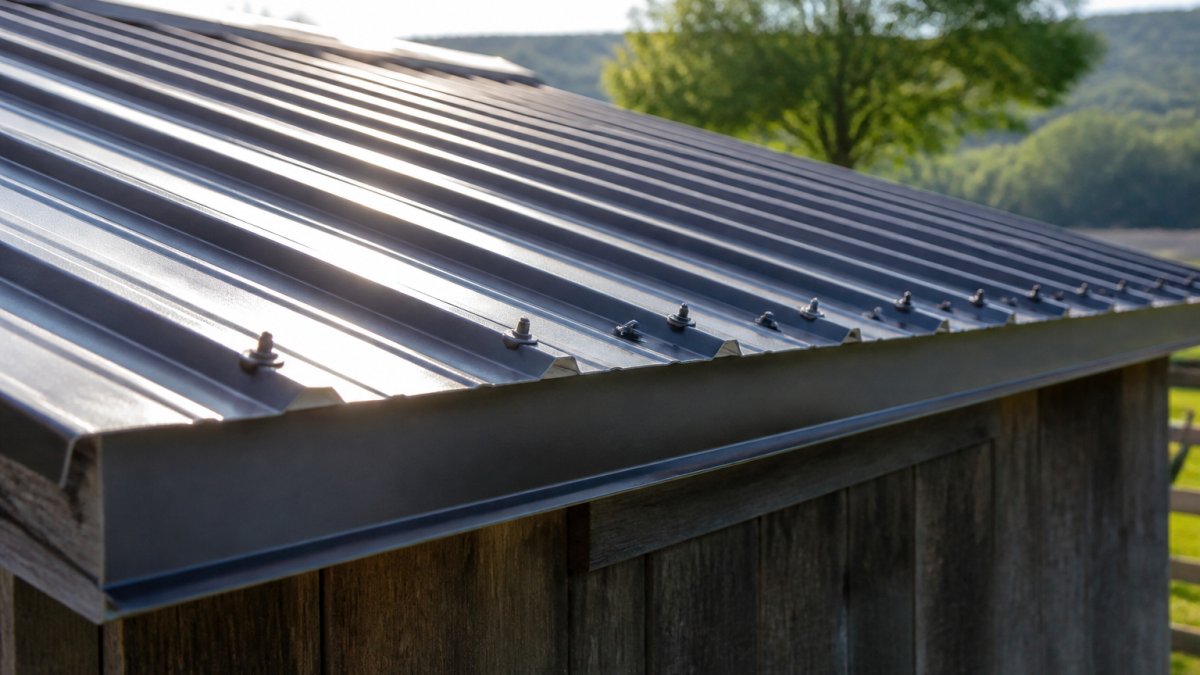
Metal roofing handles extreme weather exceptionally well. It sheds snow and rain efficiently, resists high winds, and won’t rot or attract insects. The lightweight nature means it puts less stress on the structure itself. For pavilions especially, the open-sided design means water drainage is less critical, and metal’s durability becomes a major advantage.
Installation requires more skill than asphalt or rubber, which means higher labor costs. Metal is also louder during rain unless you add sound dampening. Expansion and contraction with temperature changes can create movement and noise. The upfront cost is higher than asphalt but comparable to quality wood.
Pros:
- Exceptional durability and lifespan
- Excellent weather resistance and drainage
- Low maintenance requirements
- Lightweight and strong
- Works well for modern and rustic aesthetics
Cons:
- Higher upfront cost
- Requires skilled installation
- Can be loud during rain
- Expansion and contraction create movement
- Can dent from impact
Shed Roof Materials Pros and Cons
Here’s a quick comparison of how these materials stack up across the key factors that matter most:
| Material | Lifespan | Maintenance | Cost | Best Climate | Aesthetic |
|---|---|---|---|---|---|
| Asphalt Shingles | 15-25 years | Moderate | Low | Mild | Traditional |
| Wood Shingles | 20-40 years | High | High | Dry | Classic |
| Rubber Roofing | 25-50 years | Low | Moderate | Any | Industrial |
| Metal Roofing | 40-70 years | Low | High | Any | Modern/Rustic |
Finding the best roofing materials for outdoor structures depends on three factors: how long you want the roof to last, how much maintenance you’re willing to do, and your budget. If you want the lowest cost and don’t mind regular upkeep, asphalt is your answer. If you want to install once and forget about it for decades, metal or rubber makes sense. If aesthetics matter most and you’re willing to maintain it, wood offers beauty that other materials can’t match.
Polycarbonate Roof Panels for Pergolas
Polycarbonate roof panels are a different category altogether. They’re transparent or translucent plastic sheets that let light through while blocking UV rays. They’re popular for pergolas because they provide partial shade and weather protection without completely blocking the view of the sky.
Polycarbonate panels last 10 to 20 years. They’re lightweight, impact-resistant, and easy to install. They also provide some insulation, keeping the space underneath slightly cooler in summer.
The trade-off is that they’re not as durable as solid roofing materials. UV exposure degrades them over time, which is why quality matters, cheaper polycarbonate yellows and becomes brittle faster. They also require regular cleaning to maintain clarity. In areas with heavy snow, the weight can be problematic.
Polycarbonate works best for pergolas where you want a hybrid solution, some weather protection, some light, some shade. It’s less ideal for sheds where full protection from the elements is the priority.
Pros:
- Lets natural light through
- Impact-resistant and safe
- Lightweight and easy to install
- Good UV blocking
- Creates pleasant shaded spaces
Cons:
- Shorter lifespan than solid materials
- Yellows and degrades over time
- Requires regular cleaning
- Heavy snow load can be problematic
- Not suitable for full weather protection
Choosing the Right Material for Your Climate and Structure Type
Your local climate in the West Chester area should heavily influence your choice. Pennsylvania experiences all four seasons with significant temperature swings. Winters bring snow and ice. Summers bring humidity and UV exposure. Spring and fall bring rain and wind.
For these conditions, metal roofing and quality rubber roofing perform exceptionally well. Metal sheds snow quickly and resists the freeze-thaw cycles that damage asphalt. Rubber stays flexible in temperature swings and doesn’t crack like asphalt can. Wood requires more vigilance in our humid climate because fungal growth and rot are constant threats.
The structure type also matters. A shed needs full weather protection, so polycarbonate alone isn’t enough, you’d want it as a secondary layer or skip it entirely. A pavilion can use polycarbonate because the open sides mean water drainage isn’t critical. A garage needs maximum durability and protection, which points toward metal or high-quality asphalt.
Consider your maintenance tolerance too. If you’re hands-off and want to forget about the roof for decades, metal or rubber are your best bets. If you enjoy maintaining your property and want traditional aesthetics, wood can be rewarding. If budget is the primary concern and you’re willing to inspect regularly, asphalt works.
When you’re ready to build, Riehl Structures can help you think through these decisions. Our team can help you think through these decisions. We custom-design structures with roofing materials matched to your specific needs, climate exposure, and maintenance preferences. With flexible financing options and free delivery within 30 miles of our West Chester and King of Prussia locations, we make the process straightforward.
Choosing roofing materials for outdoor structures doesn’t have to be complicated. The right choice balances durability, maintenance, budget, and aesthetics for your specific situation. Whether you’re building a shed, pavilion, or garage, understanding how each material performs in Pennsylvania’s climate gives you confidence in your decision. At Riehl Structures, we’ve helped homeowners across the region select and install roofing. Get a quote now and let’s find the perfect material for your structure.
Frequently Asked Questions
What is the best roofing material for a shed in Pennsylvania?
The best choice depends on your priorities. Metal roofing offers superior durability and longevity in Pennsylvania’s variable weather, lasting 40-70 years with minimal maintenance. Asphalt shingles are more affordable and easier to install but typically last 15-20 years. Wood shingles provide aesthetic appeal but require regular maintenance. For maximum durability against snow, ice, and moisture, metal roofing is the top choice for most homeowners in the region.
Are polycarbonate roof panels good for outdoor structures like pergolas?
Yes, polycarbonate panels are excellent for pergolas when you want both shade and weather protection. They filter UV rays while allowing diffused light through, creating comfortable outdoor spaces. Polycarbonate is lightweight, impact-resistant, and easier to install than solid roofing. However, it offers less insulation than traditional materials and may yellow over time with extended sun exposure. They work best for structures where some light transmission is desired.
How do durability and maintenance differ between roofing materials for outdoor structures?
Metal roofing requires minimal maintenance and lasts 40-70 years. Asphalt shingles need periodic inspection and replacement every 15-20 years. Wood shingles demand regular treatment and cleaning to prevent rot and moss, lasting 20-40 years with proper care. Rubber roofing is low-maintenance and lasts 25-50 years. Polycarbonate panels need occasional cleaning but don’t require the upkeep of wood or asphalt. Choose based on how much maintenance you’re willing to invest.
What roofing material provides the best aesthetic for custom outdoor structures?
Wood shingles and shakes offer classic, natural beauty that complements traditional architecture. Metal roofing comes in multiple colors and finishes for a modern or rustic look. Asphalt shingles blend with most home styles and come in various colors. Polycarbonate panels provide a contemporary appearance with transparency. For Amish-built structures, wood and metal options align with traditional craftsmanship and design principles. Your choice should complement your home’s architecture and personal style preferences.

Copy Link