Backyard Pavilion: A Complete 2026 Guide
Copy Link
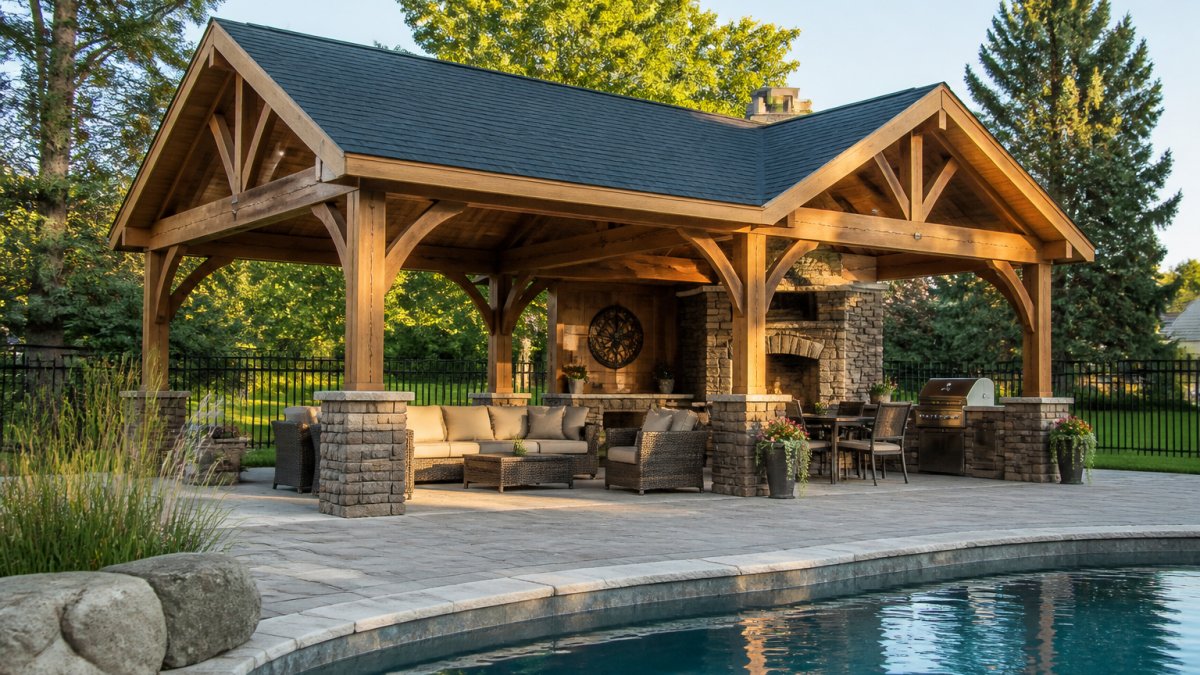
Table of Contents
- What Is a Backyard Pavilion and Why Homeowners Choose Them
- Pavilion vs Pergola: Understanding the Key Differences
- Pavilion Size Guide: Choosing the Right Dimensions
- Materials and Styles for Your Backyard Pavilion
- Backyard Pavilion Cost: What to Budget
- Adding Privacy to Your Pavilion with Walls and Screens
- Installation, Permits, and Long-Term Maintenance
- Frequently Asked Questions
Last Updated: October 10, 2026
What Is a Backyard Pavilion and Why Homeowners Choose Them
A backyard pavilion is a freestanding outdoor structure with a roof and open sides, designed to provide shelter and shade for outdoor gatherings. Unlike a gazebo, which is typically octagonal and more decorative, a pavilion offers a practical, rectangular or square design that maximizes usable space. Homeowners choose backyard pavilions because they extend living space, create comfortable gathering areas, and add significant value to a property.
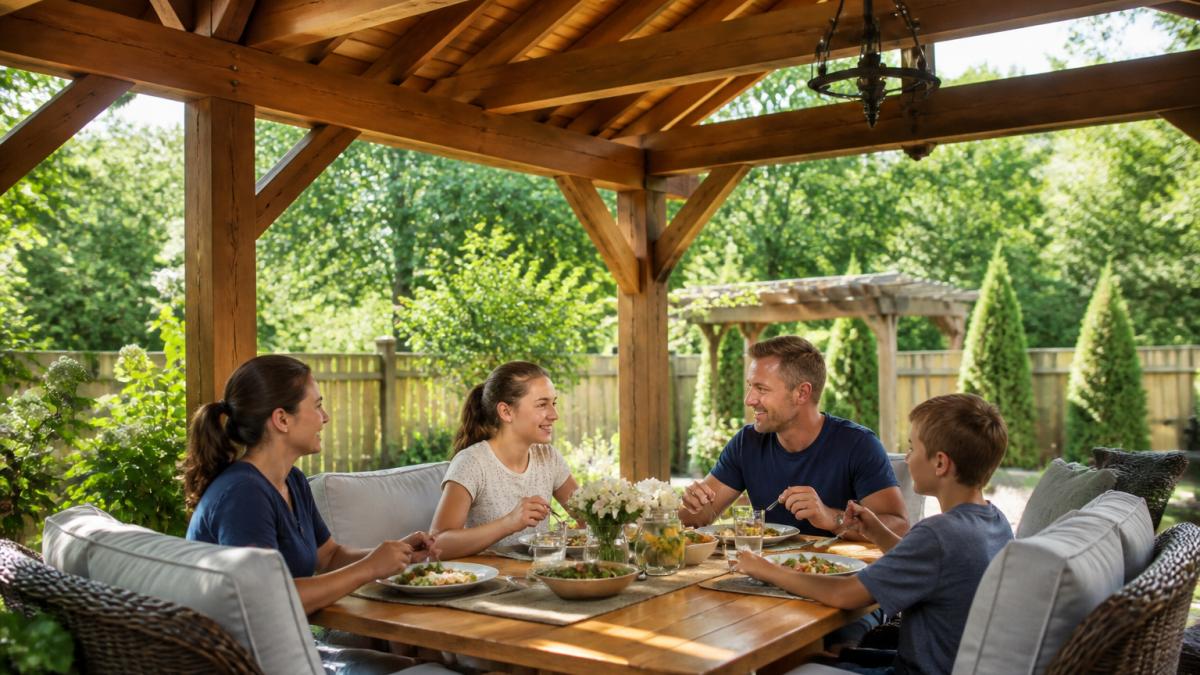
The appeal of a backyard pavilion goes beyond aesthetics. It solves a real problem: how to enjoy outdoor space without being exposed to harsh sun, sudden rain, or insects. Whether you’re hosting a summer barbecue, creating a quiet reading retreat, or setting up an outdoor kitchen, a pavilion gives you the flexibility to use your yard year-round. At Riehl Structures, we’ve helped West Chester and Chester County homeowners design pavilions that fit their exact needs.
A well-designed pavilion becomes the centerpiece of backyard entertaining. It protects guests from weather while maintaining the openness of outdoor living. The structure can accommodate dining areas, lounging spaces, or even a bar setup. Most homeowners find that once they add a pavilion, they use their backyard significantly more often.
The best pavilion size balances your available yard space with the number of people you typically entertain.
Pavilion vs Pergola: Understanding the Key Differences
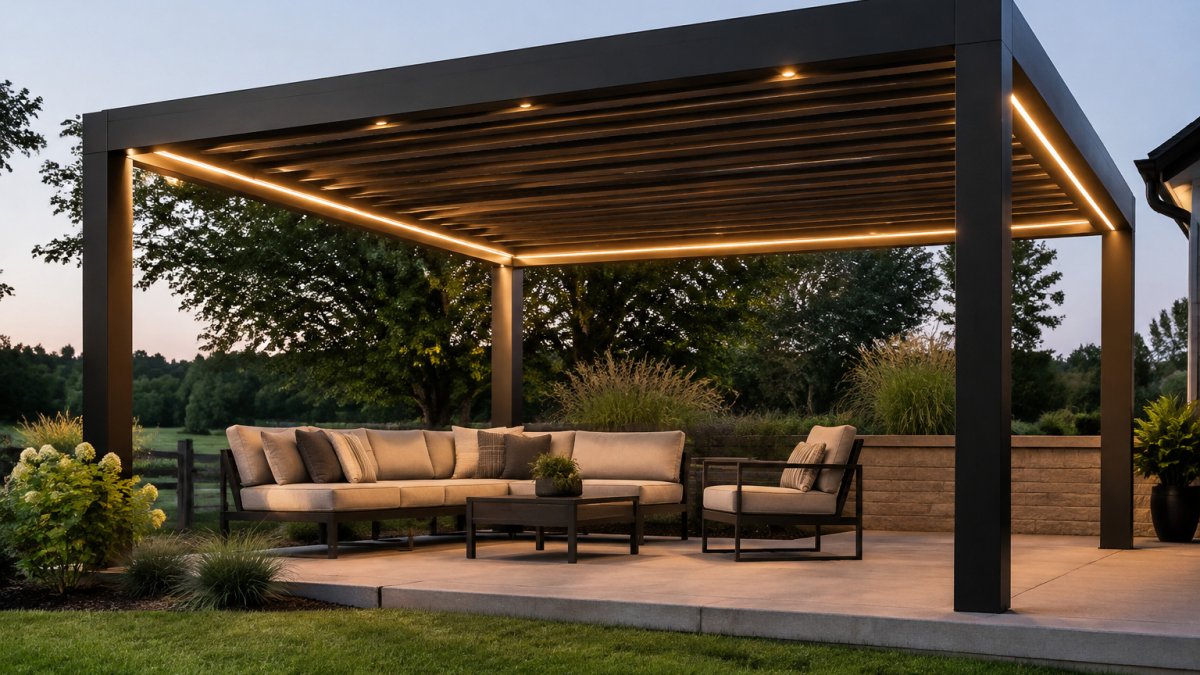
Many homeowners confuse pavilions with pergolas, but the distinction matters for both function and cost. A pergola is an open-roof structure with latticed beams that provide partial shade and a decorative garden feature. A backyard pavilion, by contrast, has a solid roof that delivers full weather protection.
The key differences come down to coverage and purpose. Pergolas allow dappled sunlight through their open slats, creating a semi-shaded environment ideal for climbing vines and ornamental plants. They’re excellent for defining spaces or adding architectural interest but won’t keep you dry during rain. Pavilions provide complete shelter from sun and precipitation, making them suitable for dining, entertaining, and outdoor activities regardless of weather.
Cost also differs significantly. Pergolas typically require less material and labor, making them a budget-friendly option for those prioritizing aesthetics. Pavilions demand more structural engineering and roofing materials, reflecting their greater functionality and durability. If you need a space where you can reliably host guests without worrying about weather, a pavilion is the practical choice.
Choose a pergola if you want an attractive garden accent with partial shade. Choose a pavilion if you need reliable weather protection for entertaining and outdoor living.
Pavilion Size Guide: Choosing the Right Dimensions
Getting the size right is one of the most important decisions when planning a backyard pavilion. Too small, and your structure feels cramped; too large, and it overwhelms your yard. The pavilion size guide starts with understanding how you’ll use the space.
For intimate gatherings, a 10×12 pavilion works well. If you regularly entertain, step up to 12×16 or 14×16.
Larger properties can support 16×20 or even 20×24 pavilions. Consider your lot’s slope and existing features too. At Riehl Structures, we assess each West Chester property individually because yard layout, tree placement, and setback requirements all influence the ideal pavilion dimensions.
A practical approach is to mark out your proposed pavilion size with rope or garden hose before committing. Walk around it, imagine furniture placement, and observe how it relates to your home and landscape. This helps confirm whether your chosen dimensions feel right.
| Pavilion Size | Best For | Typical Guest Count |
|---|---|---|
| 10×12 | Small gatherings, intimate dining | 4-6 people |
| 12×16 | Regular entertaining, family meals | 8-12 people |
| 14×20 | Larger gatherings, multiple zones | 12-16 people |
| 16×20+ | Frequent entertaining, entertainment zones | 16+ people |
Materials and Styles for Your Backyard Pavilion
The material you choose for your backyard pavilion determines its appearance, durability, and maintenance requirements. Wood remains the most popular choice for residential pavilions because it offers natural beauty, warmth, and the flexibility to customize designs. Pressure-treated lumber resists rot and insects, making it ideal for outdoor structures that face Pennsylvania weather (Guidelines for the selection and use of pressure-treated wood).
Cedar and redwood are premium wood options that offer natural resistance to decay and age beautifully over time. They cost more upfront but require less chemical treatment and develop an attractive silver-gray patina. Many West Chester homeowners prefer these materials for their aesthetic appeal and longevity.
Metal and vinyl pavilions are growing in popularity. Aluminum structures are lightweight, require minimal maintenance, and resist rust. Vinyl offers clean lines and contemporary styling with virtually no upkeep. However, these materials may not blend as naturally with traditional residential landscapes.
The style of your pavilion should complement your home’s architecture. A craftsman-style home pairs well with wood pavilions featuring exposed beams and decorative brackets. Modern homes suit clean-lined designs with minimal ornamentation. Colonial and traditional homes often benefit from pavilions with gable roofs and detailed trim work.
Backyard Pavilion Cost: What to Budget
Understanding backyard pavilion cost helps you plan realistically and avoid budget surprises. Several factors influence pricing: size, materials, roof style, site preparation, and customization features. Integrating these structural elements often serves as the foundation for designing backyard kitchens that extend the functionality of your outdoor living space.
Pricing depends on size, materials, roof style, site preparation, and customization features. Site preparation matters too. If your yard is level and accessible, installation is straightforward. Sloped terrain, poor drainage, or difficult access adds preparation expenses.
At Riehl Structures, we offer flexible financing options including rent-to-own arrangements with no prepayment penalties and no home equity required. This makes it easier for West Chester homeowners to invest in quality outdoor structures without straining their budget. Many customers find that spreading payments over time is more manageable than a large upfront expense.
Additional features like electrical wiring for lighting, ceiling fans, or integrated seating raise the total investment but add tremendous functionality and enjoyment. Consider what matters most for your lifestyle and entertaining needs.
Adding Privacy to Your Pavilion with Walls and Screens
While open-sided pavilions are traditional, many homeowners want to add privacy and wind protection. This is where pavilion with privacy wall options come into play. Partial walls, screens, or lattice panels can enclose one or two sides without blocking the open, airy feeling.
Solid walls constructed from wood or composite materials create complete privacy and wind barriers. They work especially well on the side facing neighboring properties or streets. Partial walls that extend partway up the pavilion structure offer a compromise, providing privacy at eye level while maintaining visual openness above.
Lattice screens and slatted panels allow air circulation while creating visual separation. Climbing vines can transform these screens into living walls that soften the structure’s appearance. Removable or adjustable panels give you flexibility to adapt the pavilion seasonally.
The choice depends on your specific needs. If privacy from neighbors is paramount, solid walls are most effective. If you want to reduce wind exposure while maintaining the open-air feel, slatted screens work well. At Riehl Structures, we design privacy solutions that balance your needs with the pavilion’s visual appeal.
Installation, Permits, and Long-Term Maintenance
Installing a backyard pavilion involves more than simply setting posts and attaching a roof. Proper installation ensures structural integrity and longevity. Site preparation is critical. The ground must be level or properly graded, and the foundation must be solid. Many installers use concrete footings that extend below the frost line.
Local permits are often required for pavilion construction. Building codes vary by township and county, so check with your local building department before starting. Permit requirements typically address setback distances from property lines, height restrictions, and structural standards. At Riehl Structures, we’re familiar with West Chester and Chester County requirements and can guide you through the process.
Long-term maintenance keeps your pavilion looking good and functioning well. Wood structures need periodic staining or sealing every 2-3 years to protect against weather damage. Metal roofs require occasional cleaning and inspection for corrosion. Vinyl structures are lower-maintenance but still benefit from annual cleaning.
Regular inspections catch problems early. Look for signs of rot in wood, rust on metal components, and damage to roofing. Address issues promptly to prevent expensive repairs down the road.
According to the National Association of Home Builders, properly maintained outdoor structures can last 20-30 years or longer. The investment in quality construction and regular care pays dividends over time.
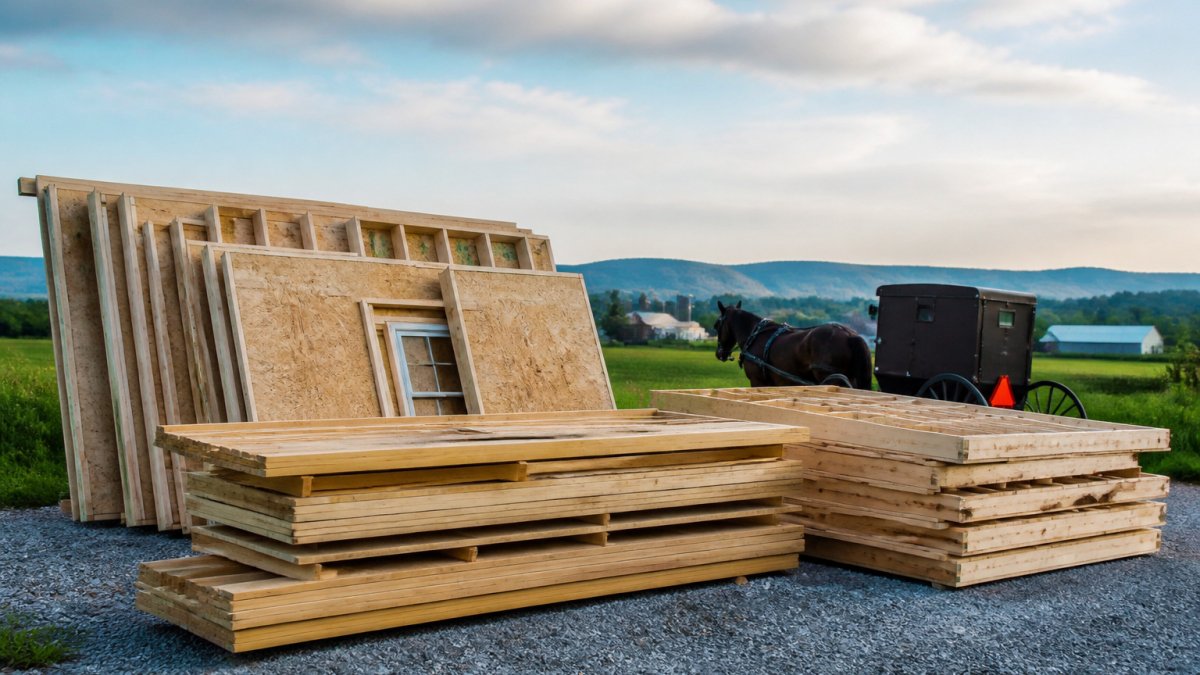
A backyard pavilion transforms how you use outdoor space, creating a comfortable gathering place for family and friends. Whether you’re entertaining regularly or simply want a shaded retreat, the right pavilion design enhances your home’s value and your quality of life. At Riehl Structures in West Chester, we specialize in custom-designed pavilions built with Amish craftsmanship and attention to detail. Our flexible financing options and free delivery within 30 miles make it easy to add this valuable outdoor structure to your property. Get a quote now and discover how a quality pavilion can make your backyard the heart of your home.
Frequently Asked Questions
What is the difference between a pavilion, pergola, and gazebo?
A pavilion provides full overhead coverage with a solid roof, offering complete weather protection. A pergola has an open lattice or slatted roof that filters sunlight but allows rain through. A gazebo is a freestanding structure, typically octagonal, with a roof and often partial walls. For backyards where you need reliable shelter from rain and sun, a pavilion is the practical choice. Pergolas work best for partial shade and decorative appeal. Gazebos suit smaller yards and add architectural interest.
How much does a backyard pavilion cost?
Backyard pavilion pricing depends on size, materials, customization, and whether professional installation is included. Wood pavilions typically cost more upfront but offer durability and aesthetic appeal. Metal or vinyl options may have different price points. Site preparation, foundation work, and delivery also affect total cost. For accurate pricing tailored to your specific needs and location, contact Riehl Structures for a custom quote, there are no prepayment penalties and flexible financing options are available.
What size pavilion do I need for my backyard?
Size depends on how you plan to use the space. A 10×12-foot pavilion suits small gatherings and intimate dining. A 12×16-foot size works well for larger families and entertaining. For frequent hosting or commercial use, 16×20 feet or larger provides ample coverage. Consider your yard’s slope and layout. Riehl Structures can assess your property and recommend dimensions that fit both your space and lifestyle.
Can a backyard pavilion have privacy walls or screens?
Yes. Privacy walls, screens, or partial enclosures transform a pavilion into a more sheltered outdoor room. Options include solid wood panels for complete privacy, lattice screens for filtered views, or removable panels for flexibility. These additions protect from wind and create defined spaces for dining or relaxation. Custom designs allow you to add privacy walls to one or more sides while maintaining the open-air feel. Discuss your privacy needs with Riehl Structures during the design phase to find the right solution.

Copy Link