Backyard Greenhouse Guide: Types, Setup & Buying Tips
Copy Link
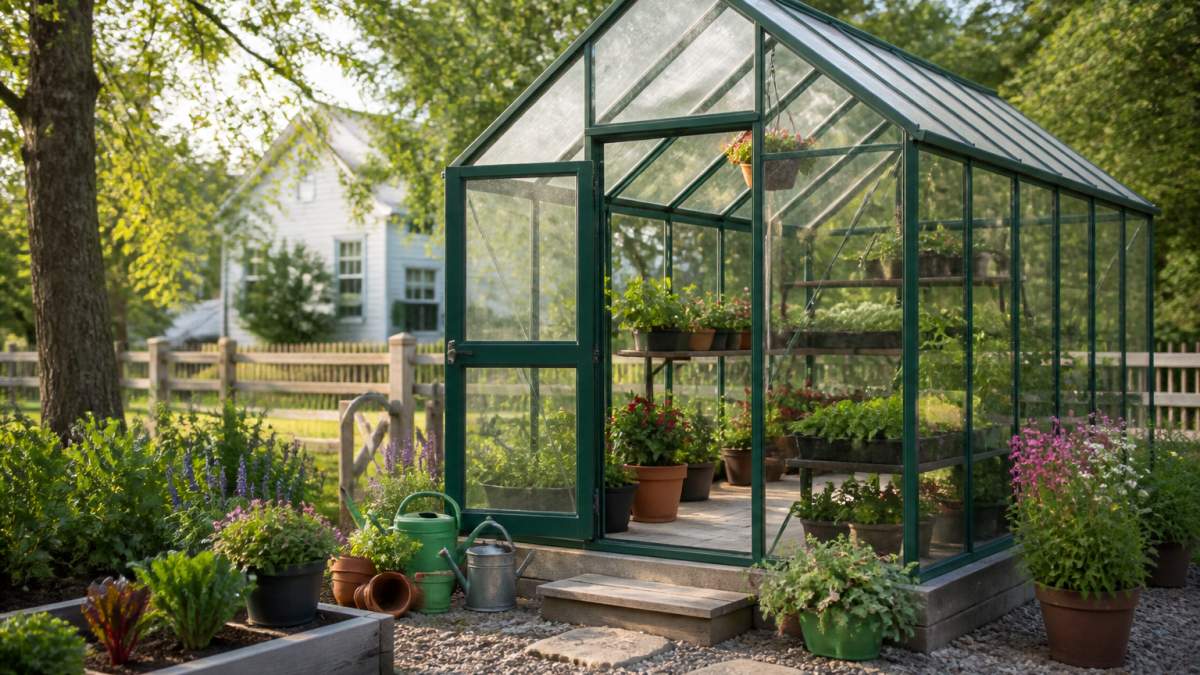
Table of Contents
- Backyard Greenhouse Basics: What Pennsylvania Gardeners Need to Know
- Types of Backyard Greenhouses: Which Style Fits Your Yard?
- Materials and Construction: What Holds Up in a Chester County Winter
- Amish-Built Greenhouses in Chester County: Craftsmanship That Lasts
- Greenhouse Foundation Requirements in PA: What You Need Before Setup
- Backyard Greenhouse Financing Options: Making Your Project Affordable
- Buyer’s Guide: How to Choose the Right Backyard Greenhouse
- Conclusion
- Frequently Asked Questions
Last Updated: October 3, 2026
Backyard Greenhouse Basics: What Pennsylvania Gardeners Need to Know
A backyard greenhouse is a structure that extends your growing season by capturing heat and protecting plants from frost, wind, and pests. For gardeners in West Chester and across Chester County, where the last spring frost typically arrives in mid-to-late April and the first fall freeze can hit by mid-October, that protection translates to weeks of extra growing time on both ends of the season.
Here’s the reality most guides skip: a greenhouse isn’t a single product category. It’s a range of structures, from a low cold frame you kneel beside to a permanent, glass-paneled building with its own foundation. Choosing the wrong type for your yard, your budget, and your goals is a common and expensive mistake.
This guide from Riehl Structures breaks down the types, materials, foundation requirements, and financing options so you can choose with confidence.
The single most important decision isn’t the material or the brand. It’s matching the structure type to how you actually garden. A cold frame for seed starting is a different purchase than a walk-in greenhouse for year-round growing.
Types of Backyard Greenhouses: Which Style Fits Your Yard?
The right greenhouse type depends on three factors: how much space you have, how much you want to spend, and whether you need to walk inside. Here’s how the main categories compare.
| Type | Walk-In? | Season Extension | Best For |
|---|---|---|---|
| Cold frame | No | 4-6 weeks | Seed hardening, low crops |
| Hoop house | Yes | 6-10 weeks | Season extension, budget |
| Freestanding greenhouse | Yes | Year-round | Serious growing, full control |
| Attached greenhouse | Yes | Year-round | Home access, shared utilities |
Freestanding vs. Attached Greenhouses
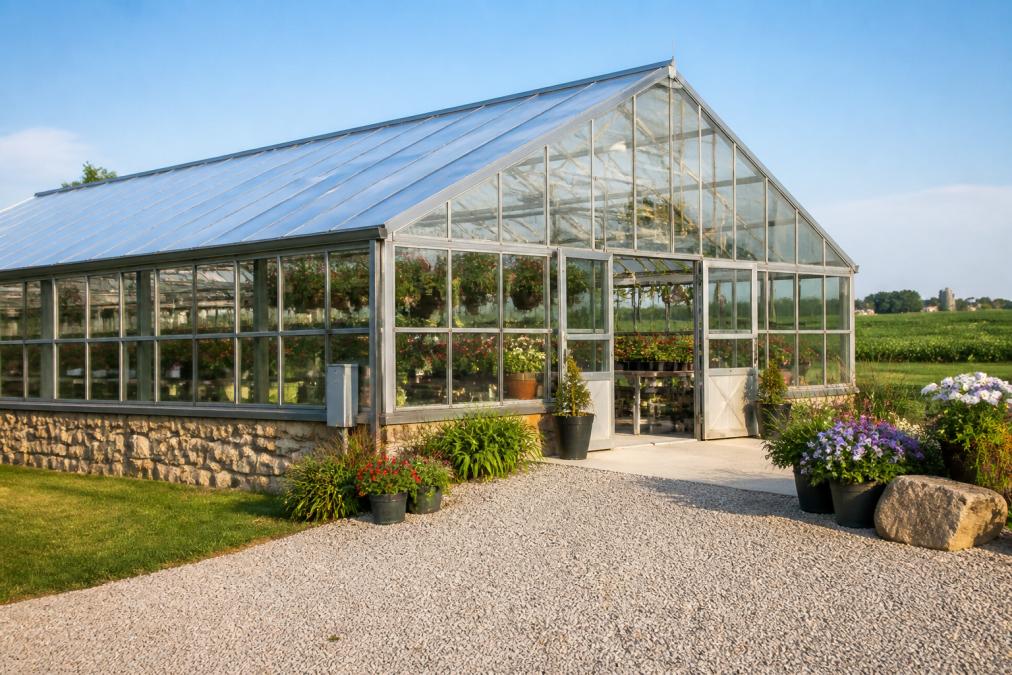
A freestanding greenhouse sits independently on your property, which gives you full control over placement, sun exposure, and size. It’s the better choice when your home’s orientation doesn’t offer good southern light, or when you want room to expand later.
An attached greenhouse shares a wall with your house or garage. The advantages are real: you can run water and power from the house, and you don’t have to walk across the yard in January. The trade-off is that you’re locked into the existing wall’s orientation and any structural quirks.
Cold Frames, Hoop Houses, and Full Structures
A cold frame is a bottomless box with a transparent top, usually set directly on soil. It’s the simplest and least expensive way to extend your season. Many Chester County gardeners use cold frames for hardening off seedlings before transplanting.
A hoop house uses a frame of bent pipe or PVC covered in plastic film. It’s a middle ground: walk-in height, moderate cost, and effective season extension. The plastic covering typically needs replacing every few years, which is a maintenance cost to plan for.
A full greenhouse uses glass or polycarbonate panels in a rigid frame. It’s the most durable and the most expensive option, but it’s also the only one that supports genuine year-round growing in our climate.
Materials and Construction: What Holds Up in a Chester County Winter
Chester County winters bring freeze-thaw cycles, wet snow, and occasional ice storms. The material that holds up here isn’t always the cheapest option, and it’s rarely the one that looks best in a catalog photo.
Frame materials come down to three realistic choices. Aluminum won’t rot or rust and handles snow load well, but it conducts cold. Wood offers better insulation and a traditional look, and it’s the material most Amish-built greenhouses use. Steel is the strongest but the heaviest and most expensive.
For glazing, polycarbonate panels resist impact and insulate better than glass, which matters when hail or a falling branch is a real possibility. Glass offers the clearest light transmission and the longest lifespan, but it’s heavier and requires a stronger frame.
The most common mistake we see is buying a greenhouse rated for a milder climate. A structure that performs fine in a Zone 6 winter can fail under a Chester County snow load. Always check the snow load rating before you buy.
Amish-Built Greenhouses in Chester County: Craftsmanship That Lasts
Amish-built greenhouses Chester County buyers choose are typically constructed with wood frames and hand-fitted joinery, and the difference shows up years later, not on day one. The appeal isn’t nostalgia. It’s that a well-built wooden structure can be repaired and maintained rather than replaced.
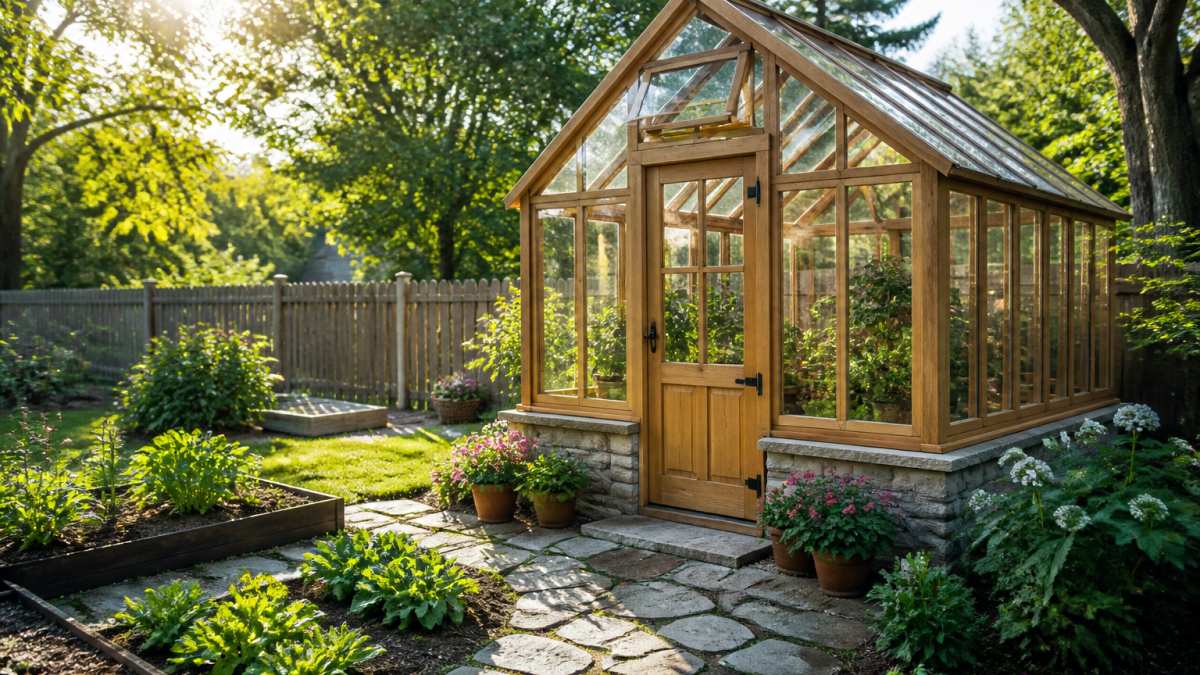
What separates a structure that lasts 30 years from one that lasts five comes down to a few unglamorous details: the quality of the lumber, how the frame is fastened, and whether the foundation was built to match the structure’s weight. Cheap greenhouses cut corners on all three. Investing in robust materials ensures your greenhouse remains a reliable sanctuary for your plants, much like how selecting the right essential gardening tools simplifies the ongoing maintenance of your soil and crops.
At Riehl Structures, our greenhouses are Amish-built and custom-designed to fit your space and your growing goals. We’ve been a family-owned business for over 30 years, and we handle delivery and setup within 30 miles of our West Chester and King of Prussia locations.
Greenhouse Foundation Requirements in PA: What You Need Before Setup
Greenhouse foundation requirements PA homeowners need to understand start with frost depth. In this region, footings typically need to extend below the local frost line to prevent heaving, and that depth varies by township and soil conditions.
There are three foundation types to consider. A ground anchor system works for lightweight hoop houses and cold frames. A gravel pad suits smaller freestanding structures. A concrete or masonry foundation is the right call for a permanent, full-size greenhouse, and it’s what we recommend for any structure you intend to keep for decades.
Permit rules vary by municipality. Some Chester County townships require a permit for any structure over a certain square footage, while others exempt agricultural or accessory structures. Check with your township before you order, and ask your builder whether they handle the paperwork.
Before you commit to a spot, watch how sunlight moves across your yard for a full day. A location that looks sunny in the morning can be shaded by 2 p.m., which cuts your greenhouse’s effectiveness dramatically. South-facing with good eastern exposure is the goal.
Backyard Greenhouse Financing Options: Making Your Project Affordable
Backyard greenhouse financing options range from paying in full to rent-to-own arrangements, and the right choice depends on how quickly you want to build and how you feel about monthly payments.
Traditional financing options often require a home equity loan or a personal loan, both of which involve credit checks and, in the case of home equity, putting your house on the line. Rent-to-own programs work differently: no home equity is required, and approval is typically faster.
The catch with rent-to-own is that the total cost over the full term can exceed the sticker price. That’s why the terms matter more than the monthly number. Look for programs without prepayment penalties so you can pay off early and avoid the extra cost.
Riehl Structures offers flexible financing including Rent to Own, with no prepayment penalties and no home equity required. You can pay the balance off early without a penalty.
| Financing Path | Home Equity Needed | Prepayment Penalty | Best For |
|---|---|---|---|
| Pay in full | No | N/A | Buyers with savings ready |
| Personal loan | No | Varies | Good credit, fast approval |
| Home equity loan | Yes | Varies | Large projects, low rates |
| Rent to Own | No | None with Riehl | Buyers who want to start now |
Buyer’s Guide: How to Choose the Right Backyard Greenhouse
Choosing the right backyard greenhouse comes down to working backward from how you garden, not forward from what looks good online. Answer these questions before you shop.
- How many seasons do you want to grow? (One extra season = cold frame or hoop house; year-round = full greenhouse)
- Do you need to walk inside, or just reach in?
- What’s your snow load and wind exposure?
- Does your township require a permit?
- Is your yard level, or will you need site prep?
- Do you want to pay in full or finance?
- Will you need to expand in a few years?
That last question matters more than most buyers expect. A greenhouse that’s too small in year one becomes a frustrating limitation by year three. Buying the right size the first time is cheaper than replacing it.
If you’re comparing local builders, ask about references from customers who’ve owned their structures for several years. A structure that’s been through five Chester County winters tells you more than any showroom display.
Conclusion
Choosing a backyard greenhouse in West Chester means balancing structure type, materials, foundation, and budget against how you actually garden. Get that match right, and you’ll be growing weeks earlier and weeks later than your neighbors.
Riehl Structures builds custom, Amish-made greenhouses designed for our climate, with flexible Rent to Own financing that requires no home equity and carries no prepayment penalty. We deliver and set up free within 30 miles of our West Chester and King of Prussia locations, so your structure arrives ready to use, not sitting in the driveway.
Get a quote now and start planning the growing season you’ve been putting off.
Frequently Asked Questions
Do I need a permit for a backyard greenhouse in West Chester, PA?
Permit requirements vary by township and depend on the greenhouse’s size, height, and whether it’s on a permanent foundation. In many Pennsylvania municipalities, structures under a certain square footage may be exempt, but it’s best to check with your local zoning office. Riehl Structures can guide you through the process and provide documentation to help with your application.
What foundation is required for a backyard greenhouse?
Most backyard greenhouses need a level, well-drained foundation. Options include a poured concrete slab, gravel pad, or pressure-treated wood frame. In PA, frost depth can reach 30-36 inches, so permanent foundations should extend below the frost line to prevent shifting. Riehl Structures can advise on the best foundation type for your site and greenhouse model.
Can a greenhouse be used year-round in Chester County?
Yes, with the right design. A greenhouse with insulated walls, a double-layer polycarbonate roof, and a heat source can stay productive through Pennsylvania winters. Cold-hardy crops like kale, spinach, and carrots thrive. Ventilation and humidity control are key to preventing mold. Many Chester County gardeners extend their growing season by several months using these features.
How does a custom-designed greenhouse add value to my home?
A custom greenhouse can increase your home’s appeal to buyers who value sustainable living and outdoor spaces. It also provides a dedicated area for gardening, which can reduce grocery costs over time. While appraisers may not assign a specific dollar value, a well-built structure enhances your property’s overall functionality and aesthetic. Riehl Structures offers custom designs to match your home’s style.

Copy Link